Podcast in English
Text size
Bulgarian National Radio © 2025 All Rights Reserved

"Strasbourg Calling" MEP Ilia Lazarov: There is no reason for inflation to occur in Bulgaria

"The example of Croatia is very important, because at the same time when there was inflation after the adoption of the euro in Croatia, in neighboring Hungary, where the forint remained and the euro was not adopted, there was higher inflation, which means that this inflation at that time was not a result of Croatia entering the eurozone, but of macroeconomic indicators and it was reflected much worse where the euro was not adopted, in this case Hungary, so this example cannot be given for Bulgaria." 

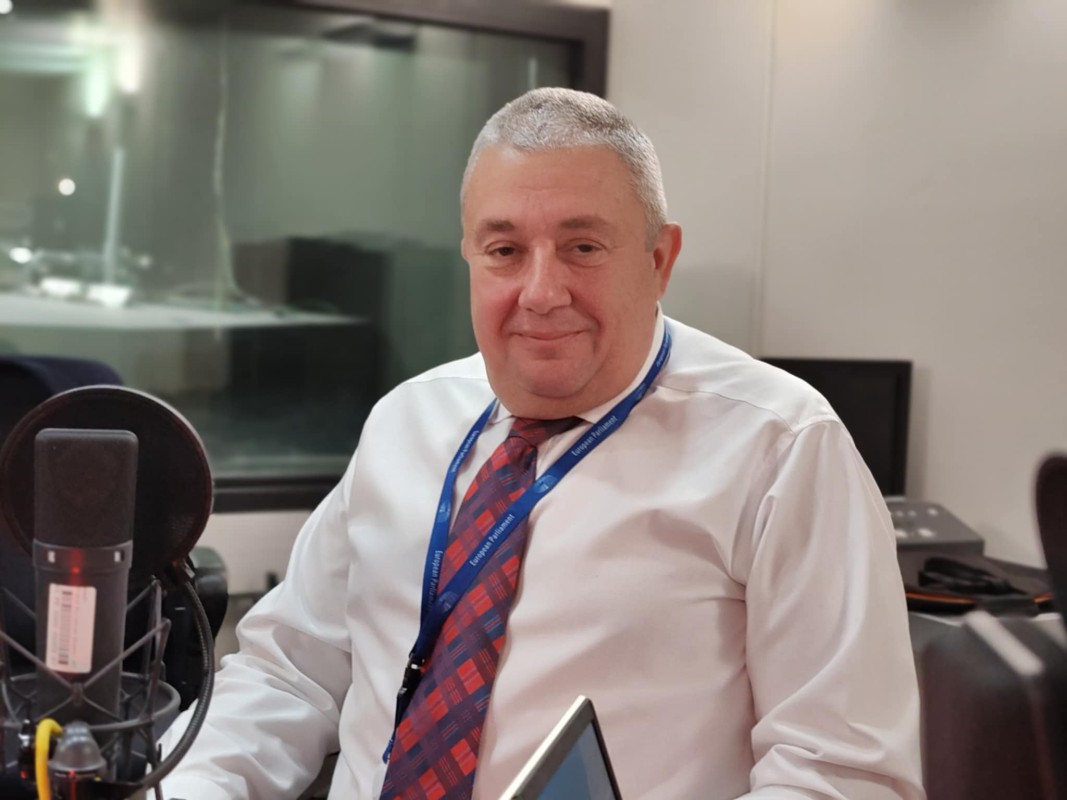
This was stated to the Bulgarian National Radio by MEP Ilia Lazarov from the EPP in an interview from the European Parliament in Strasbourg for BNR's programme "Strasbourg Calling" hosted by Irina Nedeva and Angelina Piskova.

"There is no reason for inflation to occur in Bulgaria, except for these 5 stotinki from 1.95, because everyone will round it to 2, at least most traders, that is, this is equivalent to 2.5% real inflation. The rest will be a matter of the attempt of one or another trader to make more profit, which the market itself will regulate", Lazarov said.

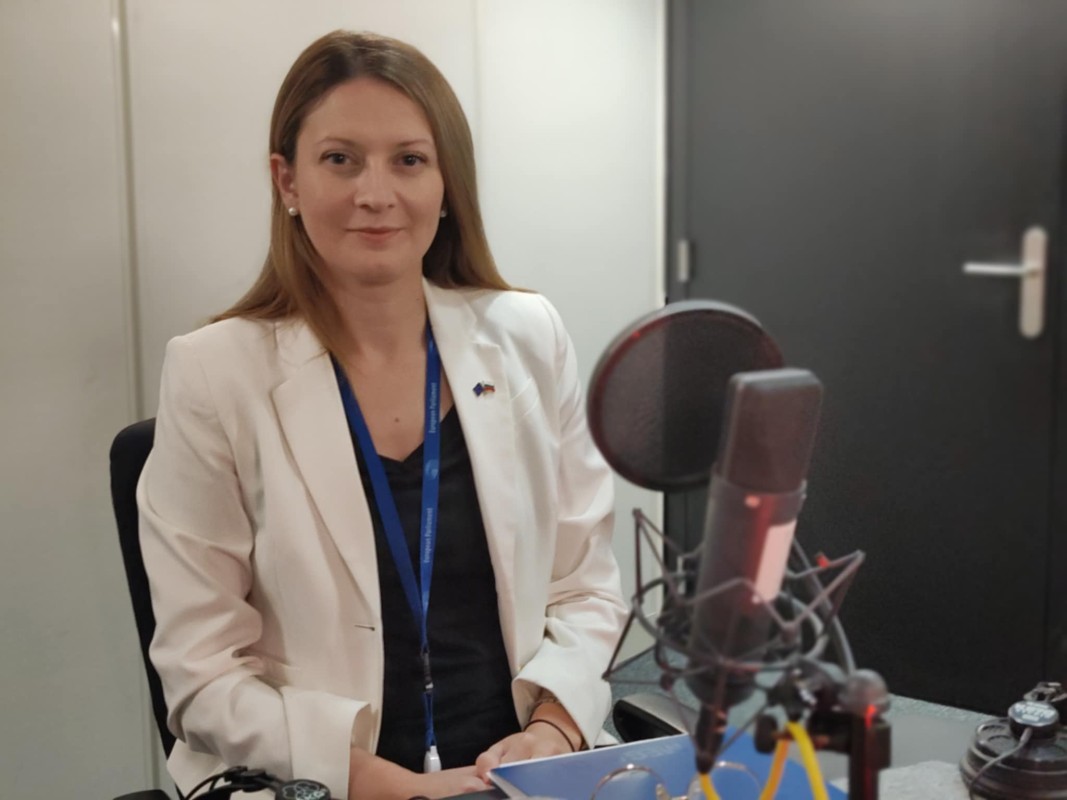
"Since 2022, serious price increases have been observed throughout Europe due to mainly external factors, which are the war, the energy crisis and the Covid crisis, which led to a fairly serious disruption of the supply chain, that is, all the precedents that could happen to increase prices within our union, unfortunately, happened almost simultaneously. From now on, very serious measures must be taken to combat speculation, but inflation itself is not a result of the eurozone." This is what MEP Tsvetelina Penkova from the Progressive Alliance of Socialists and Democrats told the BNR:


"The data still shows that the highest inflation as a result of a country joining the eurozone was recorded in Italy. It was 0.6%. There is no other macroeconomic data that would lead to a higher increase at this stage," Penkova added.

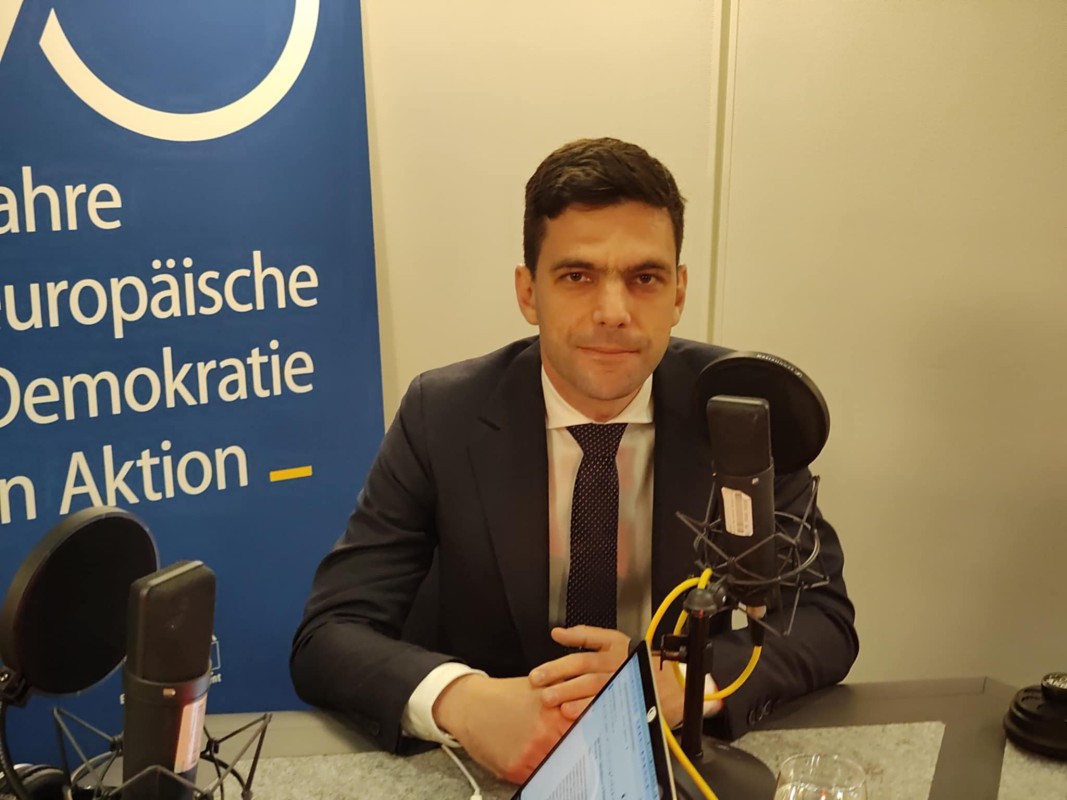
"Let's not forget that Croatia really entered the eurozone in 2023, that is, exactly the year after the outbreak of the war in Ukraine, and then inflation was indeed widespread, but it has nothing to do with membership nor the eurozone," commented MEP Nikola Minchev from "Renew Europe":


"In fact, according to Eurostat data, the inflation index in Croatia, added by entering the eurozone, is measured between 0.04% and 0.2%, which is a very minimal and negligible value. This inflation in their case started in 2022 after the outbreak of the war in Ukraine, and it has nothing to do with membership in the eurozone."


English publication: Rositsa Petkova
Photos: Irina Nedeva


Последвайте ни и в Google News Showcase, за да научите най-важното от деня!
Listen to the daily news from Bulgaria presented in "Bulgaria Today" podcast, available in Spotify.

More from category

European and Bulgarian businesses to meet with the Bulgarian Stock Exchange in Sofia

The Bulgarian Stock Exchange (BSE) will participate in the event "EU-Chambers Business Chill with the Bulgarian Stock Exchange," according to a post by the BSE on Facebook. The event is being organised by the Hungarian-Bulgarian Chamber of..

published on 11/19/25 8:15 AM

New business club works to promote Bulgarian entrepreneurs in Berlin

Under the name BGBizHub, Bulgarian entrepreneurs in Berlin have joined forces to promote and develop their businesses in Germany. "Like any other business, not only in Berlin or in Bulgaria, we currently face several problems -..

published on 11/18/25 4:20 PM

Bulgarians spend nearly 30% of their budgets on food

Bulgarians are consuming less bread, cheese and vegetables, but more fruit, according to the latest data from the National Statistical Institute on household consumption in the third quarter of 2025, compared to the same period last year...

published on 11/17/25 11:52 AM