The 137th anniversary of Bulgaria’s Liberation was a good occasion for the unveiling of a numismatic exhibition, named Before Bulgarian Lev /Unseen Coins/ at the Museum for History of Sofia. Some of the samples were shown to the public for a first time.
“This year we mark the 135th anniversary since the beginning of coinage after the Liberation,” says Director of the Museum Dr. Nadezhda Kirova-Yovcheva. “In fact the best thing we show, not seen before, is the trial coin that never actually entered into circulation. We are talking about the centime here. It reflected the struggle between two different groups of MPs back then, who wandered between a pro-Western currency and one, related to our national identity.”
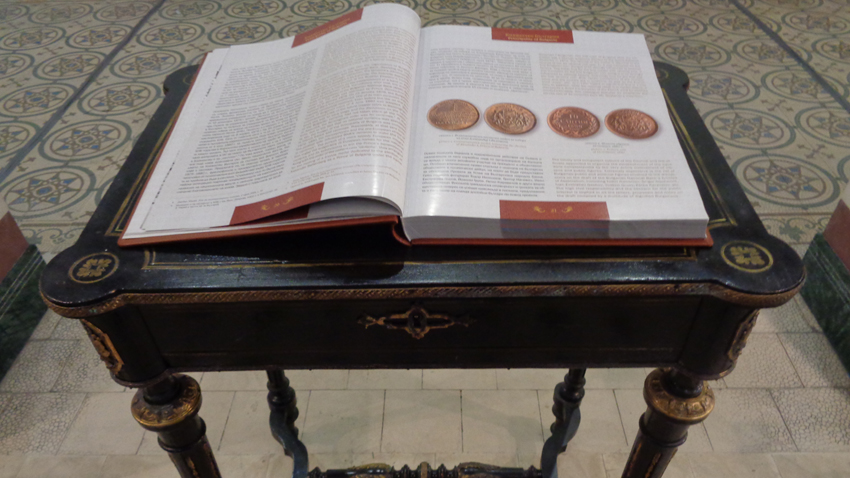
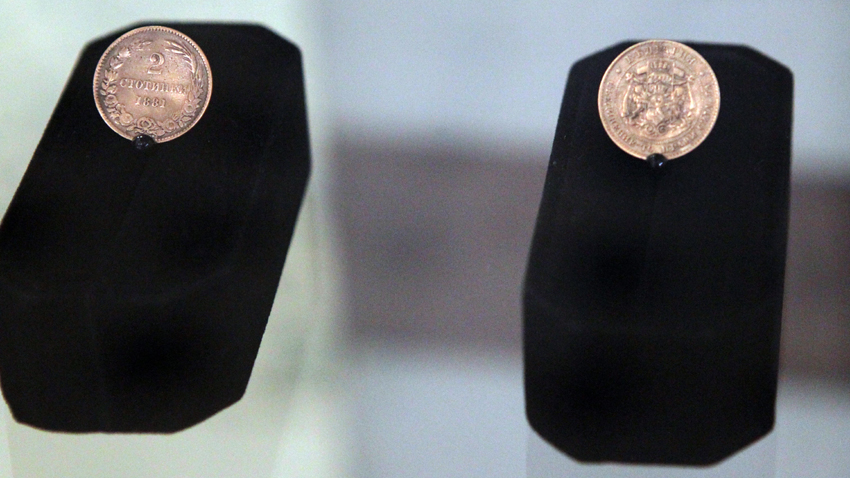
The debate was whether the coin would be the centime, coming from the French franc, or else. Luckily, the majority of the MPs opted for the lev as a national currency. The lev /lion/ name came from the majestic lion – an ancient heraldic symbol of Bulgaria. As far as the 10 centime coin, cut in 1880, is concerned, it is extremely rare. It is considered to be the predecessor of the lev /1/100 of it/. The initial copper coins were cut by a Birmingham company and those entered into circulation in 1881.
“We see a rare example of how Bulgaria literally resurrected out of nothing in the years right after the Liberation,” Deputy Mayor of Sofia Municipality Todor Chobanov points out. “The main institutions were established in really short terms, even from the modern point of view. They had laws and regulations written and the extremely important issue on the currency had to be solved. You know that this is a part of each country’s sovereignty. Thus national symbols are determined, the significance of the newly born state found its place in the public spirit as well… The debate was serious, but patriots won it and so Bulgaria had its contribution to Europe’s coinage. The Bulgarian currency was convertible in any sense.”
Here is what renowned historian and numismatist Ilya Prokopov says:
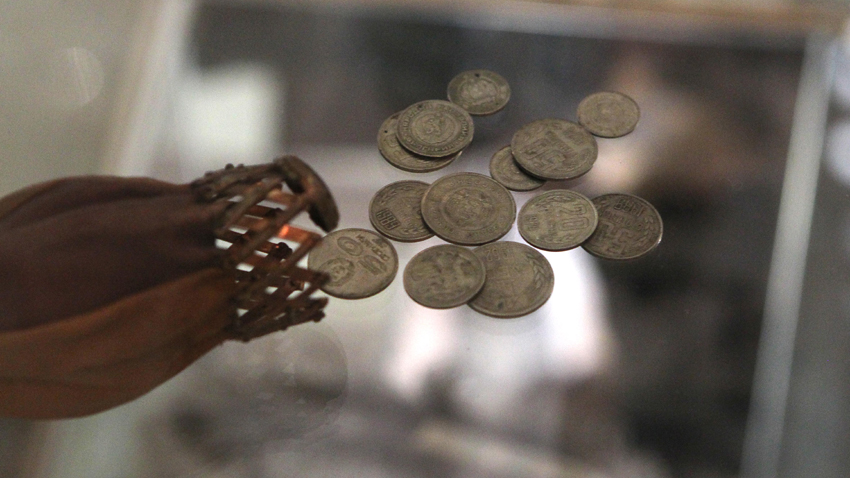
“The first silver coins of the Principality of Bulgaria were cut in Russia. There is not a lot of data on those; we try to find anything we can. Just to remind, the 50 cent /stotinka in Bulgarian/ coin was so powerful that one could buy a lamb with it. Then half of the coin’s value could be restored by selling the lamb’s fur. The 2, 5 and 10 stotinka coins were the most used and the most worn out ones respectively. Those grounded Bulgaria’s commercial life.”
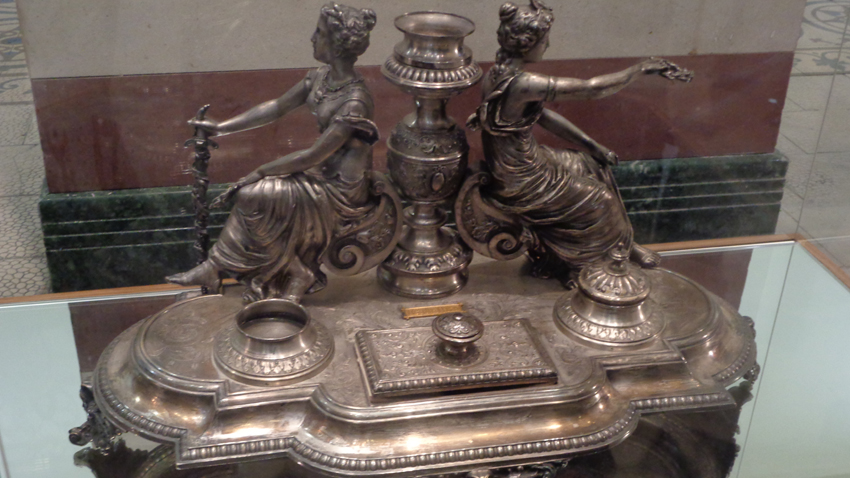
One more curious thing: a gold coin of 100 leva, cut by the Principality of Bulgaria was enough for a house in Sofia. “The lev and stotinka currency meant pride. We were practically part of Europe – one could take the train, go to Paris and exchange money at the first bureau spotted…” Ilya Prokopov says in conclusion.
English version: Zhivko Stanchev
Photos: Veneta Pavlova and BTA
In the world of the Thracians, who had no written language, the most important messages were conveyed through art. The Letnitsa Treasure is precisely such a message — about power, beliefs, and the path to wisdom . This unique discovery, dated between..
On November 21, the day of the Presentation of Virgin Mary (or the Entry of the most Holy Theotokos into the Temple), the Orthodox Bulgarians also celebrate the Day of the Christian Family and the Learning Youth. The holiday was established by the..
During a visit by the Radio Bulgaria team to the Bulgarian Orthodox Parish "Nativity of the Mother of God" in Geneva, we had the pleasure of meeting Ventseslav Sabev, the son of long-time church history professor at the Sofia Theological Seminary,..




 Mostly Cloudy
 Cloudy
 Partly Cloudy