Bulgaria’s printed media accentuate on Wednesday on the sitting of the Consultative Council on National Security summoned by the Bulgarian head of state Rossen Plevneliev on Tuesday. It aimed at finding a way out of the political crisis after the resignation of Boyko Borissov’s cabinet. Trud daily informs that Borissov’s cabinet will probably function until President-elect Rumen Radev assumes office. However, Standart daily forecasts that a new cabinet headed by nationalistic leader Krasimir Karakachanov will be formed within the current National Assembly and the early Parliamentary elections will be held in May 2017. Both Standart and 24 Chassa assume that GERB party headed by outgoing Premier Borissov may support a new cabinet with the mandate of the Patriotic Front or the Reformist Bloc. Duma daily also assumes that “Borissov may support a cabinet of his satellites”. Petar Cholakov notes in his analysis in Dnevnik daily that currently the state power is rolling across Sofia’s streets and that the early Parliamentary elections, unlike the amendments to the election code, are inevitable, and that the worst strategy of the authorities to deal with the political crisis is to prolong the early elections.
Capital daily claims on Wednesday that so far the draft bill of Bulgaria’s Ombudsman Maya Manolova on amendments to the election code hasn’t been supported by any Bulgarian politicians or experts. The bill envisages introduction of a majoritarian voting system in two rounds at Parliamentary elections. Capital’s article is based on the public discussion named Introduction of Majoritarian Voting System with Full Majority in Two Rounds organized by the Legal Affairs Committee with the Bulgarian National Assembly. Capital daily also notes that many of the participants at the discussion started and finished their speeches with the warning that it was dangerous for the National Assembly to adopt a legislation which was written hastily.
Sega daily and 24 Chassa daily inform on Wednesday about the research of the Institute for Market Economics about the development of the Bulgarian regions. Bulgaria has overcome the consequences of the economic crisis, but this was due to the fast development of 9 Bulgarian districts only, whereas the other regions are still lagging behind, 24 Chassa informs. Sega daily points out that 40% of the country’s gross domestic product is formed in Bulgaria’s capital Sofia and that the incomes in Sofia have already reached the EU average.
Monitor daily quotes researches of Bulgarian labor unions that 20% of the Bulgarians travel an average of 40 kilometers per day, in order to get to their work place. In other words, there are 500,000 labor migrants in Bulgaria. Many companies moved their businesses to Sofia’s suburbs and have been looking for employees within a radius of 100 kilometers. The number of mobile workers in Sofia, Stara Zagora, Varna, Plovdiv, Burgas and Lovech is highest, a Bulgarian HR told Monitor daily.
English version: Kostadin Atanasov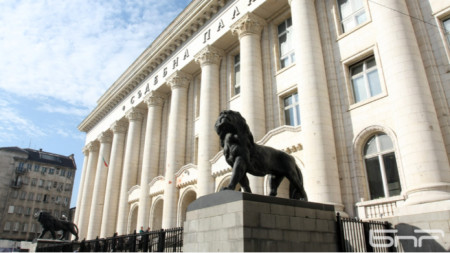
Judges have opposed the introduction of a new antivirus agent on their computers. The magistrates fear that it could violate personal data protection rules and compromise the independence of the judiciary. In an official letter, the Bulgarian..
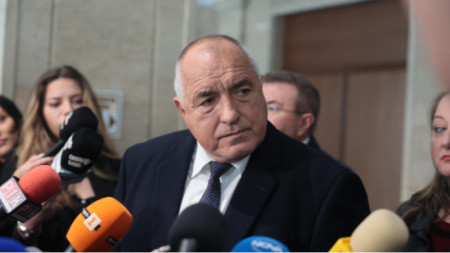
GERB leader Boyko Borisov said in Parliament that Bulgaria will become a member of the eurozone on January 1, regardless of protests organized by representatives of We Continue the Change Democratic Bulgaria (PP-DB). He was commenting on opposition..
Six countries, including Bulgaria, are at risk of non compliance with the EU fiscal framework in 2026. This is highlighted in the 2026 European Semester Autumn Package, adopted by the European Commission. Another 12 countries are urged to continue..







 Partly Cloudy
 Mostly Cloudy