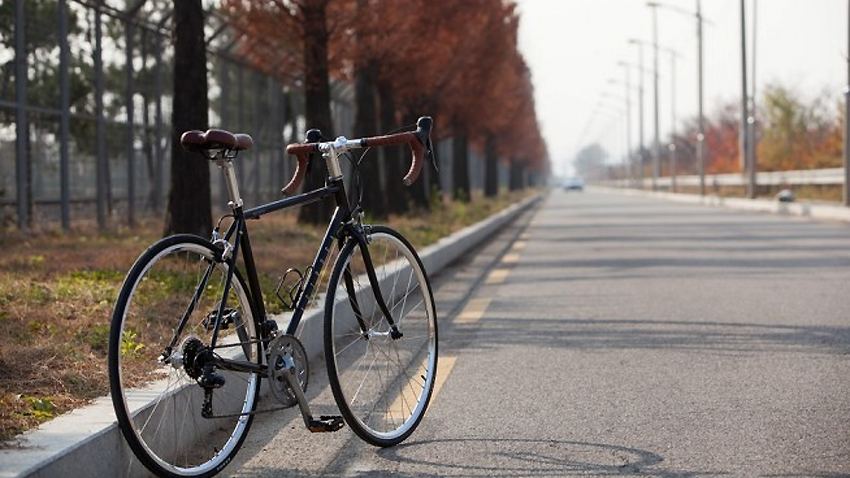
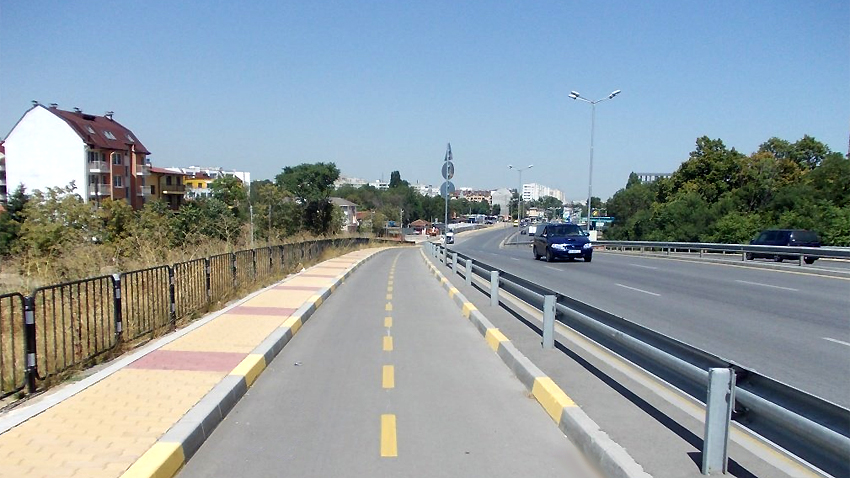
By 2019 Sofia would have 150-200 kilometers of cycle lanes. These are the plans of the Sofia Municipality. But is this achievable at the backdrop of the urban environment in the Bulgarian capital city? What are the weaknesses of existing cycling infrastructure and what could motivate people start riding a bike? More from architect Petya Petrova from the Bike Evolution Association:
 “Currently existing infrastructure lacks maintenance. There is almost no cycling infrastructure at major crossings, which are some of the most dangerous places for cyclists. When a novice biker is riding on a lane they reach a crossroads with no infrastructure and are put in risk. Narrow cycling lanes are yet another problem. Fortunately, the Ministry of Regional Development has planned to adopt wider cycling lanes in its regulatory acts in the autumn.”
According to changes there will be zones shared between pedestrians, riders and drivers and the speed limit there will be 30 kilometers per hour. Where it is possible cycling lanes will be separated from other traffic. There will be separate bike lanes in parks, too.

Bike Evolution members also call for creating pedestrian zones where cycling will be limited, just like in other European cities.
In residential areas a speed limit of 30 kilometer per hour would increase the safety of pedestrians, the NGO says.
According to latest data from 2010, bicycle riders are about 1 percent of all road traffic participants. The goal of the Sofia Municipality is this number to triple until 2019.
“This would be a big jump that requires stable policy. In addition to high-quality infrastructure, other measures that would urge children and adults to go to school or work by bike must be taken. A number of other measures not related to infrastructure can also be taken but the message of the Sofia Municipality towards the citizens is of high importance, too. Creating convenient crossroads and curbs is a message to cyclists that they are welcome in this city.”
English: Alexander Markov
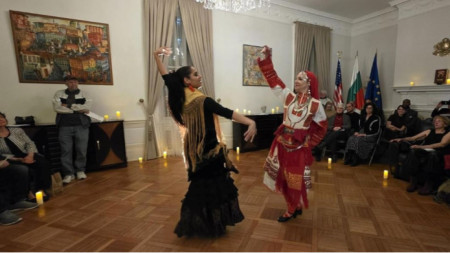
The Bulgarian Embassy hosted the second concert of the 17th season of the Bulgarian Music Society in Washington. On 14 November, guests enjoyed a unique show by two world-class artists, both originally from Bulgaria: Desi Jordanoff, a folk dance master,..

Generation Z students (born 1995–2012) are widely using artificial intelligence in their learning, with teachers reporting that more than 85% complete homework and study with the help of digital assistants. Children tend to see AI as a partner..

This year, Christmas has "arrived" in Sofia as early as November with the aroma of mulled wine, cinnamon and festive magic. Radio Bulgaria recommends that you visit some Christmas spots in the Bulgarian capital city: For those most impatient to..






 Rain
Rain Cloudy
 Occasional showers