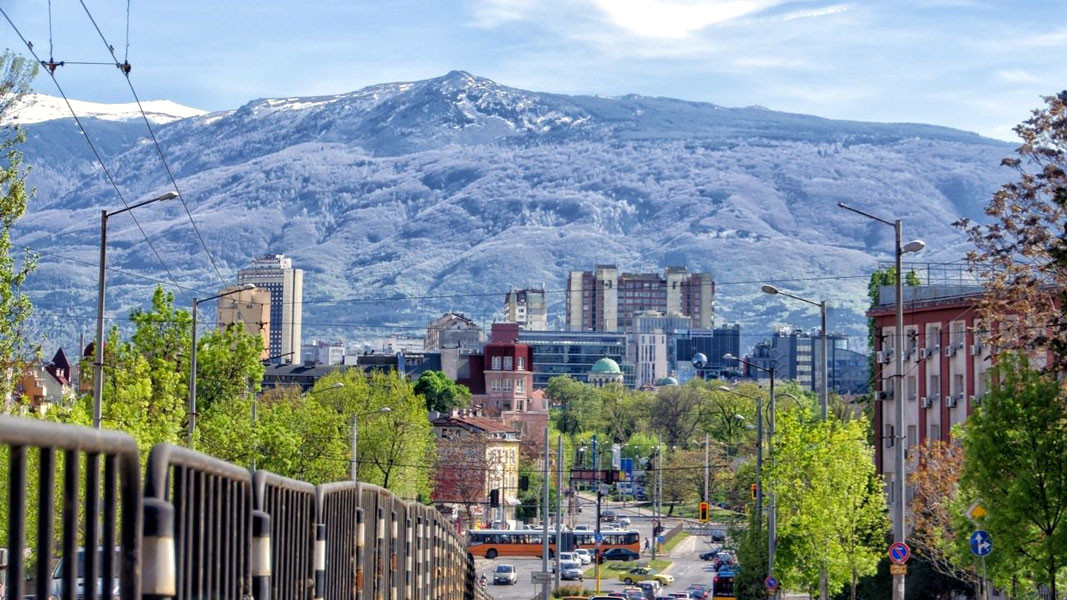
The Sofia Municipal Council adopted yet another impressive annual budget of the Bulgarian capital. This year it reached EUR 884 million. Bulgaria’s second biggest city Plovdiv has a much smaller budget to the tune of nearly EUR 175 million which is an evidence that Sofia is not only the biggest, but also the most powerful Bulgarian city in economic and financial aspect. It has a population of over 1.2 million people and more than 700,000 work there. The Bulgarian capital forms nearly 40% of the gross domestic product of the country.
Most of the funds in Sofia’s budget are allotted to two strategic priorities-investments in residential districts (streets, sidewalks, kindergartens, schools, urban transport) and improving air quality. Special attention is paid to activities related to healthcare, culture, education and security. The modernization of the Sofia urban transport and its adjacent infrastructure continue to be among the top priorities of the Sofia Municipality. Over EUR 87 million will be paid for renovation of road infrastructure and more than EUR 60 million for improving the urban transport, because it is considered one of the biggest air pollutants.
That is why the EUR 14 million allotted to gardening and landscaping seem meager against the backdrop of the large sums paid for implementation of the abovementioned policies. The third line of the Sofia Underground, which is to start functioning in the coming months, is also expected to influence positively air quality, because it will reduce road traffic in the Bulgarian capital.
Sofia’s motto is “Ever Growing, Never Ageing”. However, this is a city with ageing population, despite the fact that it is one of the Bulgarian cities with highest share of young people. The local authorities do not turn a blind eye to this problem and seem committed to reverse the trend by creating better conditions for the young and their families. That is why over EUR 30 million from the 2020 budget of the Sofia Municipality will be invested in building new kindergartens, nurseries and schools and repairing existing ones. Sofia will build 9 kindergartens, 2 nurseries and 6 schools with own financing. The municipal authorities also prepared projects for construction of another 4 schools and 7 kindergartens to the tune of over EUR 20 million.
We have to solve two main tasks. We have to provide more funding for investments in the residential districts-streets, sidewalks, parking areas, kindergartens and schools. We will continue improving urban transport, guarantee investments in environment aimed at improving quality of air, restoring the parks and the green areas and do afforestation, Sofia Mayor Yordanka Fandakova said.
Perhaps Sofia is not the most beautiful city in Europe and Bulgaria, but it is definitely preferred by the Bulgarians and many foreign nationals for economic reasons and because the green areas of the city located at the foot of the wonderful Mount Vitosha are still well-preserved. This, in combination with the fact that Sofia is a cultural, administrative and artistic hub of this country make this city attractive to live and work.
English version: Kostadin Atanasov
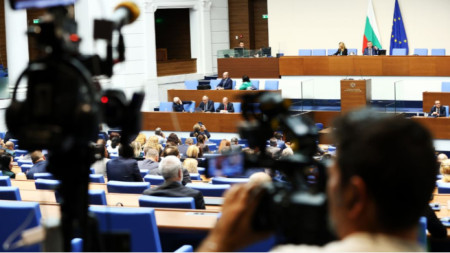
The draft state budget was adopted in first reading by the National Assembly on November 21. However, the planned changes in the financial framework for 2026 triggered an open clash between the ruling coalition, led by GERB party, and the opposition..
KBC Group expects the Bulgarian economy to grow slightly more next year in comparison to its previous forecasts, according to the conclusions of the Belgian financial group's latest assessments of the economies of Central and Eastern..
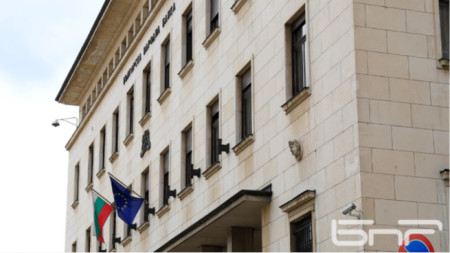
Foreign direct investment (FDI) in Bulgaria posted the largest net inflows from the Netherlands, Italy and Greece in the first half of 2025, the Bulgarian National Bank (BNB) said. Net FDI inflows totalled €554.9 million from the Netherlands, €325.2..




 Cloudy
 Mostly Cloudy
 Partly Cloudy
 Fog
Fog