
"We have been working with an analogue of the coronavirus, which was isolated back in the 1960s and from studying the reactions of this less pathogenic virus we can predict how antiviral substances would act on the current virus." This was what Assoc. Prof. Penka Petrova, Director of the Institute of Microbiology at the Bulgarian Academy of Sciences told Nova TV.
The academy has nearly 70 synthesized substances being tested for the first time against coronavirus, and 22 of them are "particularly promising." "The virus dies exposed to ultraviolet light," said Assoc. Prof. Penka Petrova, adding that the Bulgarian Academy of Sciences has been developing a method based on electric charring to be used in protective masks.
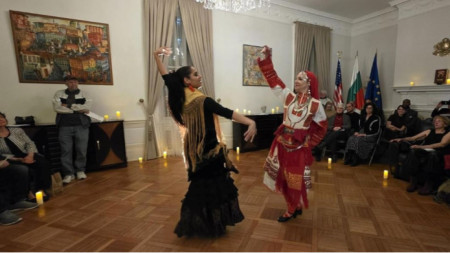
The Bulgarian Embassy hosted the second concert of the 17th season of the Bulgarian Music Society in Washington. On 14 November, guests enjoyed a unique show by two world-class artists, both originally from Bulgaria: Desi Jordanoff, a folk dance master,..
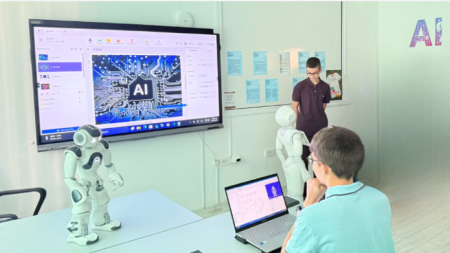
Generation Z students (born 1995–2012) are widely using artificial intelligence in their learning, with teachers reporting that more than 85% complete homework and study with the help of digital assistants. Children tend to see AI as a partner..

This year, Christmas has "arrived" in Sofia as early as November with the aroma of mulled wine, cinnamon and festive magic. Radio Bulgaria recommends that you visit some Christmas spots in the Bulgarian capital city: For those most impatient to..








 Overcast, rain
 Mostly Cloudy
 Cloudy
 Rain / Snow
 Cloudy