
The coronavirus pandemic has deepened economic disparities between Sofia and other Bulgarian regions. It has also resulted in higher unemployment in 2020.
According to the annual report of the Institute for Market Economics on the development of the Bulgarian regions, Sofia, Plovdiv, Varna and Burgas continue to attract 70% of the total investments. Sofia district, Gabrovo and Stara Zagora also manage to attract investments, yet at a smaller scale. Demographic processes remain the main impediment to growth. The population continues to decline. Except for Sofia and Kardzhali districts, in other Bulgarian regions the number of adults over 65 form one-third of the active population. Population growth has been marked in all municipalities in Kardzhali district.
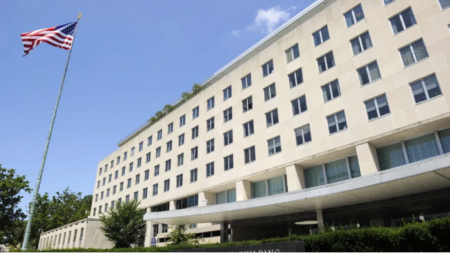
Bulgaria’s accession to the eurozone will reduce transaction costs with key trade and investment partners, according to the annual U.S. State Department report on the investment climate in the country, reported BGNES. The report emphasizes that..
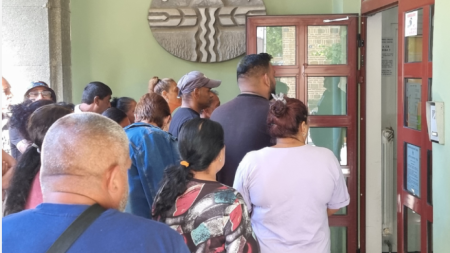
Less than 100 days remain until Bulgaria joins the eurozone, and this is another reason to talk about the incomes of people in Bulgaria, about the Bulgarian economy, about foreign investments and about the domestic labour market which reacts the..

At the end of September, with a little over three months to go until the Rubicon in Bulgarian public finance - 1 January, 2026, when the country will officially leave the currency board and adopt the single European currency, the euro – issues..






 Mostly Cloudy
 Rain
Rain Scattered showers
 Cloudy
 Cloudy