In the course of a year an international team of researchers studied how the restrictions during the Covid-19 pandemic have affected the mental state of the population in 11 countries - the UK, Belgium, the Netherlands, Bulgaria, Czechia, Finland, India, Latvia, Poland, Romania and Sweden. The team members included lecturers from New Bulgarian University in Sofia.
The study, financed by EOSCsecretariat.eu, found that almost half of the respondents (48.6%) suffer from some kind of mental disorder, with 17.6% it is the result of the pandemic and the restrictions imposed, 9.3% of the respondents say they have developed depression, and 3% - panic disorder.
“Bulgarians comply with 79% of the anti-epidemic restrictions imposed,” Dr. Irina Georgieva from New Bulgarian University said in an interview for Horizont channel. “Out of 44 restrictions applied, Bulgaria introduced 37 which is the highest number, whereas Sweden introduced 13.The tendency is that the more restrictive the measures the less they are complied with. The other conclusion from the study is that the lower the level of trust in the government, the fewer people observe any measures.”
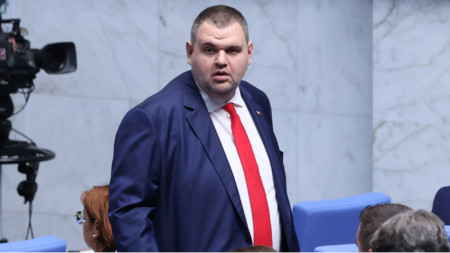
“I call on all representatives of the Movement for Rights and Freedoms in local government — mayors and municipal councilors — to ensure security and predictability for the people and to take the necessary steps to keep all local taxes and fees..
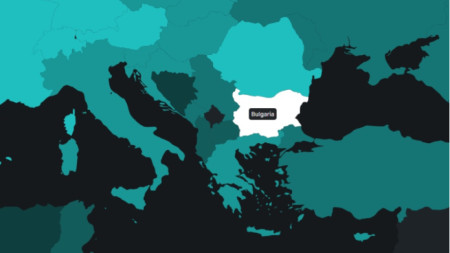
Bulgaria has climbed to 11th place in this year’s Digital Quality of Life 2025 (DQL) index published by Surfshark, up from 18th last year, BTA reported. The index evaluates countries’ digital well-being across five dimensions: fixed broadband..

Around 90% of the antiques seized during an international operation targeting a cultural property trafficking network will be returned to Bulgaria, Deputy Minister of Culture Todor Chobanov told “Nova TV”. “This is an unprecedented operation in..






 Mostly Cloudy
 Cloudy
 Partly Cloudy