
The state of emergency which was introduced in the spring of 2020 forced over half of employers (55%) to start applying teleworking in their companies, whereas only 28% had previously used it as a way of organizing work. 17% of employers do not work remotely at all, indicates a survey of the Bulgarian Industrial Association conducted among human resources managers of 180 companies across the country.
The difficulties that every third employer (33.3%) faces are: the regulation of the requirements and rules for teleworking in the additional agreements with the employees and and provision of the workplaces at home with the necessary equipment. Half of the employers intend to keep the remote forms of employment after the end of the emergency epidemic situation.
72% of the employers contend that reducing overhead costs is the biggest plus of teleworking. According to 67% of the respondents, creating flexible forms of employment is the biggest advantage of teleworking.

Bulgaria’s Anti-Corruption Commission is investigating a large-scale property fraud and money laundering scheme connected to the 'Historical Park', which is associated with Ivelin Mihaylov, the leader of the Velichie party. Those arrested include the..

The ruling party and the opposition argued about the procedure for the Budget Committee meeting before the final vote on the 2006 budget . Assen Vassilev, chairman of the We Continue the Change party, attempted to block the committee’s extraordinary..
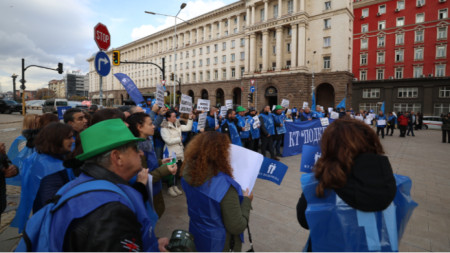
Employees in the agriculture and forestry sector staged a protest in front of the Parliament, demanding higher salaries for workers in departments that are secondary budget administrators. The protest was organized by the National Federation of..








 Cloudy
 Cloudy
 Mostly Cloudy