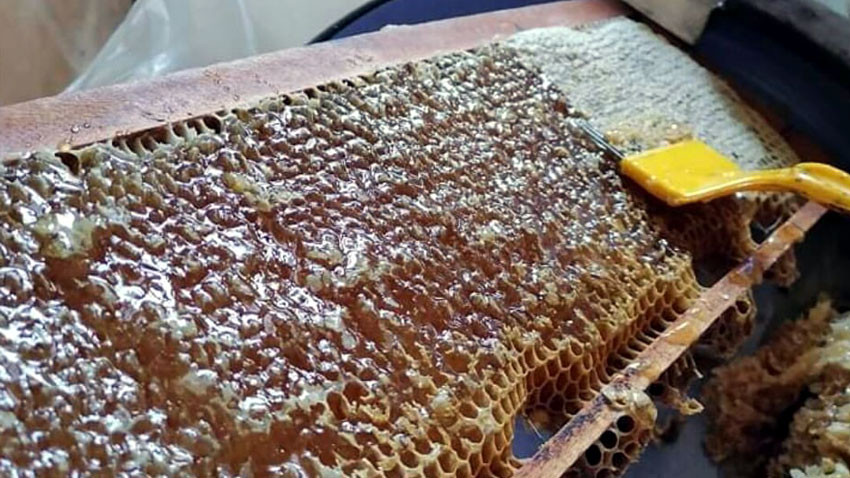
The spring of 2021 was cooler than normal. There was enough precipitation during this period as well. However, it turned out that these weather conditions were favourable both for bees and beekeepers, as plants produced more nectar. Honey yield in the spring of 2021 was high, said Rostislav Rashev, head of Lipa (Linden) Beekeepers’ Association. Beekeepers expect good yields this year and voiced hopes that their honey would sell well:
“The wholesale price of honey has increased this year. The price of acacia honey has gone up by 30%. The price of rapeseed honey has marked a significant increase as well- says beekeeper Rostislav Rashev who has 400 hives. - Most apiarists sell their produce both in bulk and in small quantities. However, we cannot afford to increase the retail price by 30%. We know that consumers do not have a lot of money and we cannot increase prices too much. However, retail prices of honey will increase by 50 eurocents or so per kilogram.”
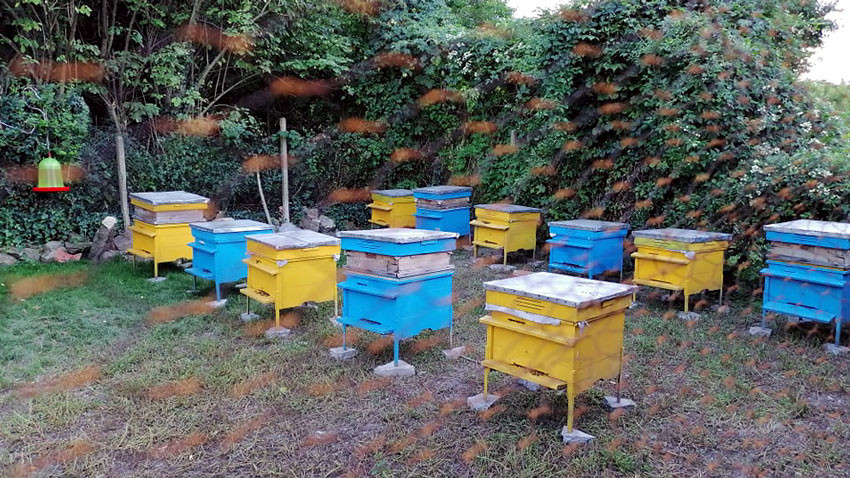
Earlier this spring bees collected nectar from acacia. Now they are collecting nectar from various herbs and later- from sunflowers, explains Kostadin Atanasov who says beekeeping is his favourite hobby. His apiary consists of twenty hives. It is located near the town of Yablanitsa, the Balkan Mountain Range, at an altitude of 750 meters above sea level. Last year was disastrous for Bulgaria’s beekeepers, as they managed to collect only 4-5 kilograms of honey per hive, whereas the average honey yield per hive is around 25 kilograms, says Kostadin. However, beekeepers are expecting good honey yield in 2021.
“Fortunately, bee mortality in my apiary was extremely low last winter-around 5%, whereas some colleagues lost between 70% and 80% of their colonies. In their words, this is mainly due to a parasitic disease called varroa destructor- external parasitic mite that attacks and feeds on the honey bees. According to other apiarists, big grain producers in this country spray their crops with chemicals that are harmful to honey bees. Fortunately, grain production is not that developed in my area.”
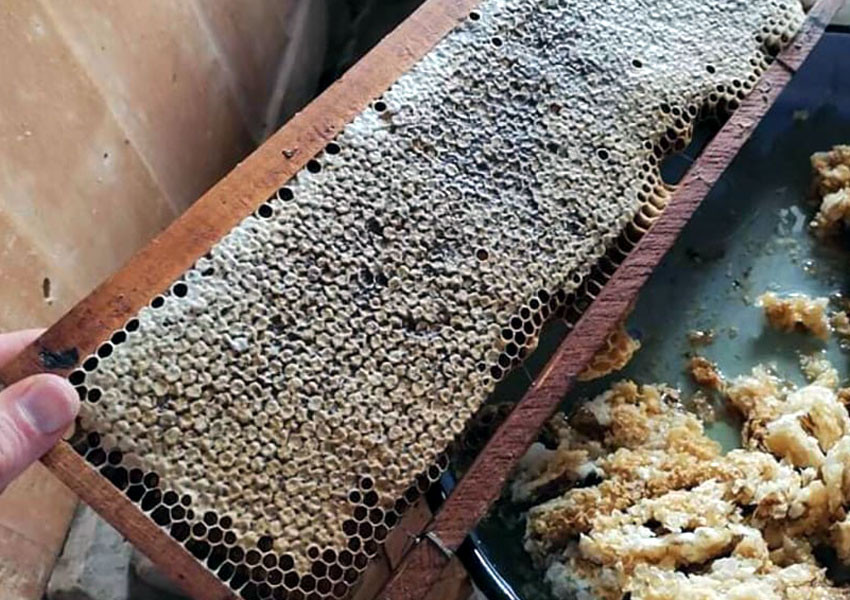
However, beekeepers are facing other challenges as well, such as swarming- when a portion of the colony leaves the hive with the queen to create a new hive in a new location, says Kostadin.
“No one knows why bee colonies swarm so much this year. However, it would inevitably affect the yields over the next months. Swarming weakens the colony a lot and in such cases honey yield is very low or there is no yield at all.”
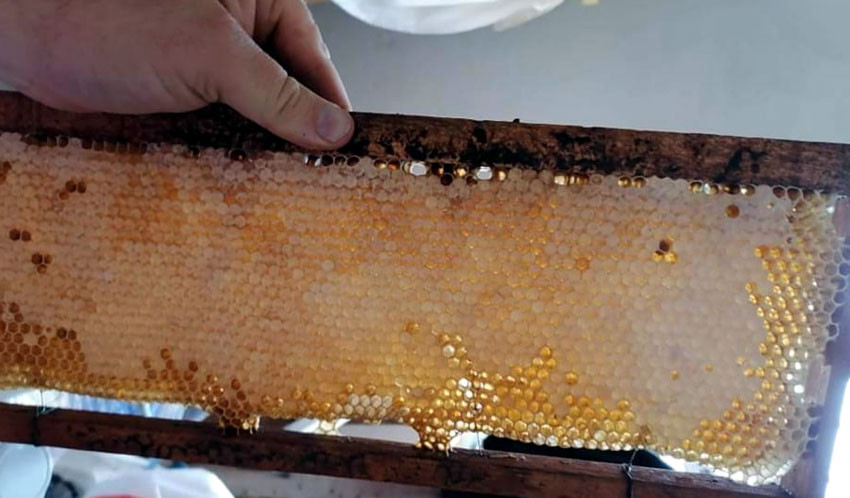
Kostadin has been engaged in beekeeping for three years now. He has been following the new trends in this sector and has been learning from the more experienced apiarists in his area.
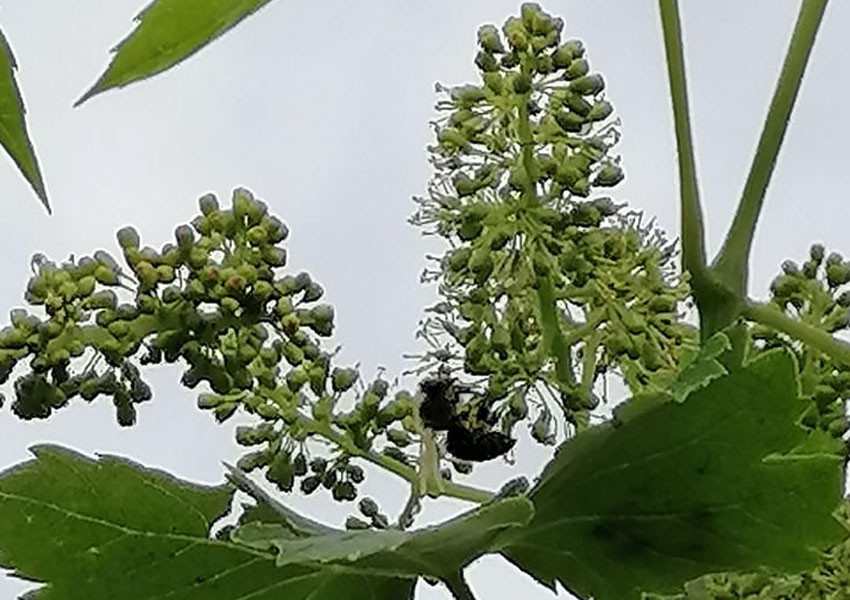
“When you go to the apiary you find yourself in a new reality. You become part of a very different world where everything is perfectly organized. Bees are extremely intelligent species and we are yet to learn more details about their life and activities.”
English version: Kostadin Atanasov
Photos: Kostadin Atanasov
The Bulgarian minority in Romania marked a significant event with the official opening of the Bulgarian Inn in the village of Izvoarele (Hanul Bilgarilor), Teleorman County (Southern Romania)- a locality with Bulgarian roots dating back over 200 years...

The 14th edition of DiVino.Taste, Bulgaria’s leading forum for wines and winemakers, will take place from 28 to 30 November at the Inter Expo Centre in Sofia. Over 80 producers from all wine regions will participate, offering tastings of around 600 of the..

Minutes before the second and final reading, at the parliamentary budget and finance committee, of the state budget for 2026, the leader of the biggest party represented in parliament GERB Boyko Borissov halted the procedure and sent the draft bill..








 Partly cloudy, chance of rain
 Scattered showers
 Rain / Snow
 Cloudy
 Cloudy
 Rain
Rain