
No matter whether it is an armed conflict, a natural disaster or an epidemic. It is normal for any extreme situation that is beyond our control to create a sense of helplessness and vulnerability. And this sometimes leads to psychological trauma. Deteriorating mental health is becoming a parallel pandemic for Europe. It threatens the mass mental health of residents of the OldContinent and especially of young people, according to WHO data.
These concerns are also confirmed by the employees of the Centre for Psychosocial Support at the Bulgarian Red Cross based in the city of Plovdiv. Since the beginning of the Covid crisis, the psychologists working in it have consulted over 4,000 Bulgarians free of charge with psychological problems caused by the pandemic. Most of them are women and more and more often young people:
"There is a dynamic of problems. If in 2020 we faced panic, now we are facing anxiety. It is caused by the many unpredictable factors, the long lockdown, the loss of a job or loved ones. This increases the percentage of Bulgarians with depression”,says Tanya Georgieva, director of the regional organization of the Bulgarian Red Cross. “43% of the people who turn to our Centre for Psychological Support are women and 33% are men. In addition, the profile of those in need of consultation is changing. Younger and younger people are calling. And they are already looking for us from all over the country, not only from Sofia, although our lines are still not well known."
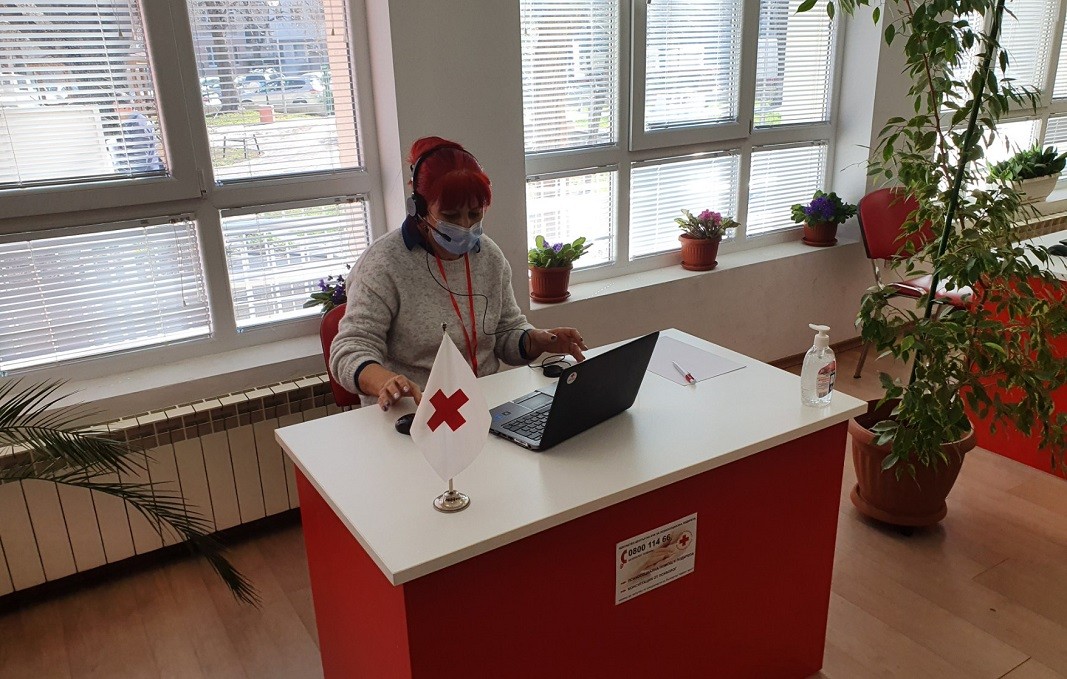
Fear of infection, disease and death. Fear of loneliness, unemployment and poverty. Fear for the lives of your closest people and the helplessness to protect them. And most of all - loss of control over your own life. "There are Bulgarians who have completely subjugated their lives in search of information about what is happening in a pandemic. It is a way of life entirely inside the online news that has a negative impact on their mental health. These people are looking for ways to survive by moving to a virtual environment, and this is associated with increased anxiety and can trigger depressive states leading to panic attacks,"saysBiliana Karadjova, coordinator of the Contact Centre in Plovdiv. And more:

"What stands out is among the younger people in active age. Those who seek our services have lost their jobs, have already moved into the long-term unemployed sector and are falling into severe social isolation. It deepens and prevents them from finding work, makes them withdraw from society even more. And so they fall into a vicious circle. We see this as an emerging trend."
According to psychologists, fear, insecurity and isolation also affect the family. "Many people turn to us because of a psychological breakdown related to separation from a loved one, whether it is a divorce of married couples or the breakup of a free relationship," says Bilyana Karadzhova. According to her, the crisis has become a catalyst for unstable and disharmonious family relations.

And what about domestic violence amidst the pandemic? The signals for such crimes have more than tripled in the first 6 months of 2021, the Sofia District Prosecutor's Office has warned. The global pandemic with coronavirus leads to unpredictable psychological consequences and only time will tell whether Bulgarian citizens will be able to overcome them,psychologists say.
Author: Veneta Nikolova
English version: Rositsa Petkova
Photos: pixabay and BRC
Bulgaria celebrates National Reading Day on the third Friday of November. The Reading Foundation is leading the initiative under the motto: “Read. For Real”. According to the OECD's PISA 2022 study, 53% of 15-year-old students in Bulgaria have..
On November 21–22, 2025, the 11th edition of the Career Fair will take place at the John Atanasov Hall in Sofia Tech Park. The forum aims to support early career orientation for young people in Bulgaria and is organized by the Bulgarian Global..
From fear and doubts to joy and support – Bulgarians react differently to the upcoming introduction of the euro on January 1, 2026. For some, it is a logical step towards Bulgaria’s integration into the EU with promises of stability..




 Partly Cloudy
 Cloudy
 Cloudy
 Mostly Cloudy