
According to a study by the European Foundation for the Improvement of Living and Working Conditions based in Dublin, a quarter of Bulgarians worked remotely during the Covid-19 pandemic.
The anti-epidemic measures in the countries of the European Union in the past 2 years made 37% of people to work remotely, while previously just 5% of those employed in the European Union worked remotely. According to the executive director of the foundation, Ivaylo Kalfin, after the measures were dropped, 80% of those who used to worked remotely want to continue working in a hybrid model.
Mr. Kalfin gave an example of how the European Commission promoted a hybrid model of work in which everyone works two days a week in the office and at least one day remotely, while the mode in the other two working days is left to the decision of workers.

“I call on all representatives of the Movement for Rights and Freedoms in local government — mayors and municipal councilors — to ensure security and predictability for the people and to take the necessary steps to keep all local taxes and fees..
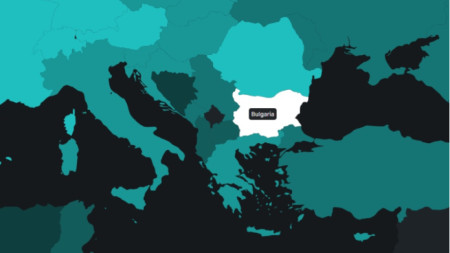
Bulgaria has climbed to 11th place in this year’s Digital Quality of Life 2025 (DQL) index published by Surfshark, up from 18th last year, BTA reported. The index evaluates countries’ digital well-being across five dimensions: fixed broadband..
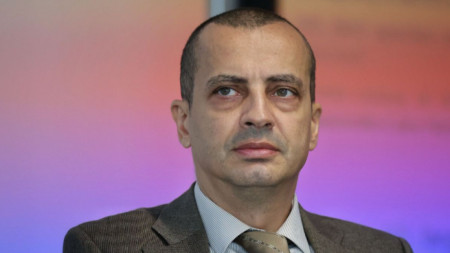
Around 90% of the antiques seized during an international operation targeting a cultural property trafficking network will be returned to Bulgaria, Deputy Minister of Culture Todor Chobanov told “Nova TV”. “This is an unprecedented operation in..






 Partly Cloudy
 Mostly Cloudy