
At the end of 2022, Bulgarians kept over EUR 36 billion in banks, an increase of 8.2% compared to 2021. But the number of households’ bank deposits has gone down by 2% within the space of a year, and they are now almost 8.9 million. 55% of these deposits are for sums up to EUR 500, the average being EUR 85. 7.22% of the people with deposits have sums up to EUR 2,500, Bulgarian National Bank statistics show. 290,000 depositors or 4% own almost half of the money kept in banks. In 2022, households in Bulgaria have taken out a total of 3 million loans totaling almost EUR 18 billion, more than 70% of the credits being for sums up to EUR 2,500. This means there are a great many Bulgarians who are running into debt to be able to cater for their daily needs, comments Lyubomir Kostov, chief economist of the Confederation of Independent Trade Unions in Bulgaria.
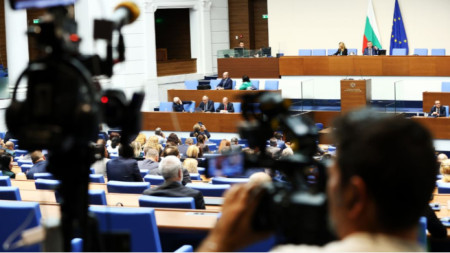
The draft state budget was adopted in first reading by the National Assembly on November 21. However, the planned changes in the financial framework for 2026 triggered an open clash between the ruling coalition, led by GERB party, and the opposition..
KBC Group expects the Bulgarian economy to grow slightly more next year in comparison to its previous forecasts, according to the conclusions of the Belgian financial group's latest assessments of the economies of Central and Eastern..
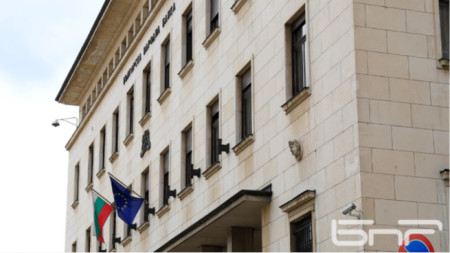
Foreign direct investment (FDI) in Bulgaria posted the largest net inflows from the Netherlands, Italy and Greece in the first half of 2025, the Bulgarian National Bank (BNB) said. Net FDI inflows totalled €554.9 million from the Netherlands, €325.2..








 Partly Cloudy
 Mostly Cloudy
 Fog
Fog