Podcast in English
Text size
Bulgarian National Radio © 2025 All Rights Reserved

In the Rhodope village of Kushla - the kingdom of the mumio

10
Photo: БНР-Кърджали

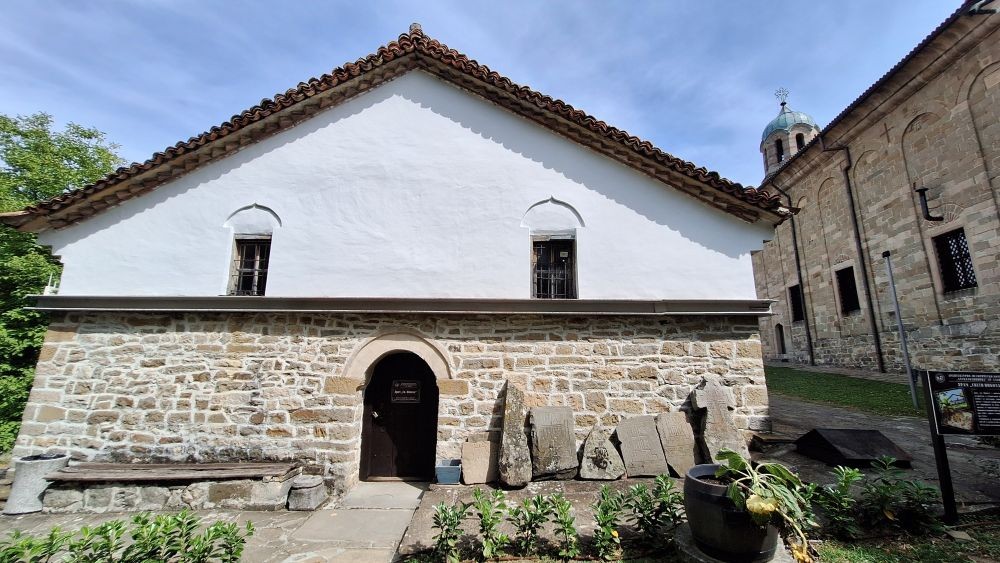
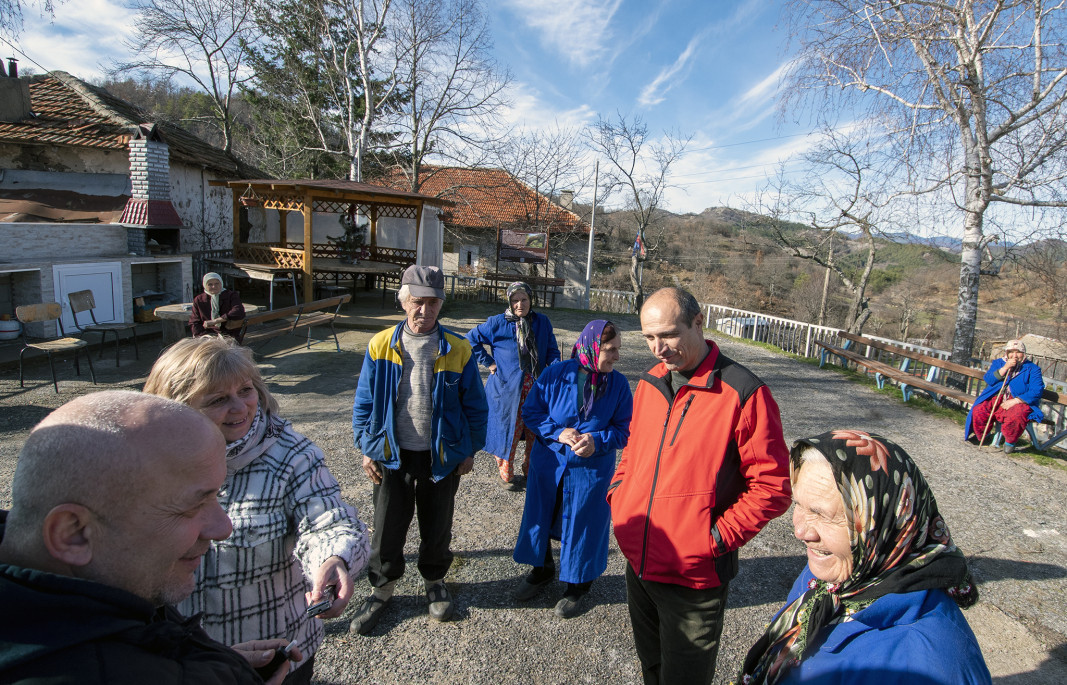
Somewhere in the foothills of the Eastern Rhodopes, just 100 meters from the Bulgarian border with Greece, lies the village of Kushla. Not so long ago - in the 1970s - its population numbered over 300 people, but today only 22 pensioners live here, says the mayor Sevdalin Hadzhiev. In search of work, young people flee either to the nearest town of Zlatograd or abroad, mainly to Germany. The old stone houses, like a set from a historical film, are quite impressive, but they are gradually crumbling - either nobody lives in them, or their inhabitants do not have the means to maintain them. Although the life of the local residents is not easy, they captivate with their vitality, calmness, harmony with themselves and the surrounding world, gratitude for what life gives them, desire to help whoever and with whatever they can. ‎

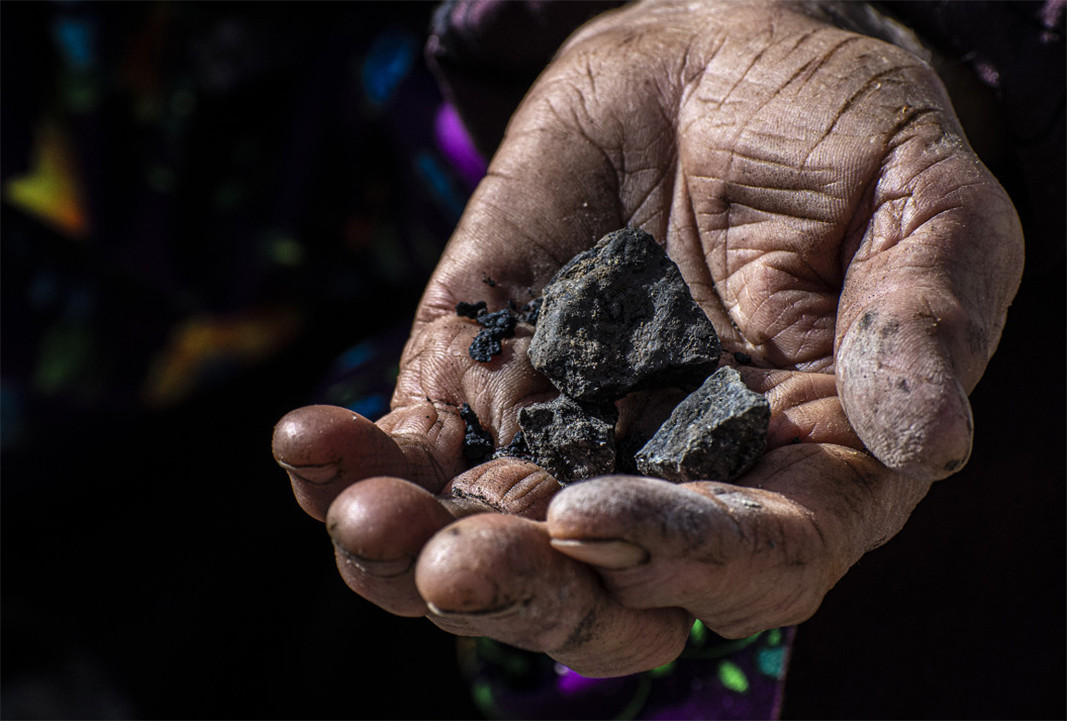
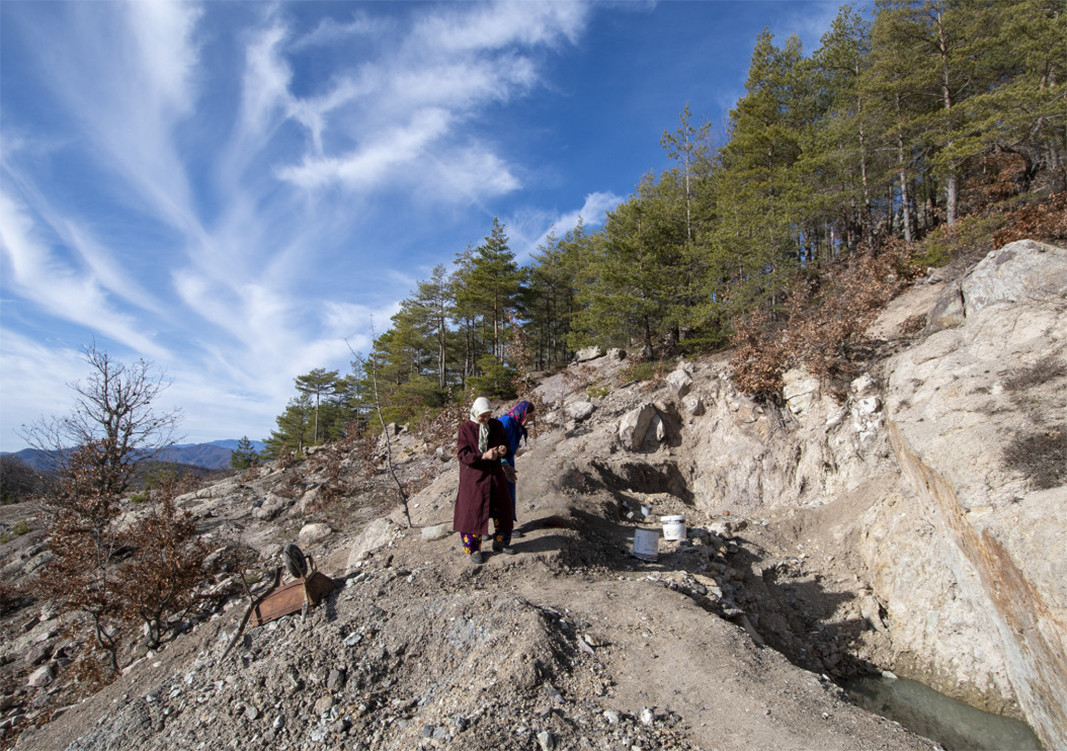
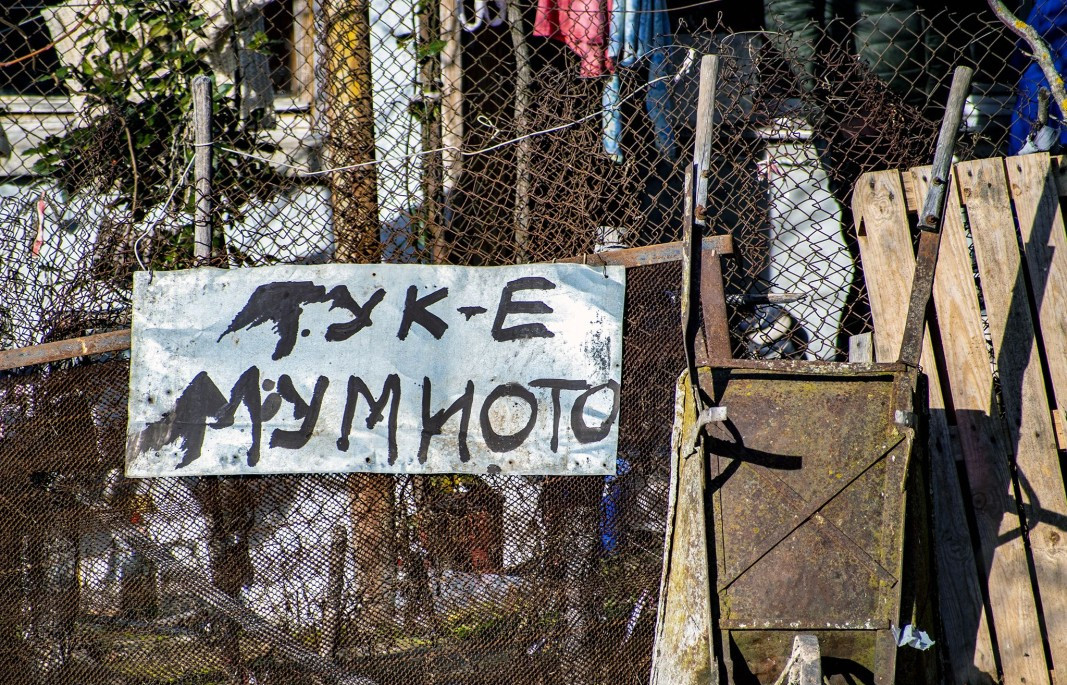
The area is distinguished by its wild nature and bizarre rock formations. One of the treasures of Kushla, which attracts guests from near and far to the village, is the "black gold of the Rhodopes" - here is the only site in Bulgaria for the mumio traditionally associated with the Asian parts of Russia and the Himalayas. The mumio, also called "tears of the mountain", is a black sticky mud mined in rock niches, which is distinguished by its healing properties. 

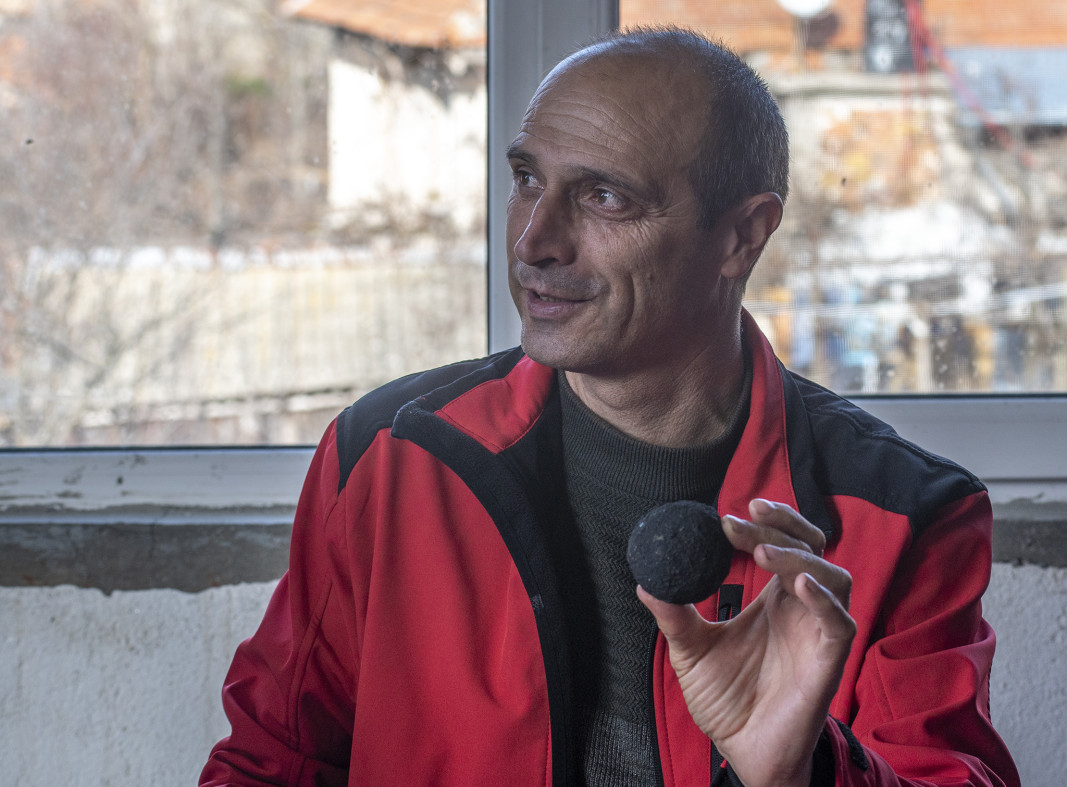
Especially in this area, the mumio is extremely rich in calcium, iron and magnesium. Its name is derived from the Greek word "mumia", meaning "preserved body". The locals use it mainly to treat fractures, joint problems and all sorts of other ailments, both for humans and animals. They learned how to do this from his grandmothers and great-grandmothers.‎


"The mumio heals. It comes straight from the earth, very deep. People have seen the benefits of using it. Mud in balls. They chew them like gum. Since ancient times. How much have we given to people and they see the benefits, mostly for fractures", says a local resident.‎

The locals boast that even the former Prime Minister Boyko Borisov healed an injury by using mumio from Kushla. They are often sent to those in need of the "Rhodope miracle" by delivery to different parts of the country, and then many call to thank them and share that the therapy has achieved its goal. ‎


Obtaining this natural gift is not easy, it requires special conditions and knowledge, explains Galina Stefanova from BNR Kardzhali:‎

"The vein, as they call it, is only one, in a specific place. They dig deep, up to 3-4 meters, or more. It cannot be done at any time - certain weather conditions are required. They remove the clay with their hands. They clean it from stones and other things. The women roll it into black balls, as big as a medium apple, about 200 grams, dry them in sunlight for several days. Then they dissolve them in water and drink."‎

The history of the origin and name of the village is also interesting. Mayor ‎Sevdalin Hadzhiev explains:

Mayor Sevdalin Hadzhiev
"Kushla means something like a barn. Our people moved here from Greece. They had barns here. In the summer they came to this area, in the winter - to the Aegean coast. Then, when the border was crossed, some stayed here, others on the other side. Our grandfathers had sisters and brothers in Greece."

There is no shop, no doctor and no pharmacy in the village. The water flowed from the Kushla fountains only 12 years ago. But, as we have already mentioned, people here live happily, and their recipe for happiness is to live calmly, not to be bothered by things that do not depend on them and they cannot change. In addition to the small pensions, they also rely on their personal farms for their sustenance. About what they fill their days with in the vanishing village, one of the grandmothers explains:


"There is a lot of work at home. We each have a cow, a calf, a donkey. We do a lot of gardening in the summer time. We have a great time. My daughter or son bring me what I need - food in bulk - sugar, oil, macaroni, couscous, whatever you need in the house."‎

For now, the village is connected to Zlatograd, located 30 kilometers away, by a bus that runs on certain days. Even in winter, access is always possible, as the road is regularly cleaned to make it passable, assures the mayor of the village, Sevdalin Hadzhiev, whom the locals greatly appreciate and have been electing and re-electing since 2014.‎


Compiled by Miglena Ivanova (based on a report of Georgi Argirov, Mehmed Redzhep, Galina Stenova from BNR's Radio Kardzhali)

Photos: BNR's Radio Kardzhali

English publication by Rositsa Petkova


Последвайте ни и в Google News Showcase, за да научите най-важното от деня!
Listen to the daily news from Bulgaria presented in "Bulgaria Today" podcast, available in Spotify.

More from category

New cultural-gastronomic center showcases Bulgarian culinary tradition in Romania

The Bulgarian minority in Romania marked a significant event with the official opening of the Bulgarian Inn in the village of Izvoarele (Hanul Bilgarilor), Teleorman County (Southern Romania)- a locality with Bulgarian roots dating back over 200 years...

published on 11/30/25 6:00 AM

The DiVino.Taste forum showcases new and exciting wines from across Bulgaria

The 14th edition of DiVino.Taste, Bulgaria’s leading forum for wines and winemakers, will take place from 28 to 30 November at the Inter Expo Centre in Sofia. Over 80 producers from all wine regions will participate, offering tastings of around 600 of the..
published on 11/28/25 9:05 AM

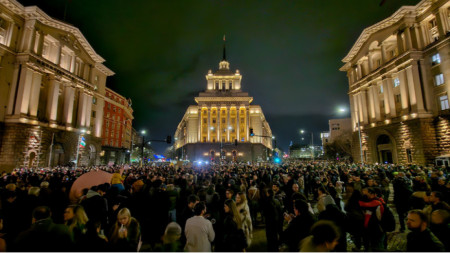
After massive protest in front of parliament building the ruling coalition freezes budget for 2026

Minutes before the second and final reading, at the parliamentary budget and finance committee, of the state budget for 2026, the leader of the biggest party represented in parliament GERB Boyko Borissov halted the procedure and sent the draft bill..

updated on 11/27/25 2:52 PM