Podcast in English
Text size
Bulgarian National Radio © 2026 All Rights Reserved

The tradition of the davuldjias, or who wakes up the Muslims during Ramadan

The day of arife ends the 30-day fasting for Muslims in Bulgaria

7
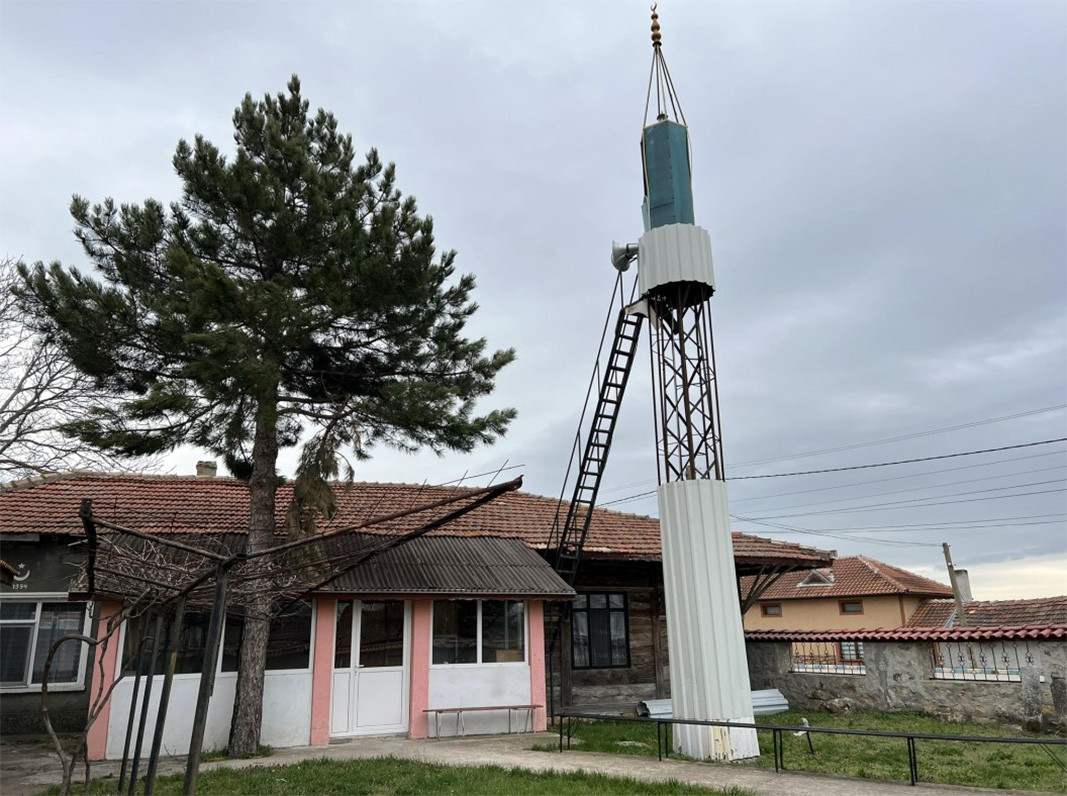
Photo: BNR - Shumen

The day of arife is the last day of the holy fasting month of Ramadan for Muslims. In Islam, this is the most auspicious month of the year, associated with the 30-day strict deprivation - "oruch". Eating and drinking liquids and water takes place only before sunrise and after sunset, and the person who wakes up the Muslims for the morning breakfast - "sahur" - has an important place in the performance of the rite during Ramadan.‎

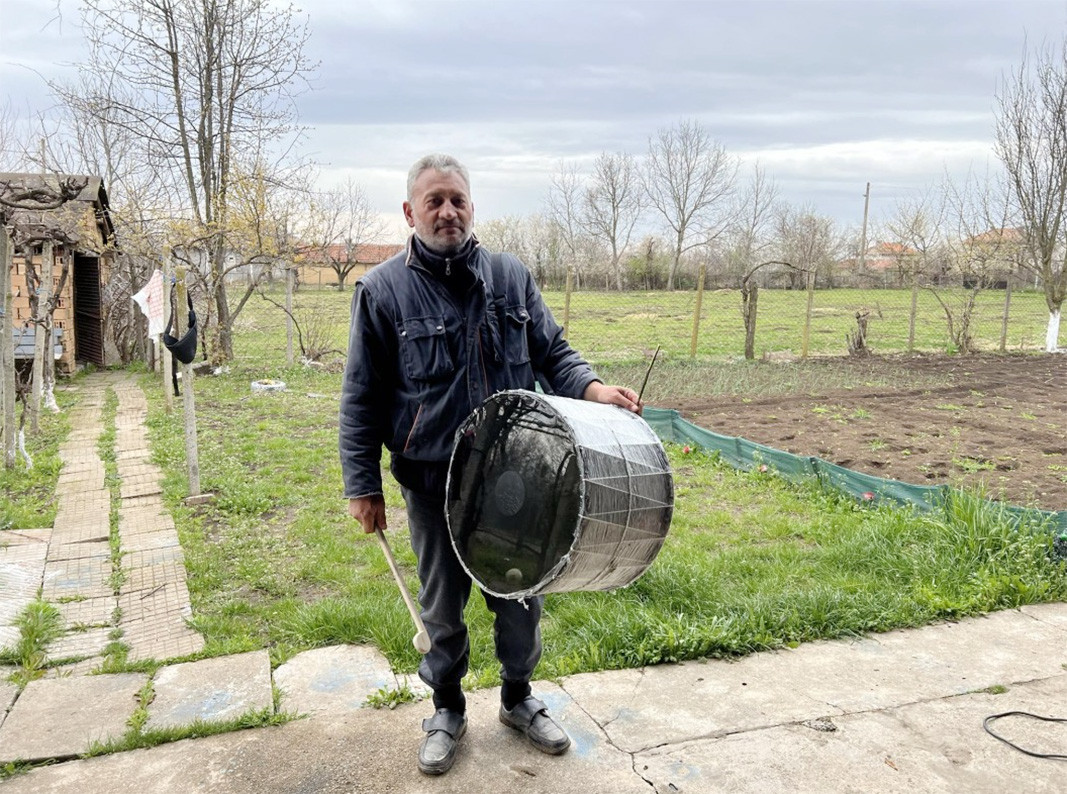
Every morning during the strict fast, the faithful Muslims in Bulgaria's village of Kaolinovo wake up to the sound of a drum and the blessings spoken by the local "davuldzhii". This is how the people who beat the drum and wake up the believers before sunrise are called. The ancient tradition is preserved in some villages in North-Eastern Bulgaria, where the Muslim population predominates. Specially selected davuldzhii go from house to house and do not leave until they see a lamp lit. This is repeated every day until the end of the Holy Month, which this year ends on April 9. Ayshe Lyatif from BNR's regional station in Shumen talks to a father and son, who yet for another year are davuldzhii in the village of Kliment. ‎

"We are trying to preserve our centuries-old tradition", says Behchet Ahmed, who together with his son Ayjan wake up the believers every early morning for the "sahur" (also suhur, suhoor). "We wake up the people at 2.30 am, at 3 am we start and at 4.30 am we end because then it is "imsak" (sunrise - editorial note) - until then you have to eat. There are old people who wait to hear the drum so they can get up and eat on time. So that we can be precise, there are three of us in the village and each of us visits 50-60 houses. If you are satisfied, it is not difficult, you get used to it, we even go to work. It makes an impression on us that the people are also very satisfied with us." ‎

Behchet Ahmed
On the last day of strict fasting, the davuljias decorate their drums and go around the families they have woken up to congratulate them on the coming of the holiday, sing "maanita" songs to them, and the hosts give them money or gifts as a sign of gratitude.‎

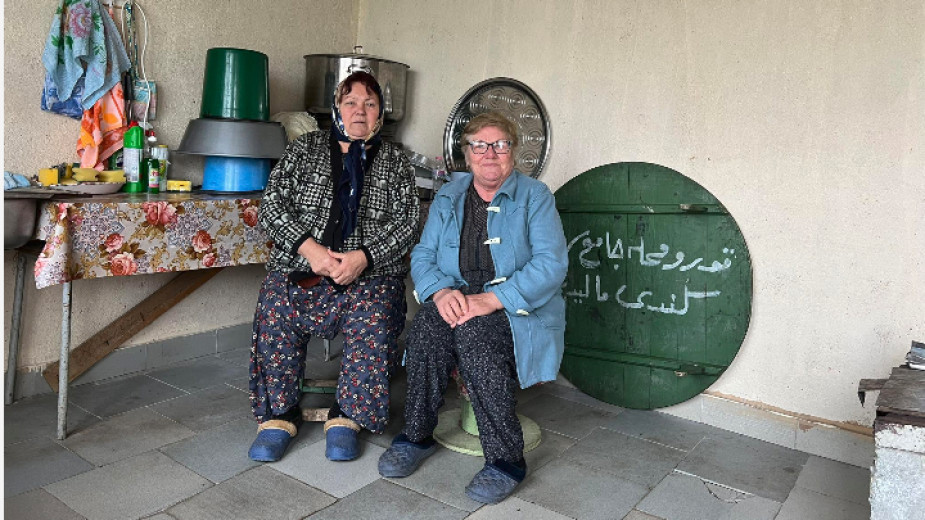
Already 7 years old, during the holy month of Ramadan, Esma Mustafa prepares an iftar dinner for about 30 people almost every night. The products are donated by muslims from the village. It is believed that the one who feeds the poor and believers during the holy month will receive forgiveness of his sins, says Esma, who with her friend Zeiha spend 4 hours each cooking:‎

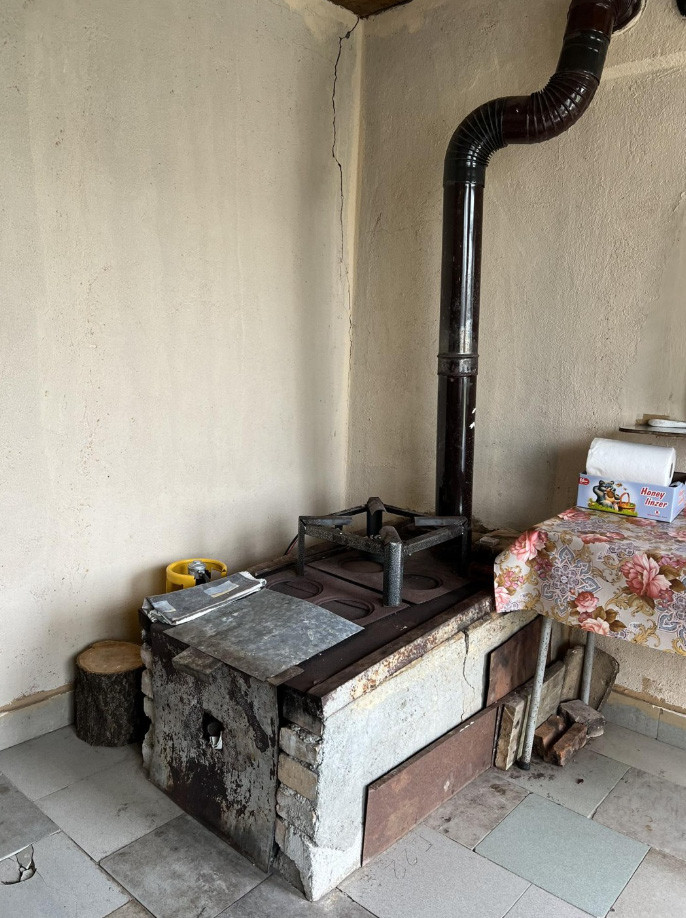
"Whoever decides - gives "iftar". People bring their products - we just cook. Usually a kurban meal is made, a lamb is slaughtered, the pieces of meat are brought to us, and we cook it here", explains Esma. "We have a big old stove on wood, and in the summer we cook on a gas stove. Sometimes after the Friday prayer there is also a sacrificial kurban meal for the family, for health. We also have a dining room, where we serve food for about 40-50 people. Whoever has the opportunity slaughters a lamb. Those who don't have the opportunity prepare their food at home: pilaf, salad with cabbage and roasted lamb leg or whatever they can afford, and finally something sweet."‎

Esma and Zeiha
The two women from the village of Kliment prepare the lamb for the kurban meal according to an old recipe - the way their grandmothers and great-grandmothers used to do it:‎

"You don't marinate the meat". explains Esma. "It is pre-cut into pieces as if for one portion. It is washed, drained from the night before. We put oil to heat in a large cauldron (40-60 liters), fry well the meat until the water is drained. We add chopped onion, and when it softens, we add red pepper and bay leaf. The  you have to add hot water and let it boil for about 3 hours. Finally, we add the other spices - dried black pepper, red peppers, allspice, savory, mint. Finally, we sprinkle flour on top and let it simmer for another 20 minutes, until the flour is absorbed. That's it!"‎


The day of arife, or the last day of fasting during Ramadan, this year  is on April 9. Preparations for the great Ramadan Bayram holiday, which will be celebrated from April 10 to 12, begin today. Tradition dictates that families gather together at a table filled with various dishes and sweets.


Compiled by Elena Karkalanova (based on reports of Ayshe Lyatif from BNR-Shumen)


Последвайте ни и в Google News Showcase, за да научите най-важното от деня!
Listen to the daily news from Bulgaria presented in "Bulgaria Today" podcast, available in Spotify.

More from category

Read. For Real: Bulgaria marks Reading Day

Bulgaria celebrates National Reading Day on the third Friday of November. The Reading Foundation is leading the initiative under the motto: “Read. For Real”. According to the OECD's PISA 2022 study, 53% of 15-year-old students in Bulgaria have..

published on 11/21/25 7:55 AM

Career Fair supports young people in exploring future professions

On November 21–22, 2025, the 11th edition of the Career Fair   will take place at the John Atanasov Hall in Sofia Tech Park. The forum aims to support early career orientation for young people in Bulgaria and is organized by the Bulgarian Global..
published on 11/21/25 7:35 AM

The еuro causes concerns among Bulgarians, but attracts foreigners

From fear and doubts to joy and support – Bulgarians react differently to the upcoming introduction of the euro on January 1, 2026. For some, it is a logical step towards Bulgaria’s integration into the EU with promises of stability..

published on 11/20/25 2:45 PM