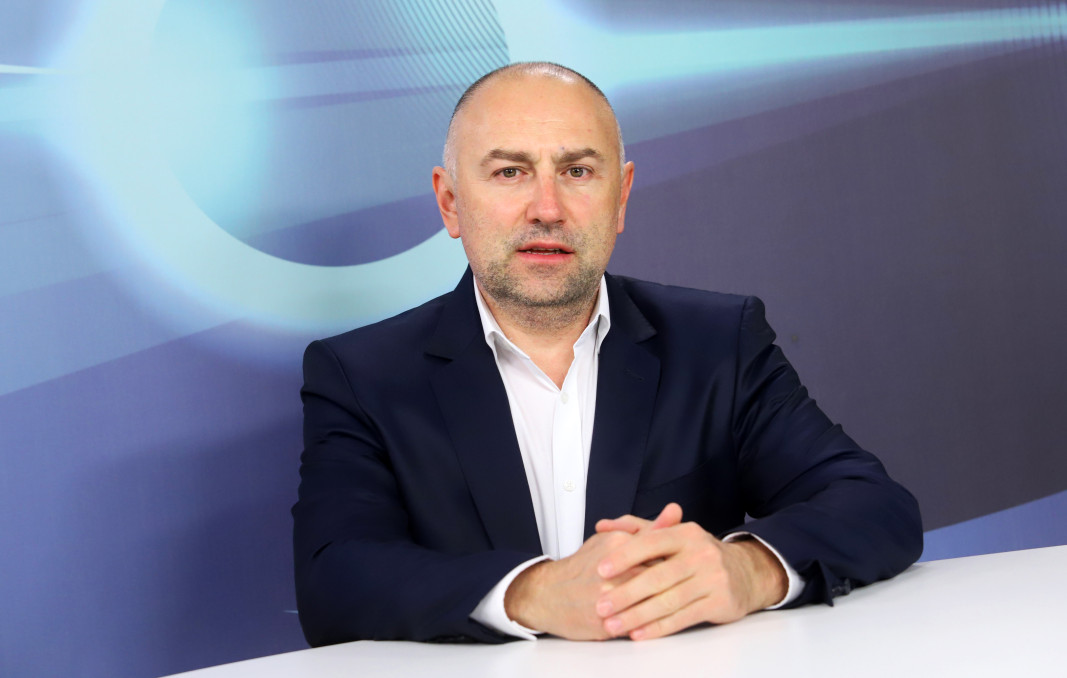
“The divergence between the monetary and the fiscal policy pursued by the government continues to be the main reason why Bulgaria does not meet all criteria yet for entering the Eurozone,” Lyubomir Karimansky, member of the Governing Council of the Bulgarian National Bank said in an interview with public service TV BNT, and added that politicians are currently taking advantage of the fact people are not financially literate to make them afraid of the adoption of the Euro. The country’s financial system is stable and is ready for the adoption of the euro. The lack of a targeted economic policy and the rising prices in the country are much more dangerous for people’s money, he said further. People’s savings are going to be affected by inflation more than by the Eurozone. If we want to have price stability, then the fiscal and the monetary policy must be going in the same direction, Lyubomir Karimansky stated.
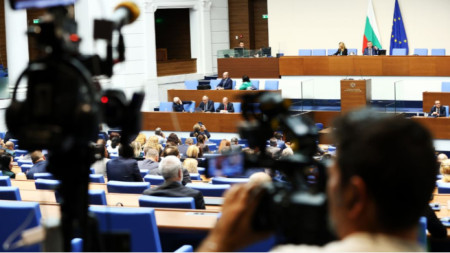
The draft state budget was adopted in first reading by the National Assembly on November 21. However, the planned changes in the financial framework for 2026 triggered an open clash between the ruling coalition, led by GERB party, and the opposition..
KBC Group expects the Bulgarian economy to grow slightly more next year in comparison to its previous forecasts, according to the conclusions of the Belgian financial group's latest assessments of the economies of Central and Eastern..
Foreign direct investment (FDI) in Bulgaria posted the largest net inflows from the Netherlands, Italy and Greece in the first half of 2025, the Bulgarian National Bank (BNB) said. Net FDI inflows totalled €554.9 million from the Netherlands, €325.2..






 Mostly Cloudy
 Fog
Fog Cloudy
 Partly Cloudy
 Cloudy