In the second quarter of the year, the average salary increased by 12% year over year, reaching €1,315.04.
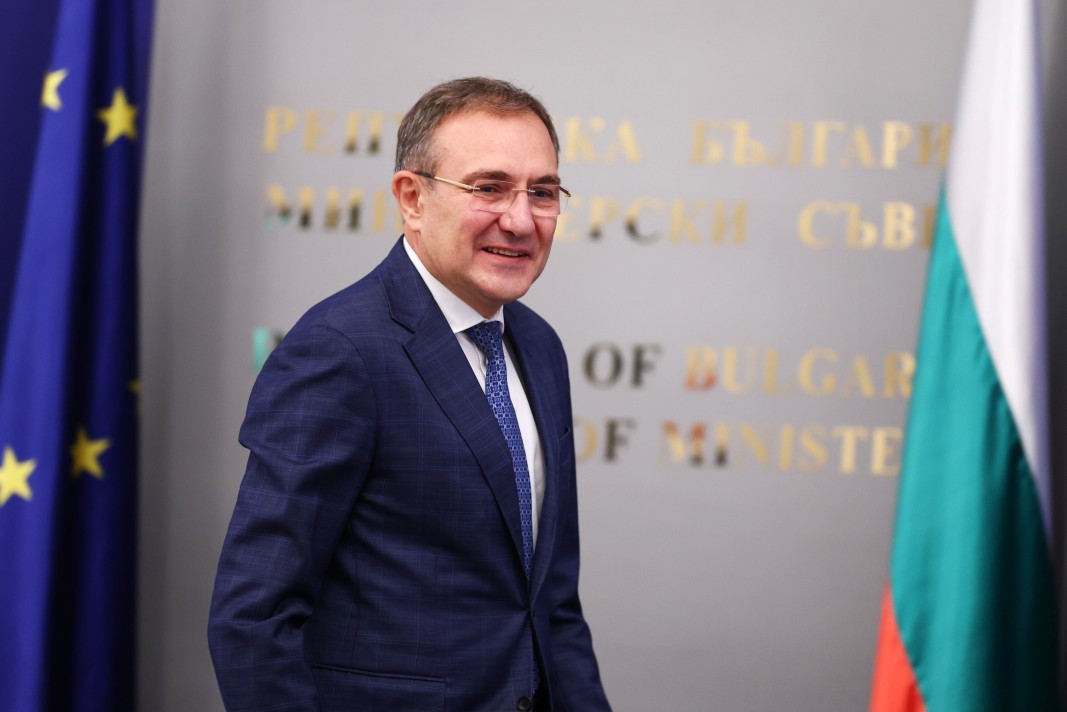
Borislav Gutsanov, the Minister of Labor and Social Policy, announced this information after today's meeting of the National Council for Tripartite Cooperation (NCTC). According to Gutsanov, Sofia had the highest average salary from April to June of 2025, at €1,783.90 — 37.5% higher than the national average. The highest wage growth was reported in Blagoevgrad (20.3%), Targovishte (18.3%), and Smolyan (17.3%).
Gutsanov commented that reducing poverty requires sustainable income from work.
At today's NCTC meeting, the government, supported by the business community, proposed setting the poverty line at €390.63. However, trade unions disagree because this amount falls short of people's real needs. They insist that the poverty line be set at 400 euros.
Bulgaria’s accession to the eurozone will reduce transaction costs with key trade and investment partners, according to the annual U.S. State Department report on the investment climate in the country, reported BGNES. The report emphasizes that..
Less than 100 days remain until Bulgaria joins the eurozone, and this is another reason to talk about the incomes of people in Bulgaria, about the Bulgarian economy, about foreign investments and about the domestic labour market which reacts the..

At the end of September, with a little over three months to go until the Rubicon in Bulgarian public finance - 1 January, 2026, when the country will officially leave the currency board and adopt the single European currency, the euro – issues..





 Partly Cloudy