According to data of the World Bank, 75% of the global gross domestic product is formed in the cities. Forecasts show that by 2030 the urban areas in the developing countries will increase threefold. That process will be considerably slower in Bulgaria, yet this country would make no exception to that trend. The concentration of people in the urban areas would boost consumption of water, electricity and raw materials. The level of harmful gas emissions is expected to rise. The cities would produce more waste and pollution will grow. Is there a way to manage that process? How representatives of the business, science and the authorities imagine the future of our cities? Those questions were discussed at the Green Cities Conference organized at the initiative of local business.
According to the participants, the state initiative for centralized and digital public services was a very good one. One of the cabinet's priorities regarded the introduction of E-government. Thus, the level of CO2 emissions would be reduced. The business participating in the so-called Green Circle pins its hopes on the new technologies to reduce harmful gas emissions and help nature conservation.
Many positive and quick changes related to mobile connectivity have occurred in Bulgaria, although we do not pay enough attention to them, Yasen Guev, Director at one of Bulgarian telecommunication companies and Chairman of the Bulgarian Green Circle said. In his words, the fact that the draft bill of the 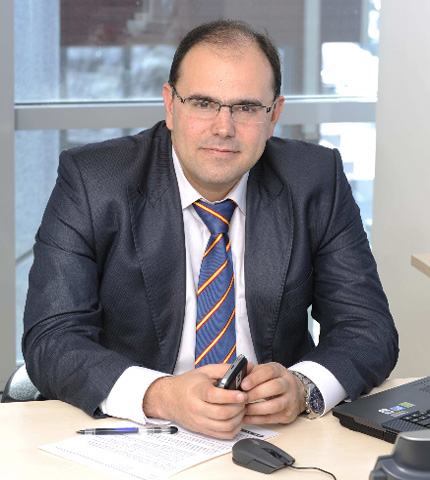 Telecommunications Act has already been discussed by the Bulgarian MPs is very encouraging. The new act will allow ordinary people to have quick and easy access to those technologies. More from Yasen Guev:
“We are very close to the moment when all people will have access to the Internet through any type of device, regardless of their location. Several years ago we spoke about Home Connectivity and it is now a reality, although that technology is still a bit expensive. We can do things we previously watched on movies only. For instance we can see who is ringing on our door bell though our phones. Owners of retail stores install security systems in their shops and can monitor constantly what happens there. People can buy heating devices with special software which enable them to control the device from a bigger distance. Connectivity has been turning into a basic service and a basic human necessity. The business services and the administrative services will be done through the mobile technologies in the future. “
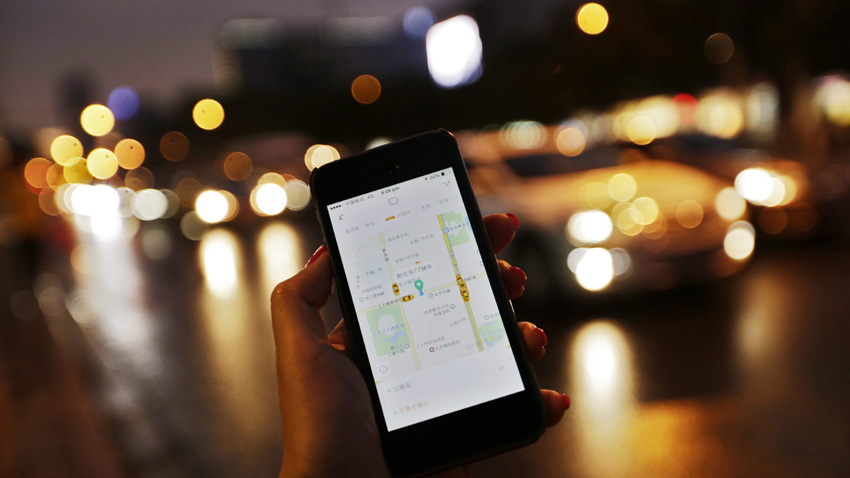
In Yasen Guev's words, the multinational online transportation company Uber is a good example in that direction, because the license allowing that company to do business in a given country is what matters the most.
“The biggest risk is related to legislation, because such type of services always infringes someone's interest. The debate will be complicated, because the state has to decide what is right and what is wrong. However, one thing is clear - the topics related to information and mobile connectivity are of key significance, because they influence directly the lives of all people. ”
English version: Kostadin Atanasov

Bulgaria celebrates National Reading Day on the third Friday of November. The Reading Foundation is leading the initiative under the motto: “Read. For Real”. According to the OECD's PISA 2022 study, 53% of 15-year-old students in Bulgaria have..

On November 21–22, 2025, the 11th edition of the Career Fair will take place at the John Atanasov Hall in Sofia Tech Park. The forum aims to support early career orientation for young people in Bulgaria and is organized by the Bulgarian Global..

From fear and doubts to joy and support – Bulgarians react differently to the upcoming introduction of the euro on January 1, 2026. For some, it is a logical step towards Bulgaria’s integration into the EU with promises of stability..








 Overcast, rain
 Scattered showers
 Cloudy
 Mostly Cloudy
 Cloudy
 Partly cloudy, chance of rain