
The coronavirus pandemic has deepened economic disparities between Sofia and other Bulgarian regions. It has also resulted in higher unemployment in 2020.
According to the annual report of the Institute for Market Economics on the development of the Bulgarian regions, Sofia, Plovdiv, Varna and Burgas continue to attract 70% of the total investments. Sofia district, Gabrovo and Stara Zagora also manage to attract investments, yet at a smaller scale. Demographic processes remain the main impediment to growth. The population continues to decline. Except for Sofia and Kardzhali districts, in other Bulgarian regions the number of adults over 65 form one-third of the active population. Population growth has been marked in all municipalities in Kardzhali district.
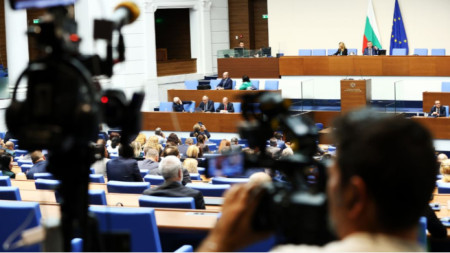
The draft state budget was adopted in first reading by the National Assembly on November 21. However, the planned changes in the financial framework for 2026 triggered an open clash between the ruling coalition, led by GERB party, and the opposition..
KBC Group expects the Bulgarian economy to grow slightly more next year in comparison to its previous forecasts, according to the conclusions of the Belgian financial group's latest assessments of the economies of Central and Eastern..
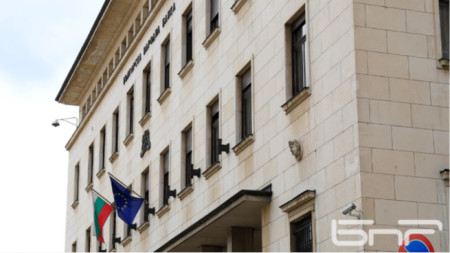
Foreign direct investment (FDI) in Bulgaria posted the largest net inflows from the Netherlands, Italy and Greece in the first half of 2025, the Bulgarian National Bank (BNB) said. Net FDI inflows totalled €554.9 million from the Netherlands, €325.2..






 Partly Cloudy
 Cloudy
 Cloudy
 Mostly Cloudy