The Commission for Bulgarians Abroad at the 47th National Assembly worked for just 6 months before parliament was dissolved. In addition to the priorities outlined by its chairwoman Antoaneta Tsoneva at the beginning of this year, the commission was able to resolve some issues raised at the hearings of the ministries, agencies and other services, directly or indirectly involved in the policies for Bulgarian communities abroad:
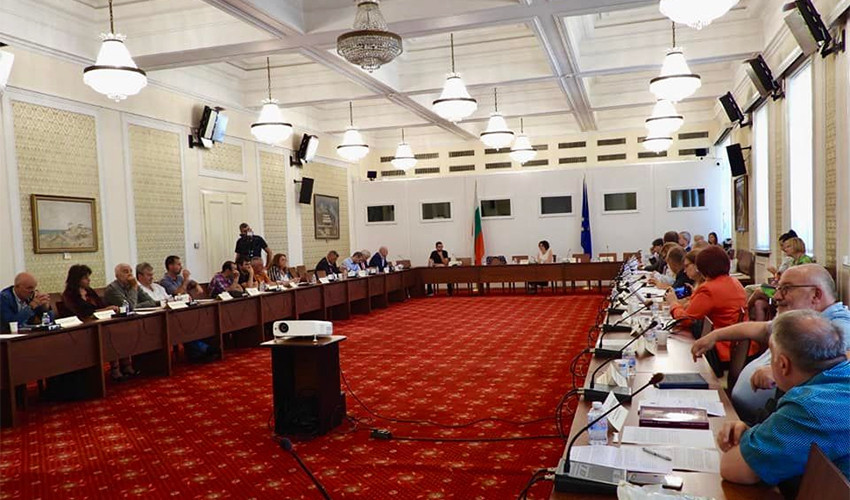
"We worked hard for solving the problem related to difficulties with the reception of young people of Bulgarian origin from the Western Balkans, Ukraine and Moldova, who have already acquired Bulgarian citizenship or have permanent residence, to Bulgarian universities. A change was made in the Higher Education Act and the existing obstacles have been removed," Antoaneta Tsoneva said in an interview with Radio Bulgaria. "Now those who have Bulgarian citizenship, not just a certificate of Bulgarian origin, can also benefit from admission under Resolution 103 of the Council of Ministers. This is important for thousands of young people who are permanently connected to Bulgaria. Therefore, this change in the law was adopted by a full majority."
Another success of the commission is related to the regulation on the long-term work of Bulgarian teachers abroad.
"It had not been amended for 10 years and according to the changes adopted at the penultimate meeting of the Council of Ministers, the teachers will receive 30% more money for daily expenses; the possibility of compensation for accommodation has also been introduced, as well as the payment of travel expenses for them and their families twice a year. Social, health and other benefits have also been greatly improved. In this way teaching of the Bulgarian language abroad will take place under much better working conditions."
Days before the end of her mandate as head of the commission, Antoaneta Tsoneva was among the guests at the conference of the Association of Bulgarian Schools Abroad. One of the topics discussed at the forum was related to the recognition of the Bulgarian language as having equal status to other European languages when matriculation exam results are concerned.
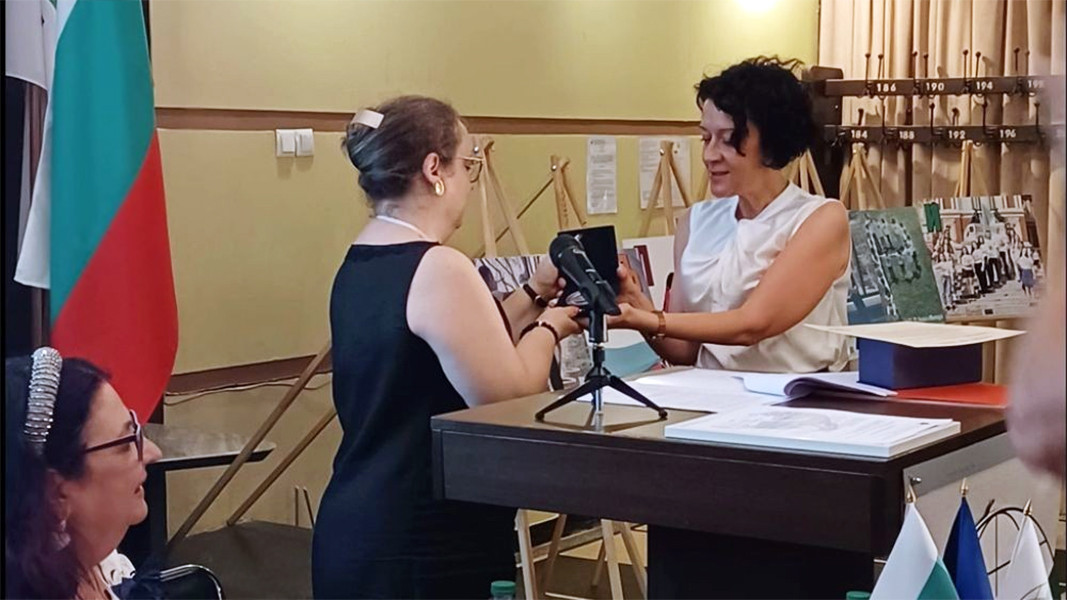
"This is a big battle that has been going on for a long time. The EP is also familiar with it and there is a resolution that the Bulgarian language should receive this status. However, this decision cannot be imposed simultaneously in all European countries. It should be done gradually with agreements between the Ministry of Education and Culture and each individual country, Tsoneva pointed out and added that it was important that children who attend Sunday schools from the age of 4 had an incentive not to give up learning the Bulgarian language when they grow up."
The commitment related to the provision of funds to support the Bulgarian media around the world is also at the final stage. 100,000 euros allocated for this purpose will be distributed as soon as the Council of Ministers adopts the relevant decree.
"I hope that the official cabinet will adopt this decree, because the funds provided for the assistance must be transferred to the budget of the Ministry of Foreign Affairs. The state should continue working despite upcoming elections."
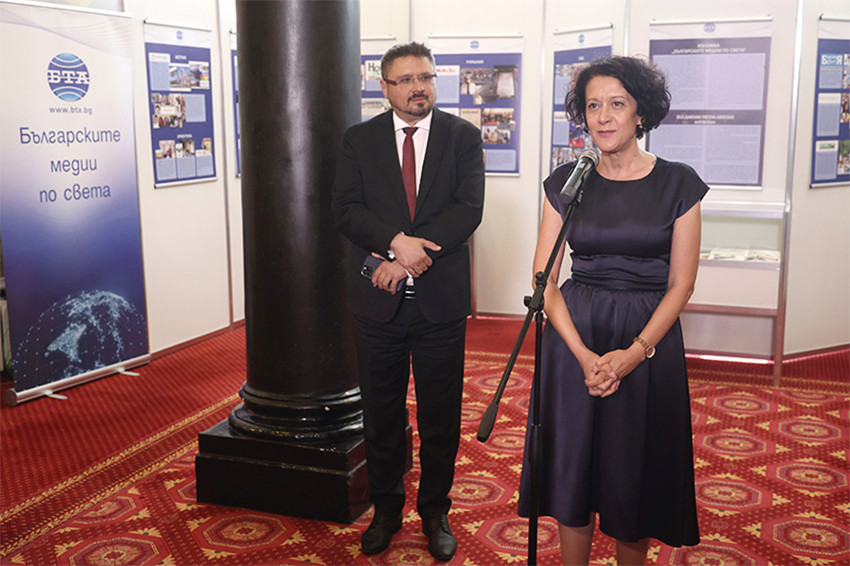
The establishment of a Public Council with advisory functions to the Commission for Bulgarians Abroad with the participation of representatives of the BNR and BNT was also among the ideas discussed during the mandate, but the idea later changed:
"It turned out that the establishment of such a council only on the basis of organizations working abroad was not a sufficient criterion. It is much better when the interested parties work on issues together with the institutions,” Antoaneta Tsoneva says.
When it comes to the work of the Bulgarian cultural institutes around the world, Tsoneva says that their leaders should have much stronger commitment to relations with the Bulgarian communities.
"There is a regulation of the Ministry of Culture for the election of heads of Bulgarian Cultural Institutes. It reads that in addition to their priorities, the directors must present the way in which they will reach the Bulgarian communities. At the moment, this regulation is at the stage of public discussion and I hope that this requirement, as well as more transparent selection and higher accountability, will lead to turning these 11 institutes into real attractive centers for the Bulgarian communities abroad."
Photos: Facebook/Antoaneta Tsoneva, Diana Tsankova, parliament.bg
English: Alexander Markov
Timișoara, a large multicultural city in western Romania, is the center of the historical community of the Banat Bulgarians . The members of this community are descendants of settlers from the Bulgarian lands nearly three centuries ago, who have..

In Gabrovo – a city in the geographical center of Bulgaria, once described as the Bulgarian Manchester, but today facing demographic challenges – there are young people who believe that the future can be better and that this largely..

For 15 years, Stela Nedkova has been living in Brussels . After completing her education in Bulgaria, she decided to test herself in a different reality to see whether she could handle life’s challenges on her own, without her parents’ help. Stela faced..







 Mostly Cloudy
 Rain
Rain Cloudy
 Значителна облачност със сняг
 Scattered showers
 Snow
Snow Rain / Snow
 Wet snow