After two years of pandemic, we welcomed 2022 with the hope for life to return to normal, incomes to rise and society to be back on track. Until, in February, the world faced another crisis - only this time on the war front. It dragged down economies across Europe and beyond, and in addition to fears about physical survival, people began to fear poverty. Although inflation has fallen slightly recently, the majority of Bulgarians are welcoming the New Year without much cause for optimism.
12 months in a row have passed in which Bulgaria has not come off the bottom of the rankings for the lowest incomes and the highest number of working poor in Europe. Curbing inflation and reducing social inequality were the two main economic goals set at the beginning of 2022, but now, at the end of the period, we can't help but admit that a lot went wrong during the year. Instead of improving their financial well-being, Bulgarians were once again urged to go to the polling stations and vote in yet another futile parliamentary election. How long will it be like this and is there a light at the end of the tunnel?
We find a degree of optimism in the words of economist Latchezar Bogdanov: "2022 was a pretty good year from an economic point of view, as far as we have data up to now," the analyst said in an interview with Radio Bulgaria. - Not only have we recovered from the pandemic and the problems it caused to both world and Bulgarian economies, but economic growth has been quite decent, unemployment is at a record low and private sector income growth is evident.
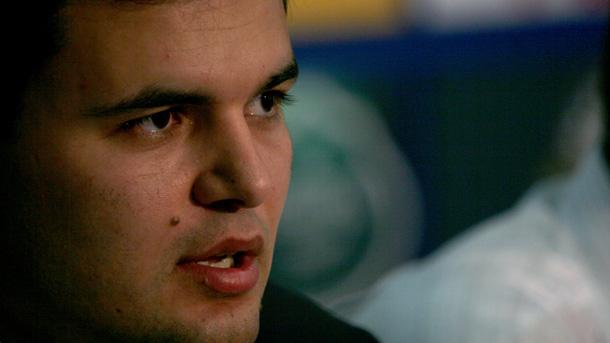
We have record levels of industrial production and exports. Tourism has recovered from the pandemic and the branch has actually had a strong season. In digital services, companies reported very good results for another consecutive year. The downside is the energy price crisis. To open a parenthesis, we have not even had an energy crisis in the sense of supply problems or electricity shortages. We do not have a problem with natural gas either, despite the supply cuts from Russia.
There are no power cuts for households, heating companies and businesses - the only problem is the price. And here we come to the big variable - it is high inflation or consumer price growth that makes the picture different from that of the previous decade. In other words, the economy is working, businesses are doing well, the labour market is doing well, but we have a clear rise in consumer prices and therefore that dominates the analysis of what has happened over the year."
On the eve of 2023, the economist sees cause for concern in terms of the global economic processes that will soon reach Bulgaria: "Bulgaria is a very open economy, so the recovery of the big powerful economies has almost directly reflected in better conditions and greater demand for Bulgarian products and Bulgarian tourist destinations. This was the case until 2022, but the outlook for next year is a little unclear - inflation, the reaction of central banks and monetary tightening with higher interest rates and harder access to credit will undoubtedly affect economic dynamics. All interest rate dependent activities will be hit. We need to brace ourselves for a scenario that will lead to a containment of inflation, but also to downsizing of some businesses and possible redundancies."
Another important topic that preoccupies the minds of economists and analysts in these turbulent times is Bulgaria's readiness to join the eurozone, announced as a goal for the beginning of 2024.
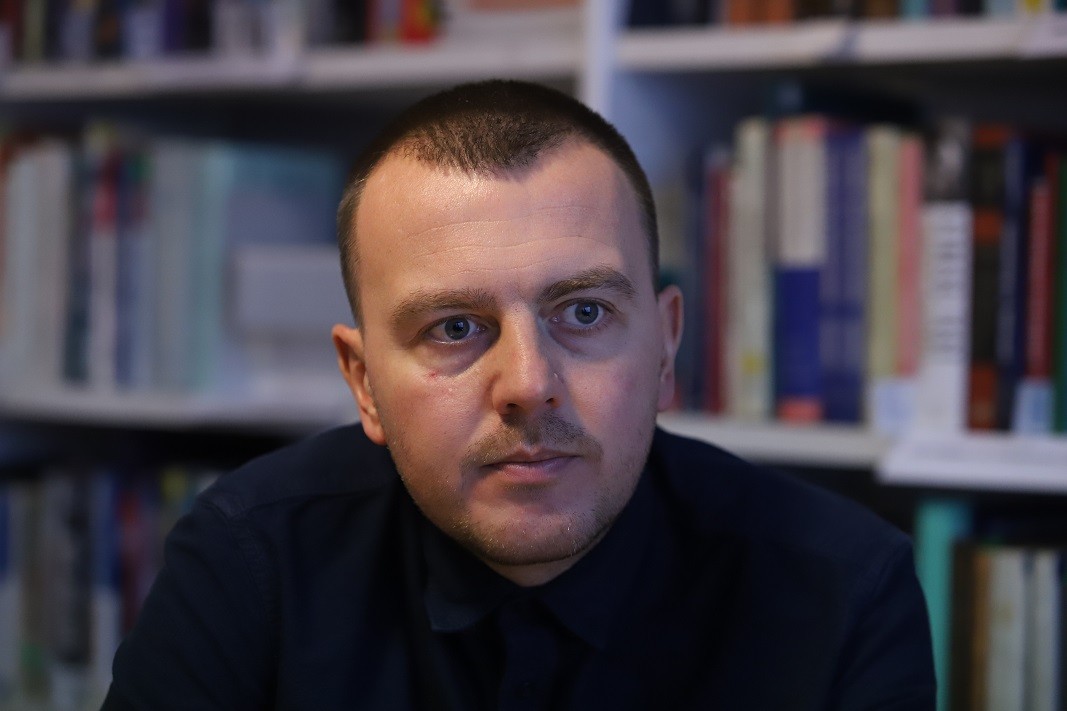
"We already have a 20-year history since our first aspirations to join it one day, even as early as the adoption of the currency board in Bulgaria," notes Petar Ganev, senior researcher at the Institute for Market Economics: "The specific steps we have taken in the last 4-5 years are: a letter of intent, commitments to be met in order to join the currency mechanism, entry into the waiting room, a two-year stay inside, then we had a set date for 2024 - this is a long process that follows its own logic. From now on, the question before us is whether we will be able to complete the remaining necessary steps. Joining the euro zone, or staying outside of it, is not something that automatically will turn our economy for the better or for the worse. Our prosperity depends on the policies we adopt - fiscal, labour market changes, transformation of the economy towards higher value added production.
In fact, there are some elements that can accelerate these processes. For example, by raising our credit rating, by sending good signals to the outside world, by revealing our potential to attract investors and, last but not least, by offering a higher degree of security
Bulgaria’s Ministry of Finance has published the draft state budget in euros for 2026. The country’s GDP is projected to reach EUR 120.1 billion, with an economic growth rate of 2.7%. Planned revenues amount to EUR 51.436 billion, or 42.8% of GDP...

In 2024, 8.2% of people aged 18 or over who declared to be at work (either employed or self-employed) in the EU were at risk of poverty, according to data from Eurostat, cited by the BNR's Horizont channel. In Bulgaria, this share reached 11.8%. The..
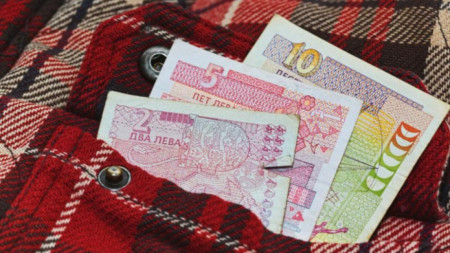
The two largest trade unions in Bulgaria - the Confederation of Independent Trade Unions in Bulgaria and the Confederation of Trade Unions "Podkrepa" - are organizing a warning protest in front of the Council of Ministers building. It is planned for..



 Mostly Cloudy
 Partly Cloudy
 Clear
Clear