As far back as the Roman Empire, thermal mineral waters were considered an invaluable natural resource, both for their health benefits and as a free source of heat. The baths were also a centre of social life and culture. It is not surprising that since ancient times towns and villages have been built around thermal springs. As for Bulgaria, according to some sources, in 681 the state was established in these latitudes precisely because of the thermal baths near Anchialos (today Pomorie), built in the 4th century by Emperor Justinian the Great.
More than half of Europe's 6,000 mineral springs are located in Bulgaria today, but unlike other countries, it does not make full use of them. By this indicator, the capital Sofia is among the most abundant settlements in the world, with 31 separate thermal water deposits with a total of 75 hot springs.
After the liberation of Bulgaria from Ottoman rule in 1878, many of the country's famous healing mineral waters found intensive use. The state spared no expense in building the emblematic baths and held competitions for their architectural designs:
"These are all castles dedicated to the mineral water - notes arch. Ivaylo Zahariev from the Bulgarian Association for Thermal Heritage in an interview with BNR - Majestic buildings designed for people to gather. For example, the Central Mineral Baths in Sofia is the largest building constructed during the Third Bulgarian Kingdom (from 5 October 1908 to 15 September 1946 - ed.) It was built on the central square, after the fashion of many European countries that have such baths."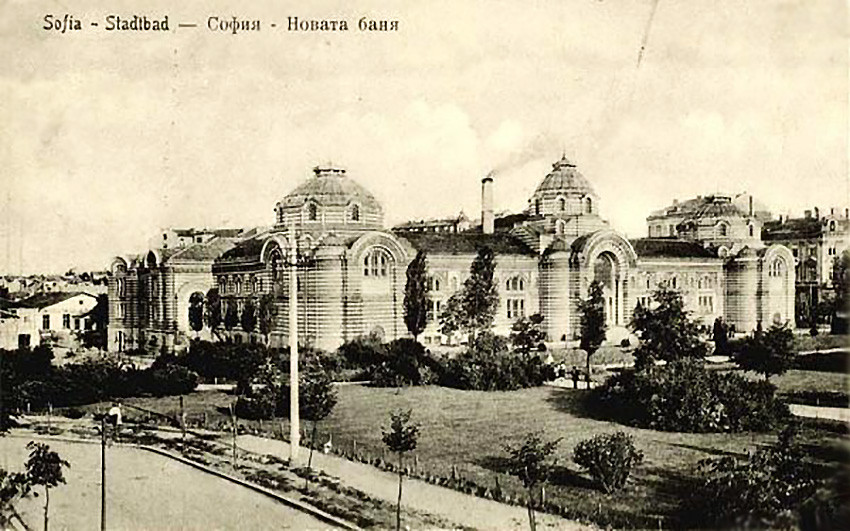
And if years ago the mineral baths in the now capital city neighborhoods of Knyazhevo, Gorna Banya, Ovcha Kupel, built by famous Bulgarian architects such as Yordan Milanov, Petko Momchilov and Georgi Ovcharov reflected the spirit and dignity of the era, today they are left to slowly erode under the burden of time and the carelessness of the Bulgarian leaders. Such is the fate of the Central Baths in Sofia, part of which has been turned into a museum.
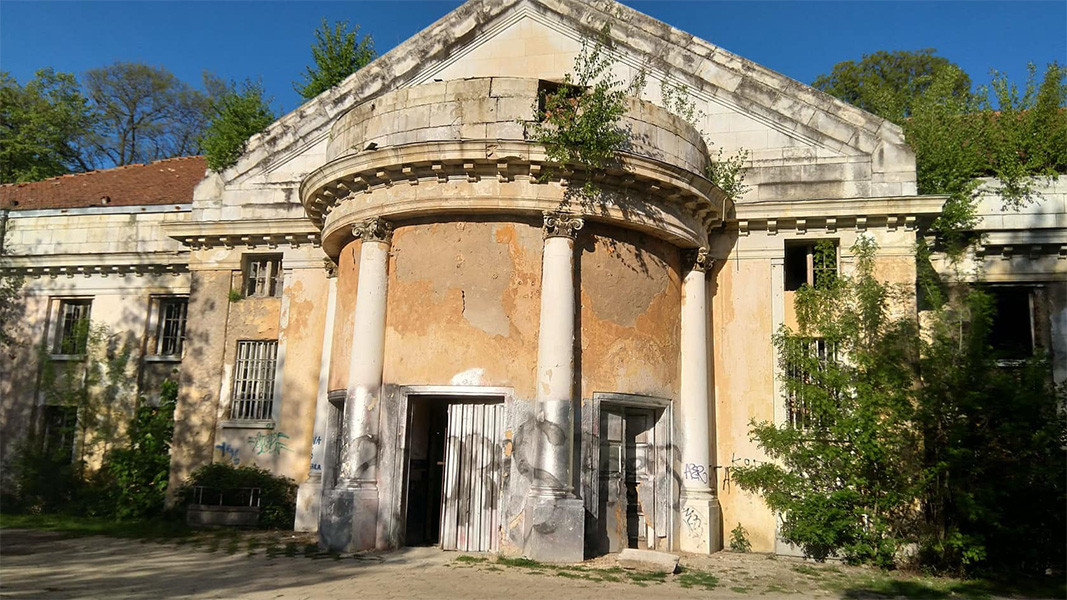 "These baths are built on hot springs with all their natural riches. The Museum of Sofia could be housed in the Royal Palace, which is now part of the National Gallery - the main collection in the Museum of Sofia is from the Palace anyway - and the baths could be used as baths, arch. Zahariev suggests. In this way, preserving its original function, we would also preserve the thermal culture, which is on the verge of dying out. Instead, icons and an iconostasis are now arranged in one of the pools of the Central Baths. It is questionable whether this is the right attitude to both the icons and the Baths."
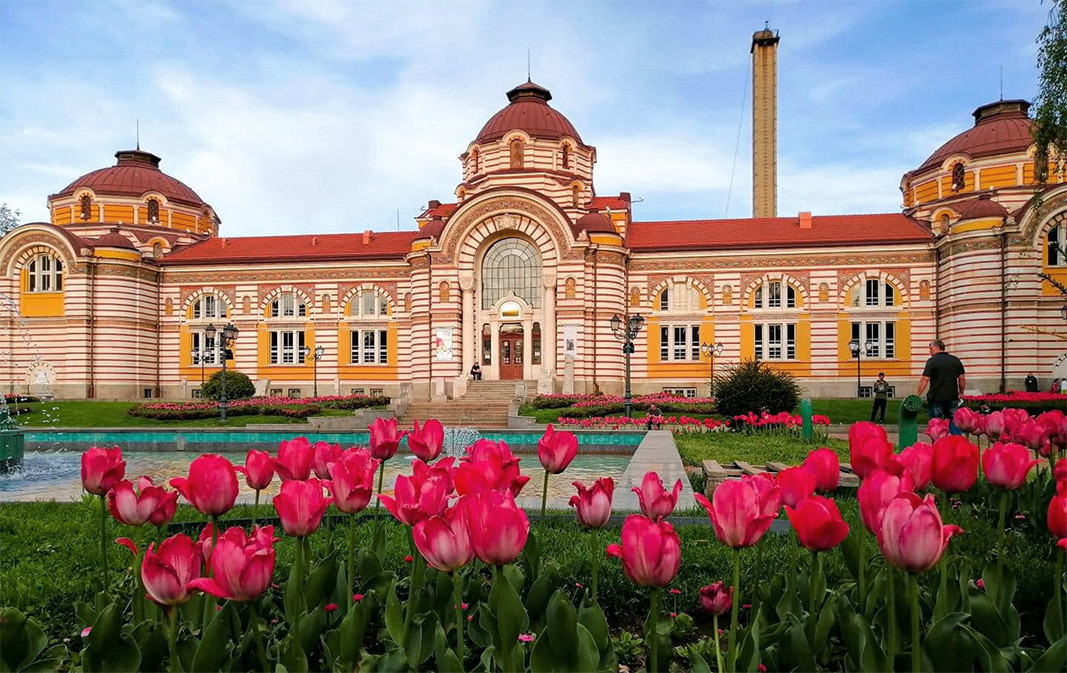 "Wonderful baths! This should be used as such!", exclaimed some time ago the world-famous Japanese architect Kengo Kuma, who visited the country on the occasion of the Days of Japanese Culture in Bulgaria in 2019.
And what would Sofia look like today if at least some of these thermal springs were used - not only for spa treatment and drinking, but also for home heating? Especially now, when the utilization of natural sources of energy is being talked about more and more? Only 15 - 20% of the total resources of Sofia's mineral waters find use today.
Just for comparison, in the last 25 years the use of mineral springs has decreased by more than 50% and most of the hot spring baths have been closed. As far as heating with thermal water is concerned, it has long been out of use.

Photos: BGNES, Darina Grigorova, Facebook / @thermalassociationbg, archive
Text: Darina Grigorova /based on an interview by Bozhidar Alexandrov, BNR-"Hr.Botev"/
Bulgaria’s Ministry of Tourism participated in the most significant international tourism exhibition in Japan— Tourism Expo Japan (TEJ), held from September 25 to 28, 2025, at the Aichi Sky Expo exhibition venue in Nagoya, Aichi Prefecture...
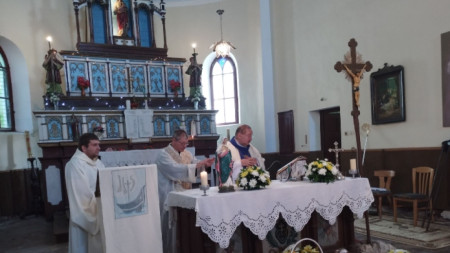
The story of Gostilya is a journey back in time, showing how the tiny Catholic community there has managed to preserve its identity and faith despite the ups and downs of history. Located in north-western Bulgaria, the village is one of the last..
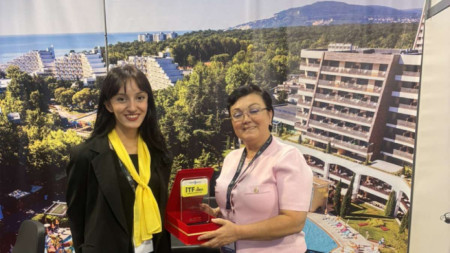
Albena JSC is the only Bulgarian tourism company among nearly 300 firms participating in the International Tourism Fair (ITF) in Istanbul. '' What makes us happy is the great variety of participants. Alongside Turkish companies, there are companies..





 Значителна облачност със сняг
 Cloudy
 Rain / Snow
 Snow
Snow