115 million children globally are engaged in hard work, children are the driving force in high-profit industries such as metalworking, construction, textiles, electric car battery manufacture, indicate International Labour Organization (ILO) data. The ILO says that the problem affects both the industrialized and the developing countries, while military conflicts, crises and the Covid-19 pandemic pushed more families into poverty which has forced millions of children to enter the labour market. Child labour has permanent negative consequences because it deprives them of an education and hence of any prospect of earning a decent income as adults, the ILO says.
In Bulgaria, there is no labour exploitation of children, because for decades labour by minors (up to the age of 18) has been regulated by law, and there are harsh sanctions for any violations. Child labour is prohibited in this country until the official age limit of mandatory education – for Bulgaria it is 16. That is the reason why the regulation requiring mandatory permits by the Labour Inspectorate for hiring persons aged 16 to 18, is applied more and more often in this country. An important requirement is that employers apply for and are issued a permit for the specific job for which they want to hire the 16-18-year-olds, and they have no right to include them in any other kind of activity. The Labour Inspectorate then makes frequent inspections of the job in question, monitoring stress levels or other factors that have a harmful effect on the physical and mental development of the employed individual.
Despite the higher administrative requirements when hiring juveniles, interest in them as a labour market resource has been growing, the General Labour Inspectorate says. In Bulgaria, 16 to18-year-olds are in demand in the hotel and restaurant industry, and in trade. Most of the activities connected with these jobs can be performed by juveniles, and this year the inspectors are registering a peak in the number of 16-18-year-olds hired even before the start of the summer vacation.

“Before the pandemic, we issued 8-9,000 permits a year, now their number has reached 12,000,” says Dina Hristova-Ignatova, expert at the General Labour Inspectorate in an interview with Radio Bulgaria and adds:
“Permit applications start coming in from May and June, so they can start work in July, at the beginning of their summer vacation. Interest by the hotel and restaurant sector has soared – during the pandemic they were closed and there was no demand for 16-18-year-olds. Interest has now more than tripled. As a matter of fact, the demand and hiring of this segment of the labour force speaks unequivocally of a boost in the economy. It is definitely a sign of economic progress, because in times of stagnation employers only rely on workers who are over 18 to avoid waiting for a permit, the possible risks connected with employing juveniles, and the time and resource needed to train them.”
The right to work of 16-18-year-olds is strictly regulated by law, and is also well protected by the state. To this end, the Labour Inspectorate advises juveniles, though inexperienced, to always require a signed labour contract with their employer. The administrative side of the matter is a difficulty juveniles may come up against, but it should not stop them from taking a job, says school psychologist and therapist Kalin Gaytandzhiev. “Work has a positive effect, helping a child’s psyche develop, so childhood is not a hindrance to working, nor is working a hindrance to childhood,” he says in an interview with the BNR’s culture channel Hristo Botev:
“When work is connected with a sense of meaning, of personal significance, then it has a favourable effect on the child’s psyche, creating a feeling of success, a feeling that the young person matters. And that makes for a smooth transition from childhood to adulthood.”

Translated from the Bulgarian and posted by Milena Daynova
Photos: Pixabay, BGNES

The Bulgarian minority in Romania marked a significant event with the official opening of the Bulgarian Inn in the village of Izvoarele (Hanul Bilgarilor), Teleorman County (Southern Romania)- a locality with Bulgarian roots dating back over 200 years...

The 14th edition of DiVino.Taste, Bulgaria’s leading forum for wines and winemakers, will take place from 28 to 30 November at the Inter Expo Centre in Sofia. Over 80 producers from all wine regions will participate, offering tastings of around 600 of the..
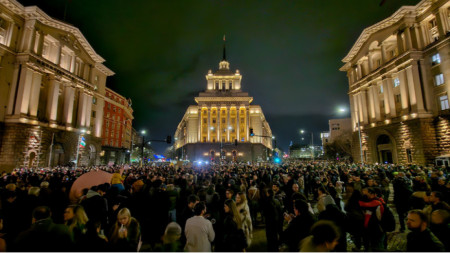
Minutes before the second and final reading, at the parliamentary budget and finance committee, of the state budget for 2026, the leader of the biggest party represented in parliament GERB Boyko Borissov halted the procedure and sent the draft bill..







 Overcast, rain
 Rain / Snow
 Cloudy
 Scattered showers
 Cloudy
 Rain
Rain