The level of the formal economy in Bulgaria is rising at a pace that brings it closer to the European benchmark of 85%. According to a study by the Bulgarian Industrial Capital Association (BICA), the formal sector increased by 23% in the last 12 years. Bulgaria's formal economy is catching up with the average European percentage, but remains far behind the Scandinavian countries and Northern Europe which top the ranking.
Since 2010, when the survey began, the share of the informal economy has declined by 15%, BICA Executive Director Dobrin Ivanov said for BNR. The trend slowed down only during the financial crisis in 2014 and during the peak of the Covid-19 pandemic in 2020. "I think that Bulgaria is unfairly called the most corrupt country and the country with the largest grey economy", said Dobrin Ivanov.
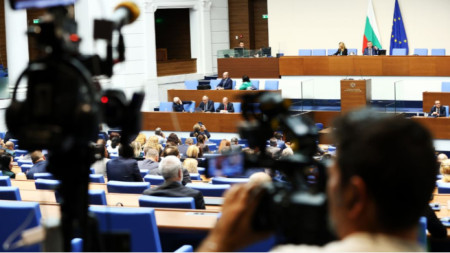
The draft state budget was adopted in first reading by the National Assembly on November 21. However, the planned changes in the financial framework for 2026 triggered an open clash between the ruling coalition, led by GERB party, and the opposition..
KBC Group expects the Bulgarian economy to grow slightly more next year in comparison to its previous forecasts, according to the conclusions of the Belgian financial group's latest assessments of the economies of Central and Eastern..
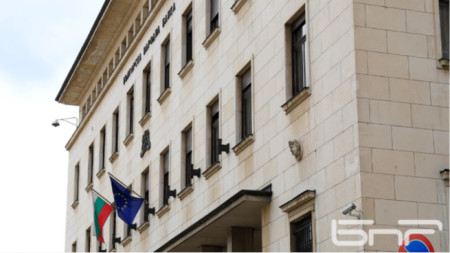
Foreign direct investment (FDI) in Bulgaria posted the largest net inflows from the Netherlands, Italy and Greece in the first half of 2025, the Bulgarian National Bank (BNB) said. Net FDI inflows totalled €554.9 million from the Netherlands, €325.2..



 Mostly Cloudy
 Cloudy
 Cloudy
 Scattered showers