The level of the formal economy in Bulgaria is rising at a pace that brings it closer to the European benchmark of 85%. According to a study by the Bulgarian Industrial Capital Association (BICA), the formal sector increased by 23% in the last 12 years. Bulgaria's formal economy is catching up with the average European percentage, but remains far behind the Scandinavian countries and Northern Europe which top the ranking.
Since 2010, when the survey began, the share of the informal economy has declined by 15%, BICA Executive Director Dobrin Ivanov said for BNR. The trend slowed down only during the financial crisis in 2014 and during the peak of the Covid-19 pandemic in 2020. "I think that Bulgaria is unfairly called the most corrupt country and the country with the largest grey economy", said Dobrin Ivanov.
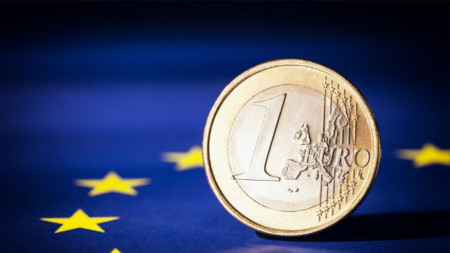
In its “Questions and Answers” section on the introduction of the euro, the Bulgarian National Bank has published a clarification on how the single currency should be denoted and written in accordance with EU regulations. The name of the..

The government approved the draft Law on the 2026 State Budget, as well as the Updated Medium-Term Budget Forecast for the 2026–2028 period. In connection with the introduction of the euro on January 1, 2026, all figures have been prepared in..
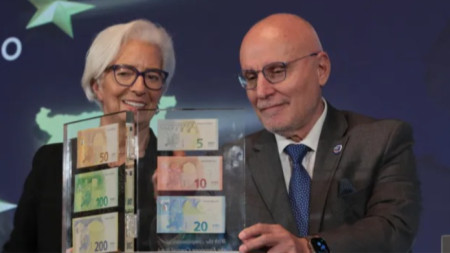
Citizens should remain calm about the introduction of the euro in Bulgaria from January 1, 2026, as the Bulgarian National Bank and commercial banks are ready for all processes related to the currency conversion and distribution of euro banknotes. This..




 Mostly Cloudy
 Cloudy
 Cloudy
 Scattered showers