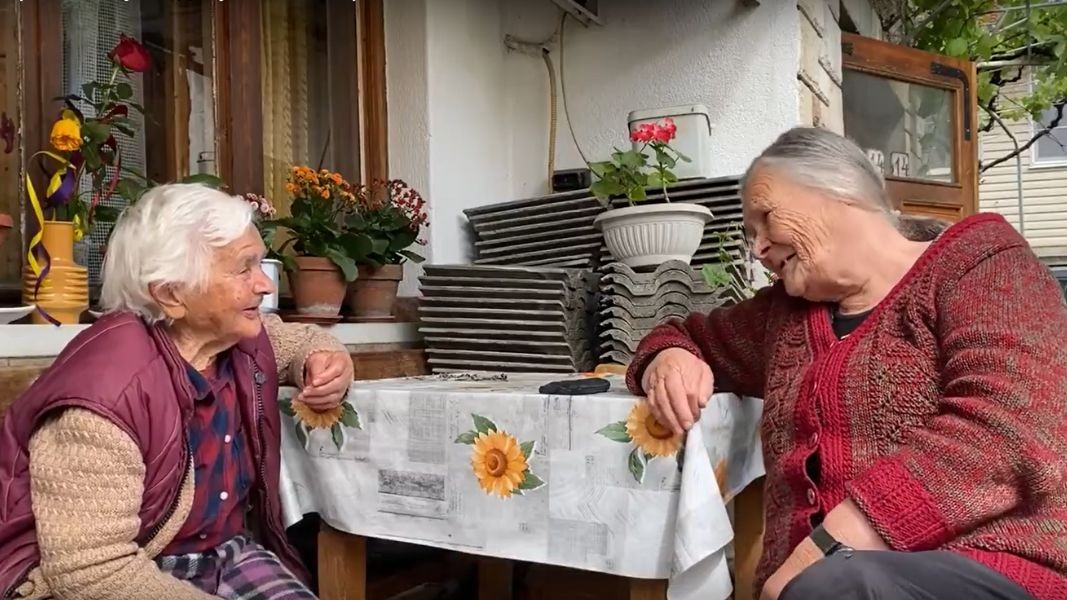
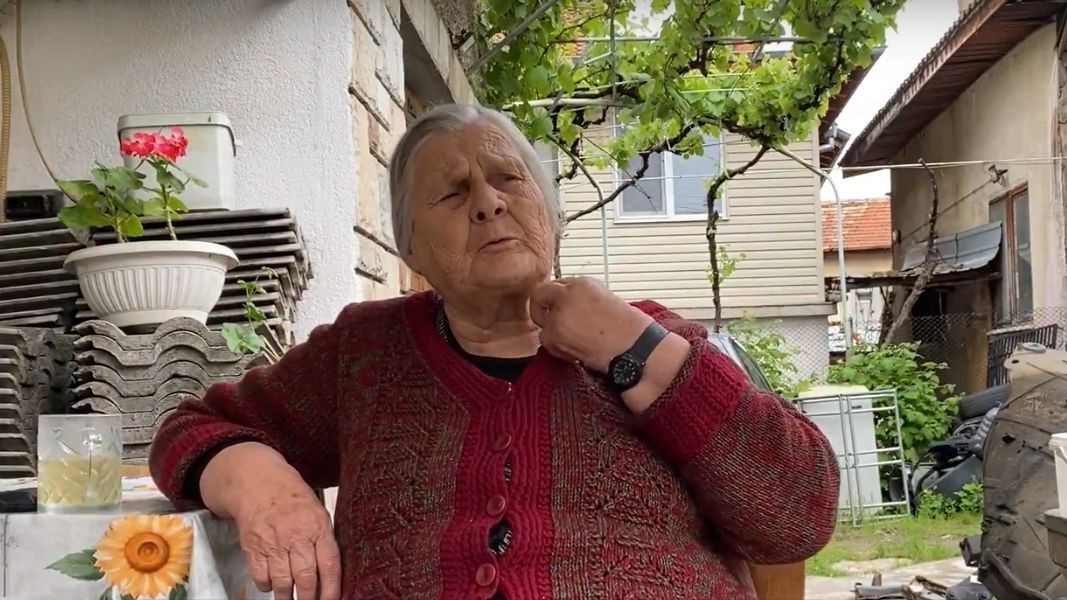
Maria Valkova's documentary "A Matter of Taste" tells about "life once upon a time" with love, respect and without a political flavour. The idea for its creation was born during a lunch, when Maria once again saw the simple food with which her grandmother satisfied her hunger and decided to collect and preserve authentic recipes and stories about life from 70-90 years ago in her native Velingrad. In addition to her relative, the film includes four other elderly ladies, whose lives are a veritable treasure trove of knowledge about a simple and modest life, which remained in the memories of generations until the beginning of XXI century, who enjoyed spending summer vacations with grandparents in a village.
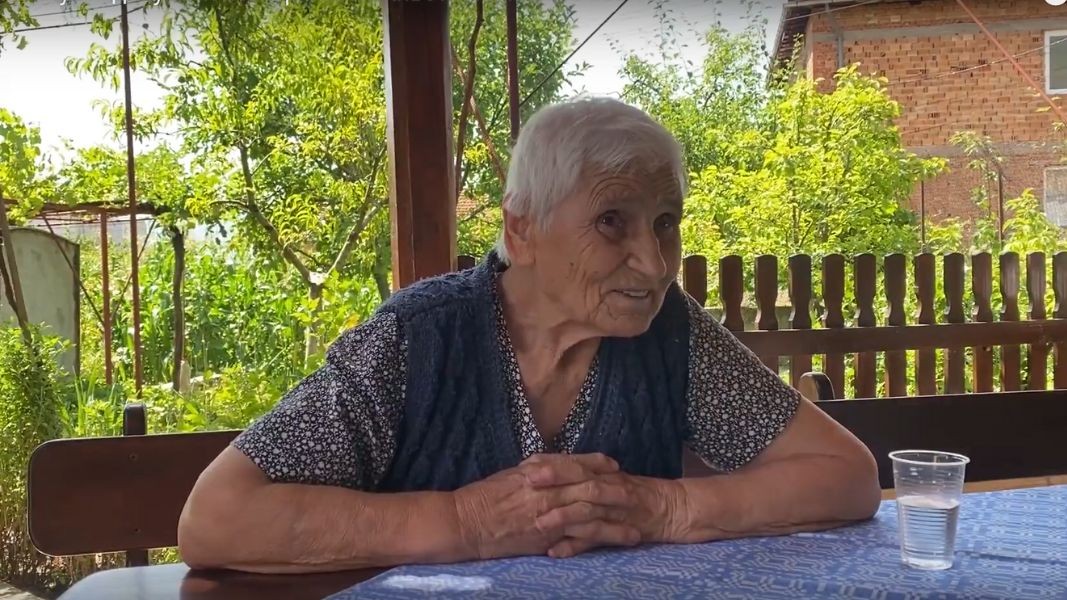
"I have a lot of material that is not in the film, as there are a total of over 30 hours of recorded interviews, full of many personal stories, related not only to everyday life, but also to how women live today,” Maria Valkova said in an interview with Radio Bulgaria. “There are many stories, some of which are scandalous from the point of view of what they reveal, as the relationships were quite harsh. There are stories about many topics that we hint about in the film. For example, the topic about hygiene. These stories are yet to be transcribed in order to be included in a big book, which will be as close as possible to the original way of speaking of these people, as I will try to preserve their authentic dialect."
A similar book, although not as big, has already visited Velingrad and an artistic space in Sofia as part of an exhibition. It contains the recipes for the modest meals that were most often present on the table:
"Their food was simple and with some basic products produced by themselves, such as corn, respectively corn flour, different types of beans, potatoes, which were also several varieties as well as fermented cabbage juice,” Maria says and tells us about her favorite recipe: “Corn with ash, something extremely rare and specific for the region."
Another interesting recipe is the so-called "fried milk":
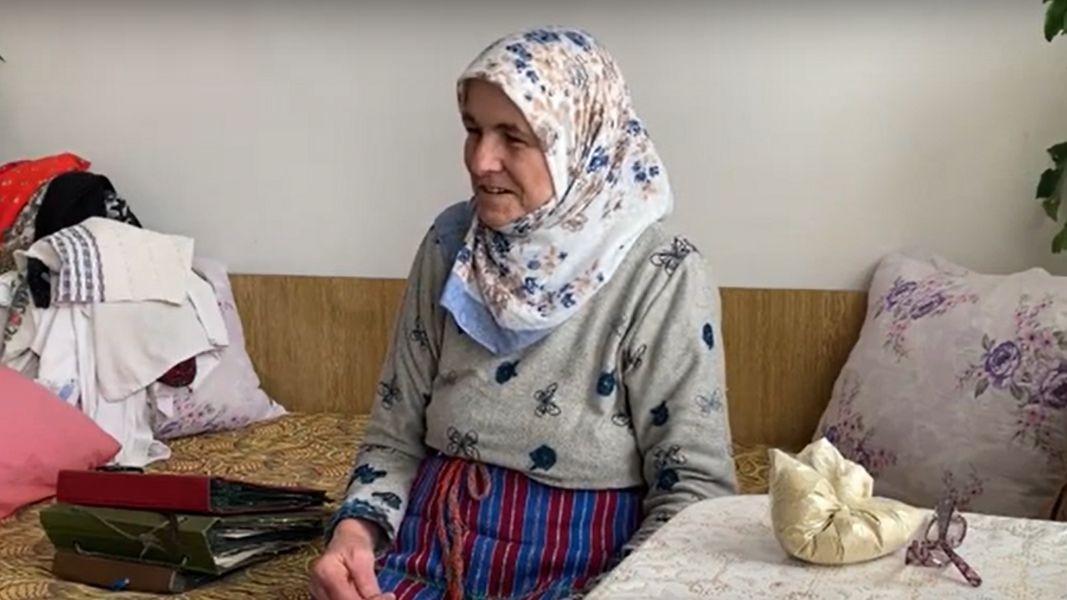
"It was prepared when a baby was born, especially in the village of Draginovo, which is near Velingrad and has a Muslim population. It consists of yogurt in a plate, as melted butter is poured over it and salt can be added. The interesting thing is that now the grandchildren of one of the participants in the film continue to want to eat ‘fried milk’. So, this recipe will probably continue to exist.”
The comparison between women’s lives before and the one they have today can be startling. The reason is the different times and way of life today:
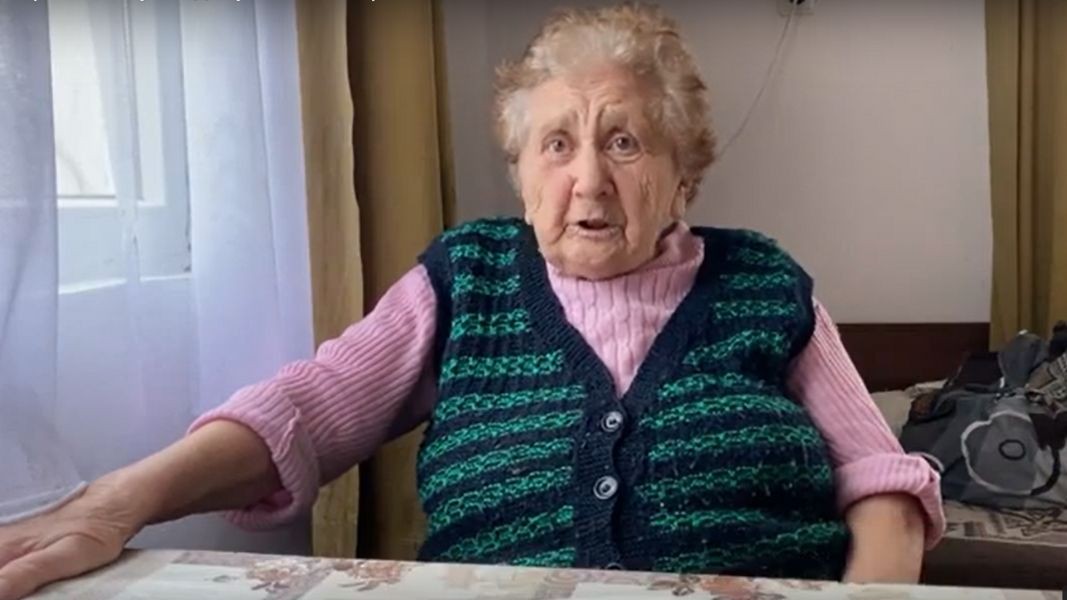
"In their childhood, they lived in houses with dirt floors. They had no electricity, no water, their daily life was extremely different, whereas now they have refrigerators and television sets and some of them even use smart-phones, which is amazing," Maria says but adds that in their way of life they have still managed to preserve some of the valuable habits, such as throwing away as little garbage as possible, and reusing everything possible.
Their "coexistence" with television sets has also made them very critical of what is happening outside the walls of their homes, as well as in the world.
Publication in English: Al. Markov
Photos YouTube/ Dimana Shishkova

The diplomas from the 11th master class in radio journalism of the Bulgarian National Radio – BNR Academy were awarded at a solemn ceremony on November 14. The lectures and practical classes in modern forms of radio journalism build on the professional..
Italy investigates claims of hunting of people in Sarajevo in the 1990s The prosecutor's office in Milan has launched an investigation into shocking reports of organized "sniper safaris" in Bosnia during the war in..
Albania and Bulgaria have joined forces in the name of one more child being born. In the late afternoon of November 7, the first-ever free reproductive medicine checkups, led by Bulgarian specialists, began in the Albanian town of Korçë — a region..






 Mostly Cloudy
 Cloudy
 Partly Cloudy
 Cloudy