Podcast in English
Text size
Bulgarian National Radio © 2026 All Rights Reserved

Circle of Life: How the Eastern Rhodopes became a model of a restored ecosystem

Photo: Veneta Nikolova

The Eastern Rhodopes are one of the few places in Europe where the balance of nature has been restored almost to the state it was in two centuries ago. Here, ecosystems function naturally. In other words, animals and plants coexist in harmony without significant human intervention. This is due not only to the favourable climate, but also to the long-term efforts of conservationists. They are actively working to close the loop of the food chain in the area by reintroducing extirpated species.

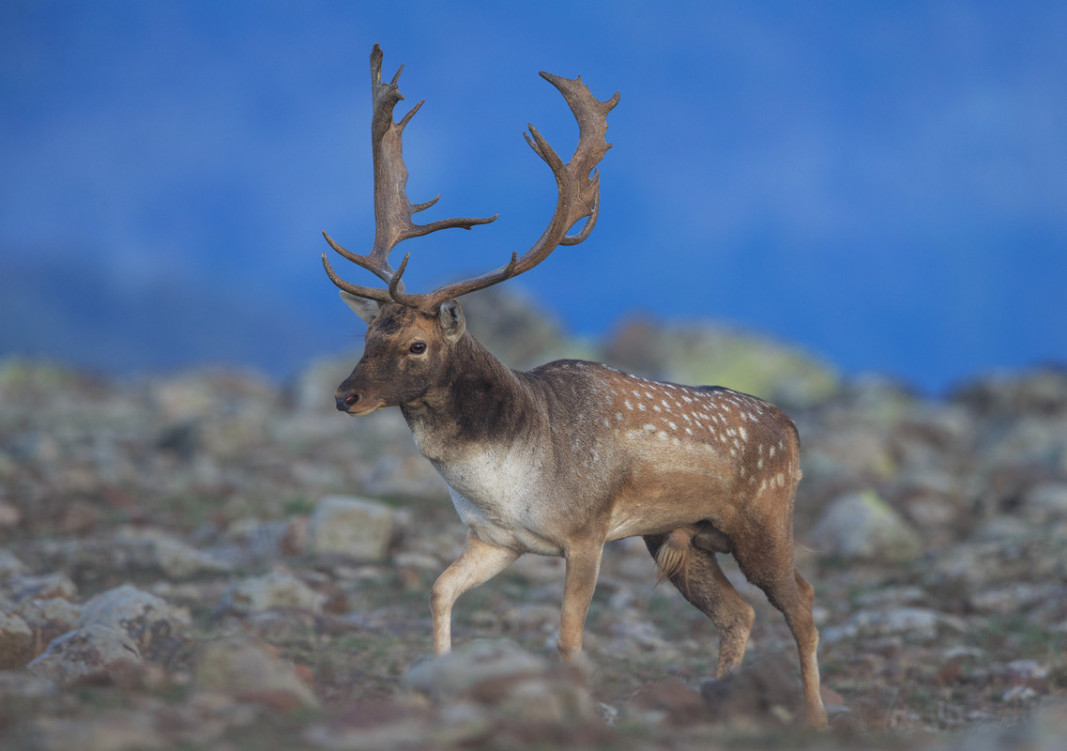
Fallow deer
In the last 10 years alone, more than 1,000 fallow deer and over 150 red deer, 19 European bison and around 150 wild Konik horses, 143 pairs of Eurasian griffon vultures and a further 17 of the rare cinereous vulture have been released into the wild. The animals are now breeding successfully. The circle of life is complete and the ecosystem is once again in balance.

The first step in this direction was the reintroduction of the griffon vulture a few years ago, explains Andreana Trifonova, head of the Rewilding Rhodopes Foundation, which is dedicated to nature restoration and conservation in the region.

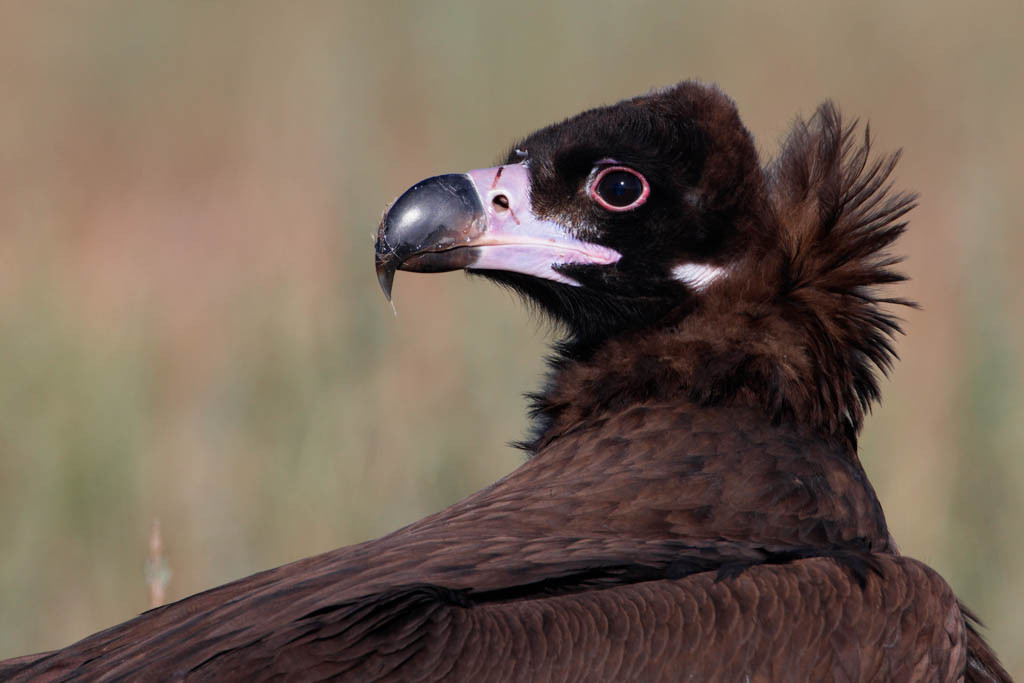
Cinereous vulture
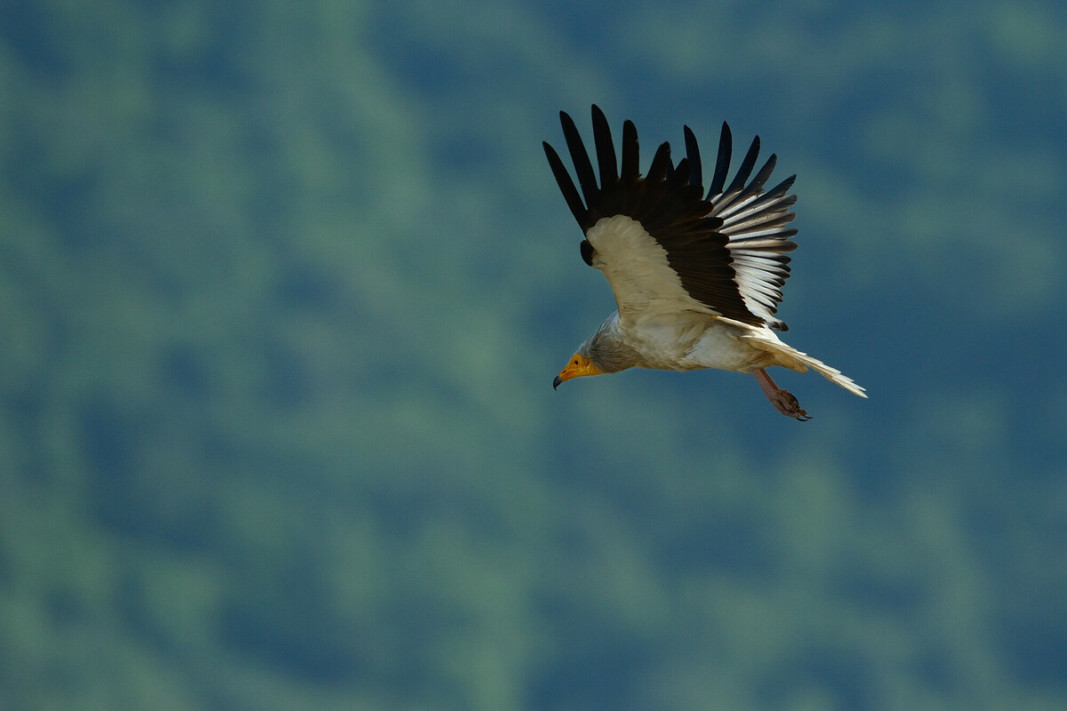
"For several years now, we have been running a programme to reintroduce the cinereous vulture, which was once native to the region, to complement the more numerous griffon vulture. The Rhodopes are also home to the Egyptian vulture. These birds are all carrion feeders and sit at the top of the food pyramid. Our main efforts are focused on restoring these species and increasing their populations, as they play a crucial role in natural processes and the food chain. In other words, they are a key factor in maintaining the region's biodiversity.

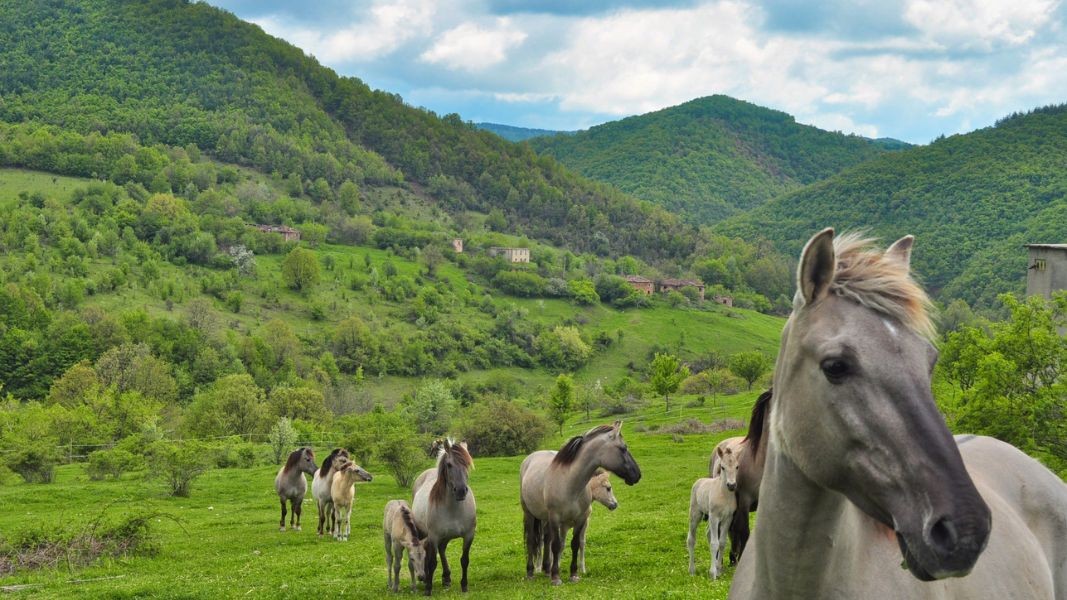
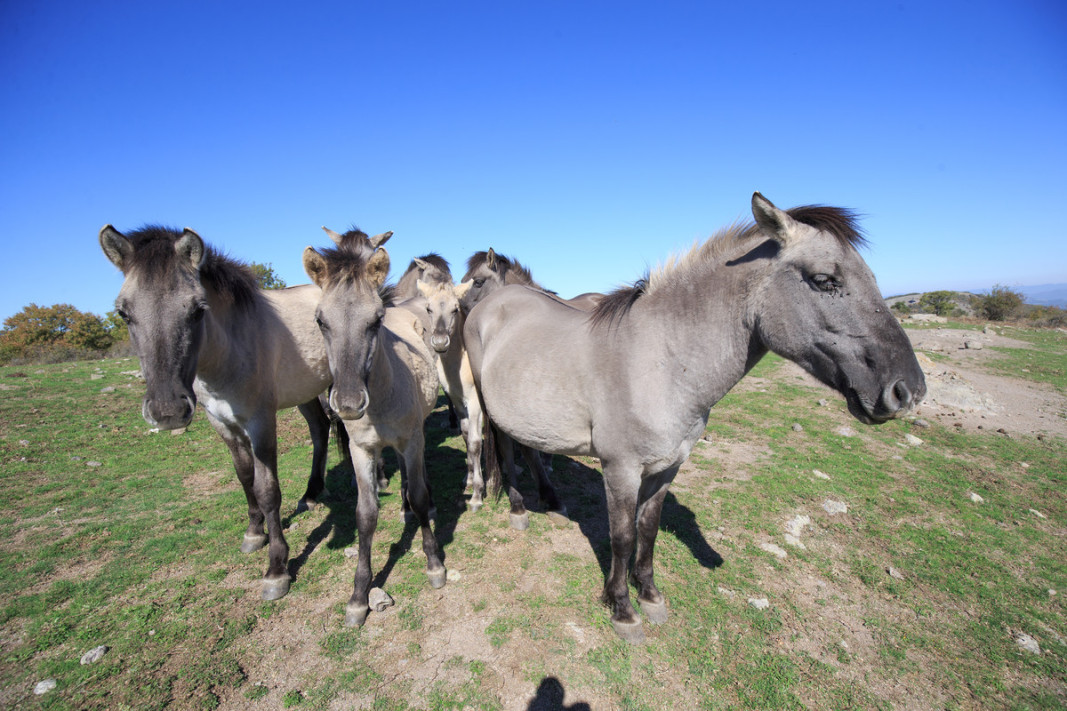
But perhaps one of the most exciting projects in the Eastern Rhodopes was the reintroduction of the konik horse more than a decade ago. "Many years ago they thrived all over Europe, but the konik is now regionally extinct. Polish colleagues managed to restore the breed using a preserved genome," Trifonova explains. Now these small but hardy ponies are adapting well in the Eastern Rhodopes.

Koniks are the modern descendants of the extinct tarpan horses.
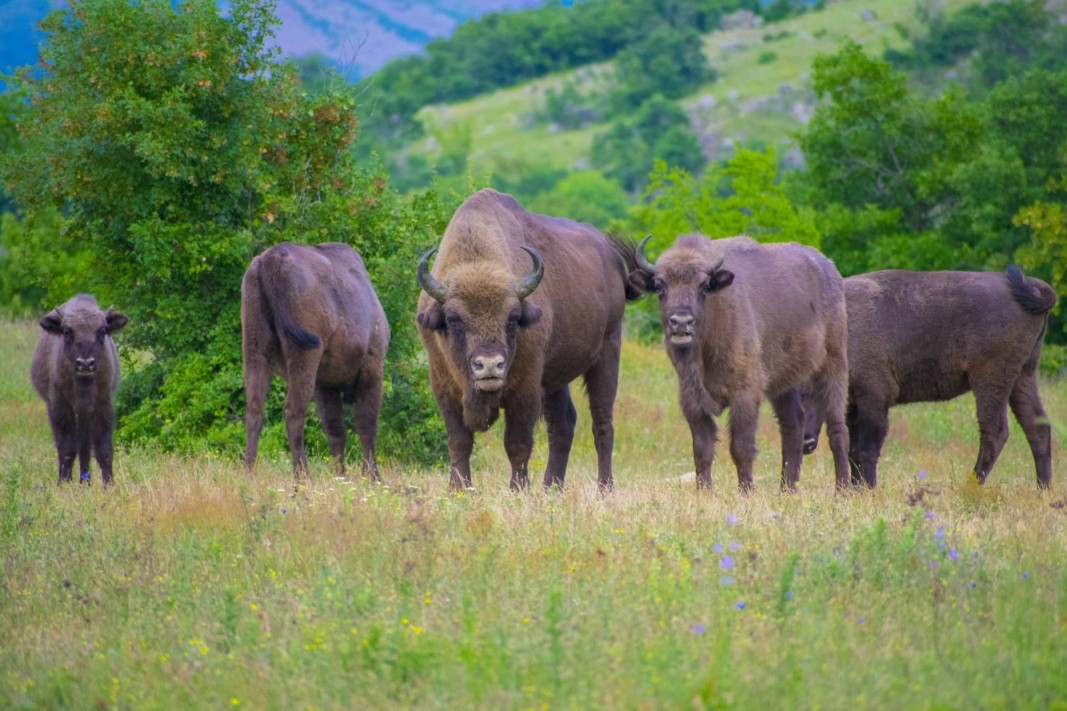
An important factor in restoring the balance of nature in the area was the return of the bison ten years ago.
It is the largest herbivore in Europe and its reintroduction is one of the greatest conservation successes in Europe," says Trifonova. - Its role is essential; it maintains open spaces and contributes to the mosaic landscape - the alternation of open areas with wooded zones, which in turn creates habitats for other species. Today, about 20 wild bison roam near the Studen Kladenets dam, and there are another five behind an adaptation fence in the Zhenda forestry, which will soon be released to continue their role in the ecosystem," Trifonova explains.

Bisons
Conservationists are also working to restore populations of fallow deer and red deer. Gradually, all levels of the food chain are returning to the Eastern Rhodopes, including large carnivores such as wolves and nature's "cleaners" - the griffon, cinereous and Egyptian vultures.

It turns out that this is one of the few places in Europe where we can observe a closed food chain. In other words, nature has almost completely regained control of the cycle of life in the mountains. "For example, when a horse dies, its flesh is quickly digested by predators and scavengers, preventing the development of viruses and parasites without human intervention. The animal is thus recycled into the ecosystem naturally, without posing risks to other animals," Trifonova concludes.

Egyptian vulture


Photos: Veneta Nikolova, rewilding-rhodopes.com
Posted in English by E. Radkova


Последвайте ни и в Google News Showcase, за да научите най-важното от деня!
Listen to the daily news from Bulgaria presented in "Bulgaria Today" podcast, available in Spotify.

More from category

The sounds of Balkan rhythms and passionate flamenco warmed the hearts of the Bulgarian community in Washington.

The Bulgarian Embassy hosted the second concert of the 17th season of the Bulgarian Music Society in Washington.  On 14 November, guests enjoyed a unique show by two world-class artists, both originally from Bulgaria: Desi Jordanoff, a folk dance master,..

published on 11/18/25 4:23 PM

AI helps personalise learning in Bulgarian schools

Generation Z students (born 1995–2012) are widely using artificial intelligence in their learning, with teachers reporting that more than 85% complete homework and study with the help of digital assistants. Children tend to see AI as a partner..
published on 11/17/25 3:50 PM

Christmas is possible as early as November – Sofia in lights, bazaars and festive coziness

This year, Christmas has "arrived" in Sofia as early as November with the aroma of mulled wine, cinnamon and festive magic. Radio Bulgaria recommends that you visit some Christmas spots in the Bulgarian capital city: For those most impatient to..

published on 11/17/25 3:08 PM