Metropolitan Arseniy of Sliven has spoken out against the nestinari (fire dancers), prohibiting them from using icons during their rituals. This announcement was made on the Sliven Metropolis's official website and Facebook page.
In his statement, the bishop said that this custom was not original, describing it as plagiarism and imitation of pagan cults from ancient Greece and the Orient.

Nestinarstvo, a folk tradition honouring Saints Constantine and Helena, has strong roots in the Strandzha Mountains, where the celebration is called Kostadinovden. A key element of the ritual is dancing barefoot on burning embers. Both men and women can become nestinari, although women are required to be beyond childbearing age.
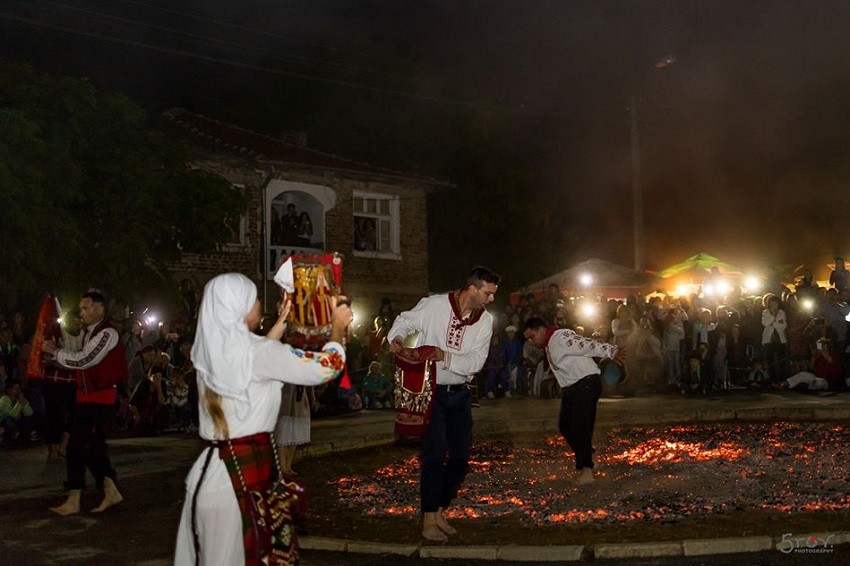
Nestinarstvo is also part of Bulgaria's cultural identity and is recognised by UNESCO as intangible cultural heritage.
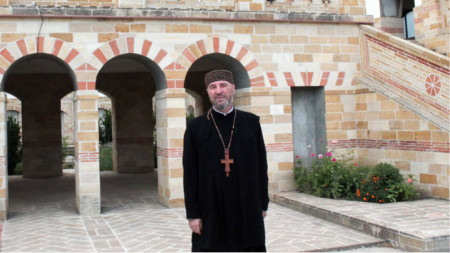
Father Genadiy Martinov is a Bessarabian Bulgarian, born in the village of Devetliy, Odessa province (Ukraine). Two centuries ago, his family lived in Eastern Thrace, near Edirne, but after the end of the Russo-Turkish War (1828–1829), during a period..
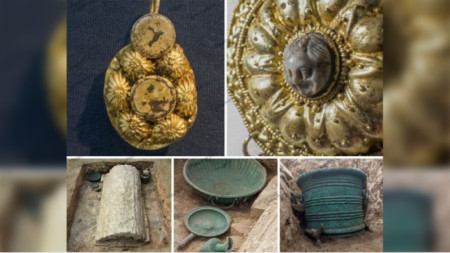
An intact grave of a young woman dating to the beginning of the 2nd century AD has been discovered by archaeologists near the village of Kapitan Petko Voivoda, Topolovgrad Municipality announced. The team that made the discovery is led by Daniela Agre..
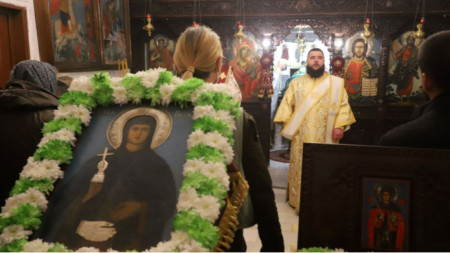
On October 14, the Bulgarian Orthodox church pays homage to Saint Paraskeva, also called St. Petka of Tarnovo and the day is known in Bulgaria as "Petkovden". Saint Petka was born in the 11th century in the town of Epibat, on the Sea of..






 Cloudy
 Mostly Cloudy
 Partly Cloudy
 Fog
Fog