Metropolitan Arseniy of Sliven has spoken out against the nestinari (fire dancers), prohibiting them from using icons during their rituals. This announcement was made on the Sliven Metropolis's official website and Facebook page.
In his statement, the bishop said that this custom was not original, describing it as plagiarism and imitation of pagan cults from ancient Greece and the Orient.

Nestinarstvo, a folk tradition honouring Saints Constantine and Helena, has strong roots in the Strandzha Mountains, where the celebration is called Kostadinovden. A key element of the ritual is dancing barefoot on burning embers. Both men and women can become nestinari, although women are required to be beyond childbearing age.
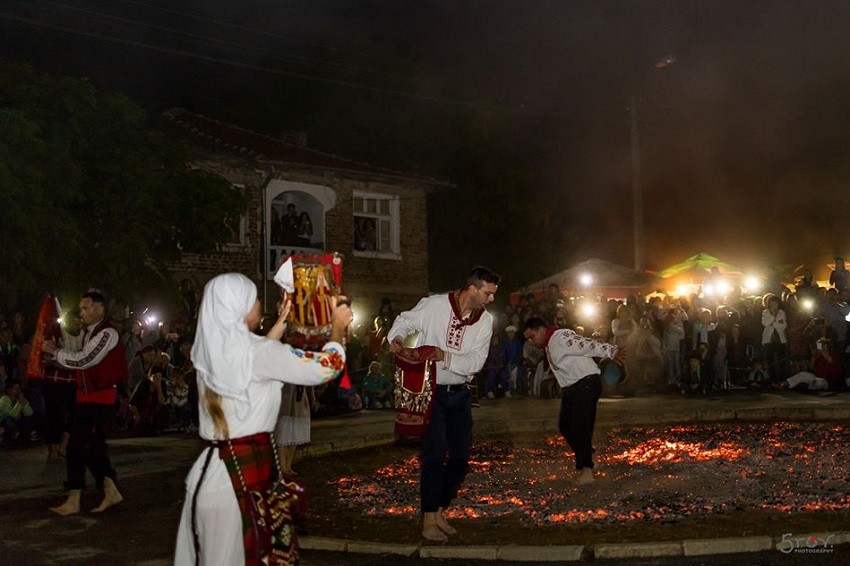
Nestinarstvo is also part of Bulgaria's cultural identity and is recognised by UNESCO as intangible cultural heritage.
In today’s world, where material values overshadow the spiritual, reflections on the salvation of souls somehow remain in the background. The constant race against time and the stream of daily tasks muffle the voice of the soul, which struggles to..
In 1018, after half a century of struggle, the First Bulgarian Empire was conquered by Byzantium. Despite the many uprisings of the Bulgarians, the power of Constantinople lasted for nearly two centuries. In the autumn of 1185 or the..

On 19 October, Bulgarians commemorate St Ivan Rilski, also known as St John of Rila, who is considered the country’s heavenly protector. He founded the Rila Monastery, which is the largest and most influential spiritual centre in Bulgaria. Ivan..






 Cloudy
 Mostly Cloudy
 Partly Cloudy
 Fog
Fog