Metropolitan Arseniy of Sliven has spoken out against the nestinari (fire dancers), prohibiting them from using icons during their rituals. This announcement was made on the Sliven Metropolis's official website and Facebook page.
In his statement, the bishop said that this custom was not original, describing it as plagiarism and imitation of pagan cults from ancient Greece and the Orient.

Nestinarstvo, a folk tradition honouring Saints Constantine and Helena, has strong roots in the Strandzha Mountains, where the celebration is called Kostadinovden. A key element of the ritual is dancing barefoot on burning embers. Both men and women can become nestinari, although women are required to be beyond childbearing age.
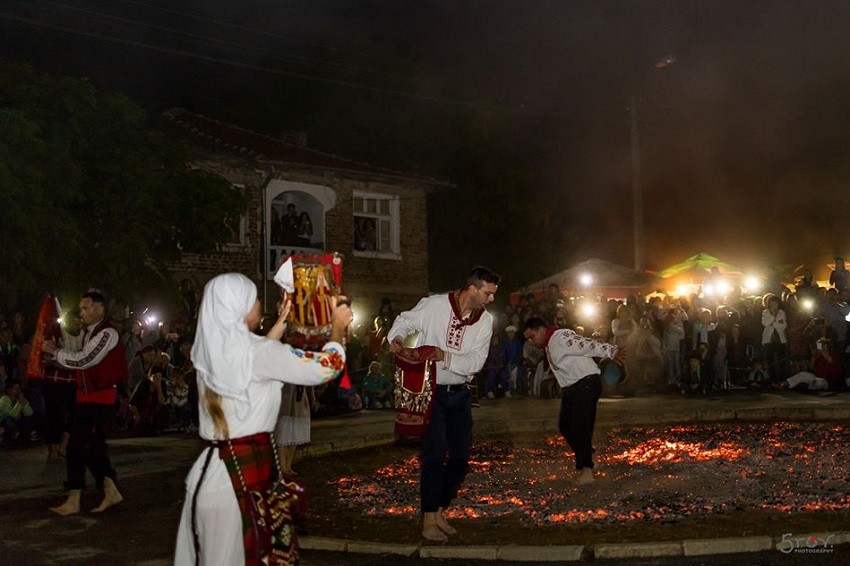
Nestinarstvo is also part of Bulgaria's cultural identity and is recognised by UNESCO as intangible cultural heritage.
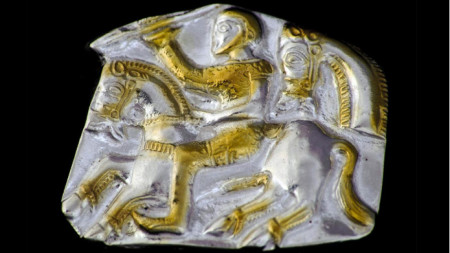
In the world of the Thracians, who had no written language, the most important messages were conveyed through art. The Letnitsa Treasure is precisely such a message — about power, beliefs, and the path to wisdom . This unique discovery, dated between..
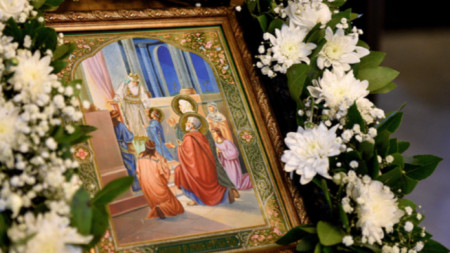
On November 21, the day of the Presentation of Virgin Mary (or the Entry of the most Holy Theotokos into the Temple), the Orthodox Bulgarians also celebrate the Day of the Christian Family and the Learning Youth. The holiday was established by the..

During a visit by the Radio Bulgaria team to the Bulgarian Orthodox Parish "Nativity of the Mother of God" in Geneva, we had the pleasure of meeting Ventseslav Sabev, the son of long-time church history professor at the Sofia Theological Seminary,..





 Cloudy
 Mostly Cloudy
 Partly Cloudy
 Fog
Fog