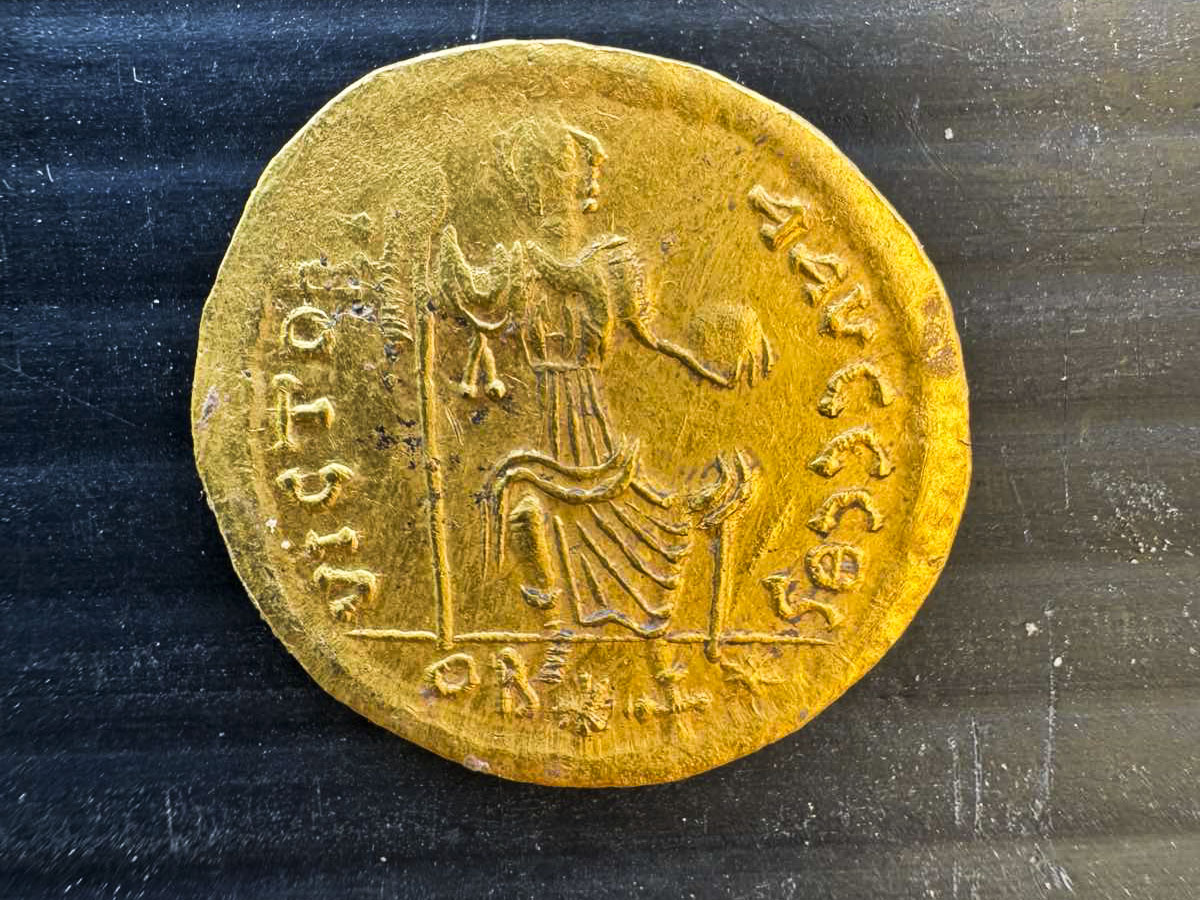
A gold coin minted during the reign of Emperor Justinian I, ruler of the Eastern Roman Empire, was discovered during excavations at the Tuida Fortress near Sliven. According to Associate Professor Dr. Nikolay Sirakov, Director of the Regional History Museum in Sliven, the discovery of a gold coin indicates that wealthy people lived in the fortress. Such coins were not used for trade but were symbols of prestige and investment, which is why they are rarely found.
This is the fourth such coin found in the fortress over the years. A total of 23 coins have been found this season, most of which are bronze and date from the 2nd–3rd century up to the 12th century. Belt fittings, a buckle, and even a book clasp have also been discovered, which, according to Associate Professor Sirakov, indicates that there was likely a scriptorium where books were written.
This year, excavations at Tuida are focused on a complex of residential buildings constructed with massive stone walls, dating from the 5th to the 12th century. The archaeological work is supported by the Ministry of Culture.
Edited by Darina GrigorovaPublished and translated by Kostadin Atanasov
Photo: BTA
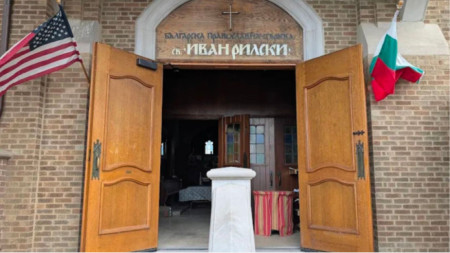
On 19 October 2025, the day on which Orthodox Bulgarians commemorate St Ivan Rilski the Miracle-Worker, the newly renovated St Ivan Rilski Church in Chicago will officially reopen its doors. Named after Bulgaria’s heavenly patron , the church will host..
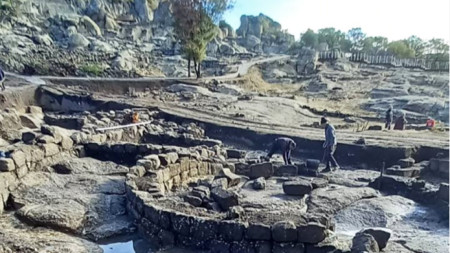
Archaeologist Nikolay Ovcharov on Thursday announced the discovery of a large circular temple at Perperikon, the early-historic rock complex in the Eastern Rhodopes, BTA reported. Dating to the 3rd–4th centuries AD , the structure is believed to..

This summer, archaeologists once again breathed life into the legends woven into the rocks of Kaliakra . Among the ruins of the once majestic fortress above the Black Sea, over 400 artefacts were discovered, shedding new light on..






 Mostly Cloudy
 Cloudy
 Cloudy
 Scattered showers