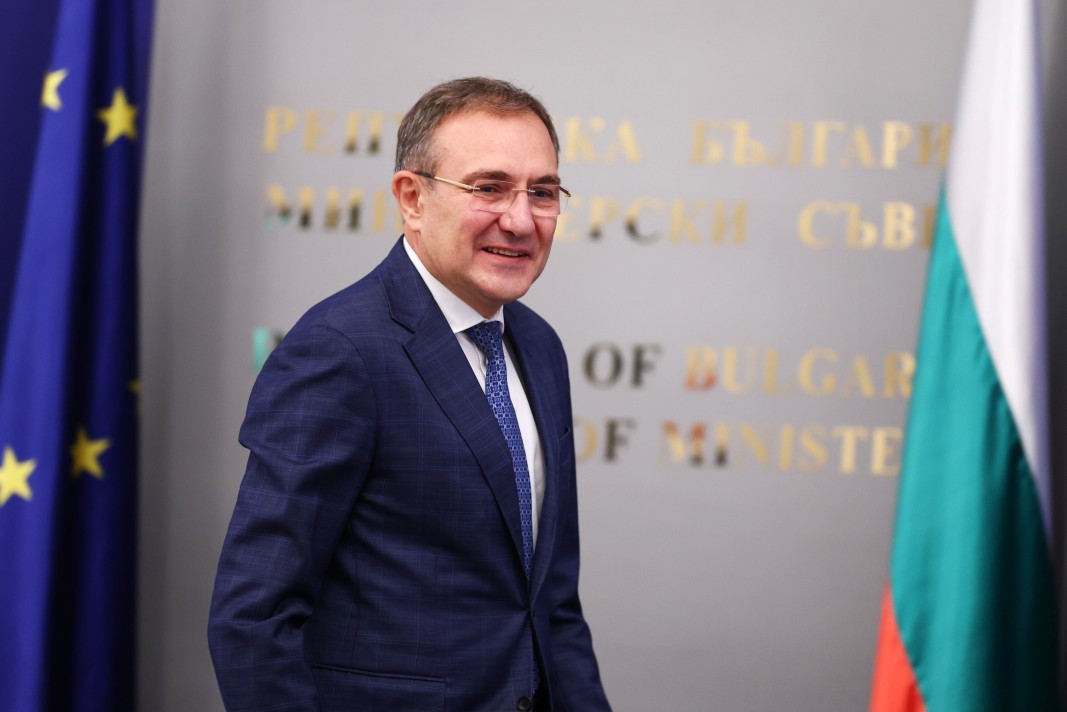
In the second quarter of the year, the average salary increased by 12% year over year, reaching €1,315.04.
Borislav Gutsanov, the Minister of Labor and Social Policy, announced this information after today's meeting of the National Council for Tripartite Cooperation (NCTC). According to Gutsanov, Sofia had the highest average salary from April to June of 2025, at €1,783.90 — 37.5% higher than the national average. The highest wage growth was reported in Blagoevgrad (20.3%), Targovishte (18.3%), and Smolyan (17.3%).
Gutsanov commented that reducing poverty requires sustainable income from work.
At today's NCTC meeting, the government, supported by the business community, proposed setting the poverty line at €390.63. However, trade unions disagree because this amount falls short of people's real needs. They insist that the poverty line be set at 400 euros.
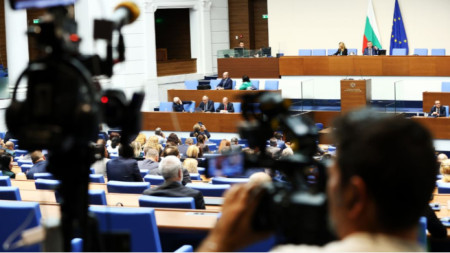
The draft state budget was adopted in first reading by the National Assembly on November 21. However, the planned changes in the financial framework for 2026 triggered an open clash between the ruling coalition, led by GERB party, and the opposition..
KBC Group expects the Bulgarian economy to grow slightly more next year in comparison to its previous forecasts, according to the conclusions of the Belgian financial group's latest assessments of the economies of Central and Eastern..
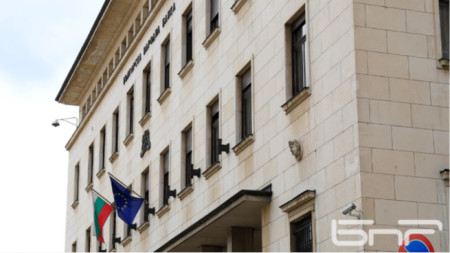
Foreign direct investment (FDI) in Bulgaria posted the largest net inflows from the Netherlands, Italy and Greece in the first half of 2025, the Bulgarian National Bank (BNB) said. Net FDI inflows totalled €554.9 million from the Netherlands, €325.2..





 Partly Cloudy