Podcast in English
Text size
Bulgarian National Radio © 2025 All Rights Reserved

After the fires and drought come the floods – what is the prevention?

Ex-environment minister Borislav Sandov: The burned down area carry a risk of new distasters

Photo: BGNES

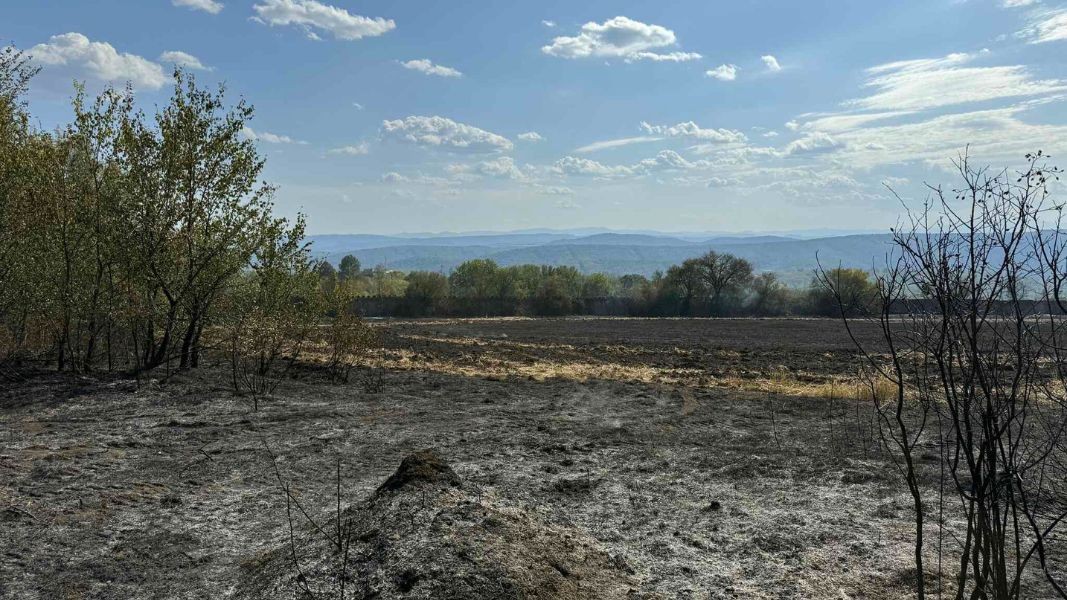
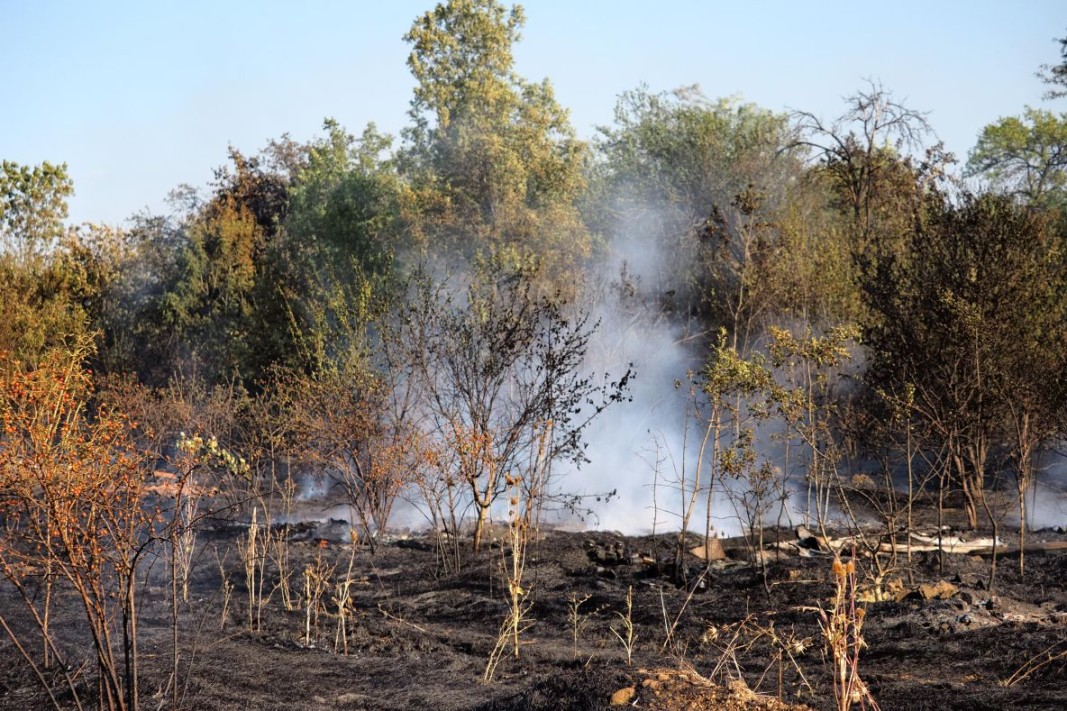
All summer, and even now, Bulgaria has been fighting numerous fires – in the fields and in forests. At the same time, over half a million people in Bulgaria are without water supply or on a strict water regime. So, caught up in the current troubles, both citizens and authorities seem to forget to look ahead, because with the approach of autumn rainfall, we are likely to face a new problem – floods. Unfortunately, these disasters are already a common occurrence in Europe, but also on the territory of Bulgaria.
Is autumn 2025 expected to be risky in terms of possible floods?

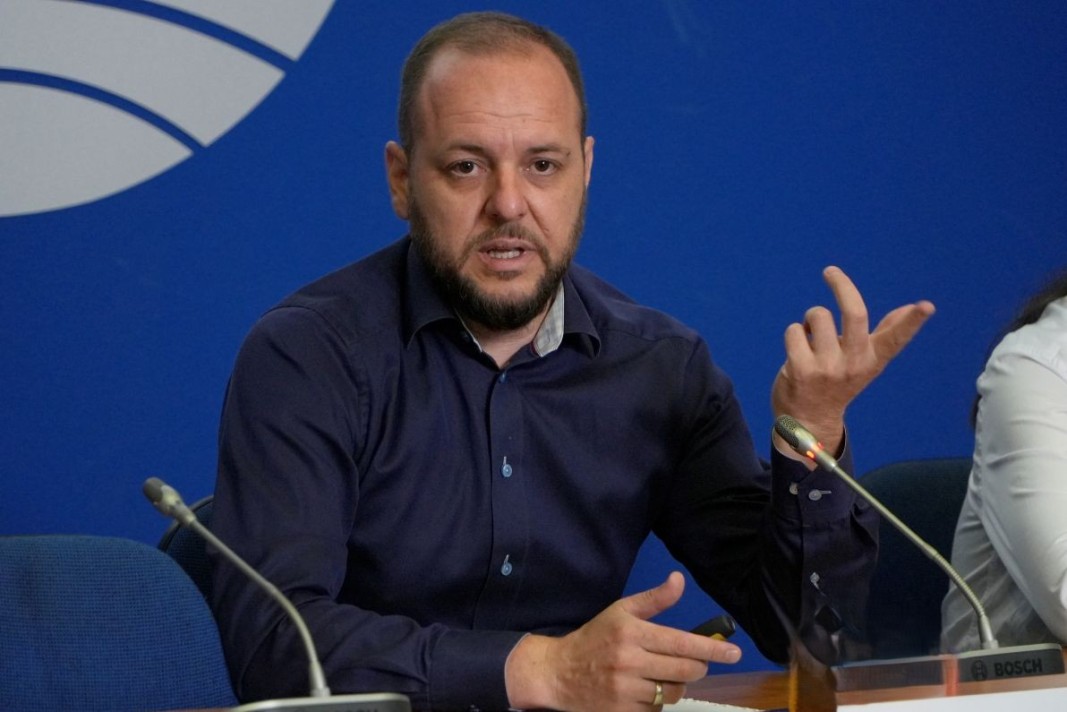
This year, floods may be delayed, because due to the trend for a dry autumn, the danger of river overflows comes in winter and spring, Borislav Sandov, former Minister of Environment and Water, commented for Radio Bulgaria.

Borislav Sandov
"Fires and drought undoubtedly remain the main factor in the extreme manifestations of climate change and this will persist until the end of September, and perhaps until the middle, even the end of October - there is such a possibility due to the increasingly pronounced dry autumn. So floods could happen, but they will be in more isolated places. The main problem with floods is increasingly occurring during the winter and spring seasons," Sandov noted, but warned - autumn also brings risks of flooding for some regions of the country, especially in places in Northern Bulgaria and the northern slopes of the Balkan Range.
One natural disaster leads to another – large fires and the subsequent deforestation of large areas are often a prerequisite for future concerns related to drought and flooding:


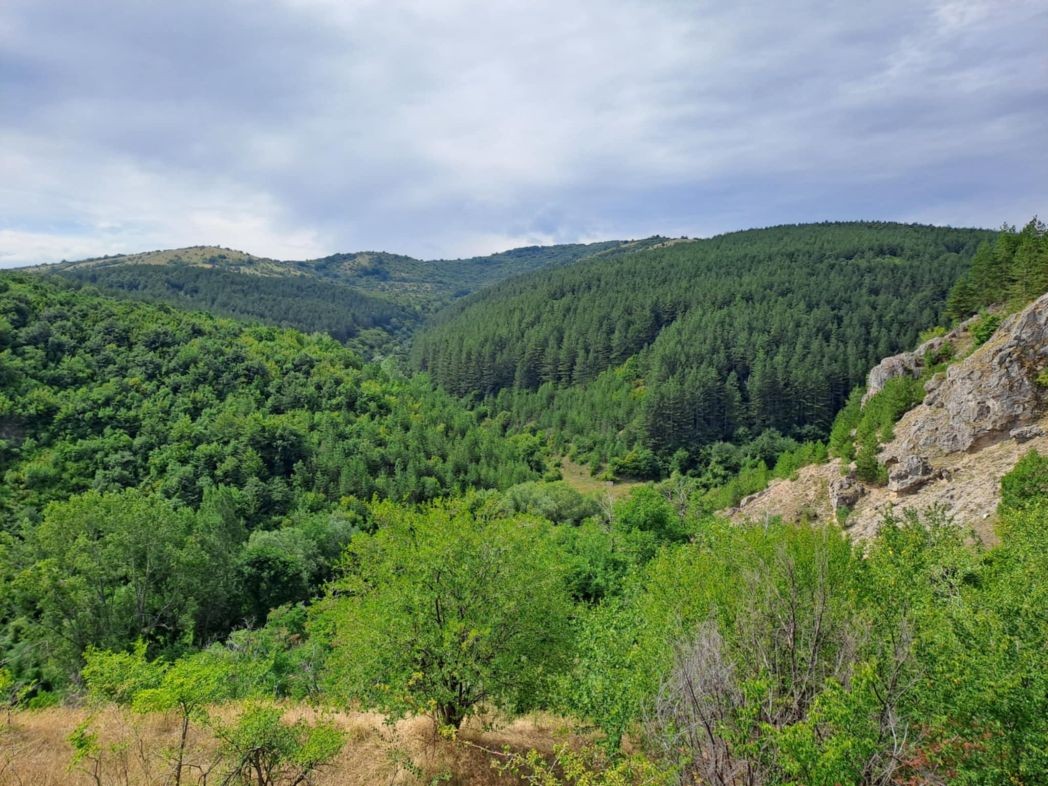
"Undoubtedly, burned down areas pose a risk for new disasters. On the one hand, this is water scarcity, because with the loss of a forest, its important properties and functions for water protection and water retention are lost. So settlements that draw from water sources near these forests are likely to suffer the consequences. The other main problem, especially when the fires are large and on terrain covered with coniferous vegetation – then there is also a very serious risk of flooding, because the forest loses its main function of being a guard for intense rainfall and the descent of water faster, directly and unhindered to lower places, where inhabited settlements are usually located."

According to the former Minister of Environment and Water Borislav Sandov who is also a long-time eco-activist, the main problem is climate change, and the state, in turn, is not doing what is necessary to reduce carbon emissions - their reduction is happening more because of the introduction of new technologies, rather than because of a targeted policy. 

"Without a doubt, transport, energy, heavy industry continue to be a major factor in the increase of carbon emissions, temperature increases and serious climate changes. For the territory of the Bulgarian state, this means more intense and more frequent extreme weather phenomena. We still lack adequate coordination and prevention measures to prevent certain negative events related to extreme weather, and to prepare citizens and institutions. Early warning is also categorically lacking, as are actions taken before certain events occur, and in many cases they can be predicted. The National Institute of Meteorology and Hydrology provides several different maps - for fires, for floods, for high temperatures, which also note moments of extreme events. This forecast is made 24 to 72 hours before a given phenomenon. This is precisely the time when the responsible institutions should convene the relevant headquarters and take certain preventive measures, but this does not happen," Borislav Sandov reminds. 


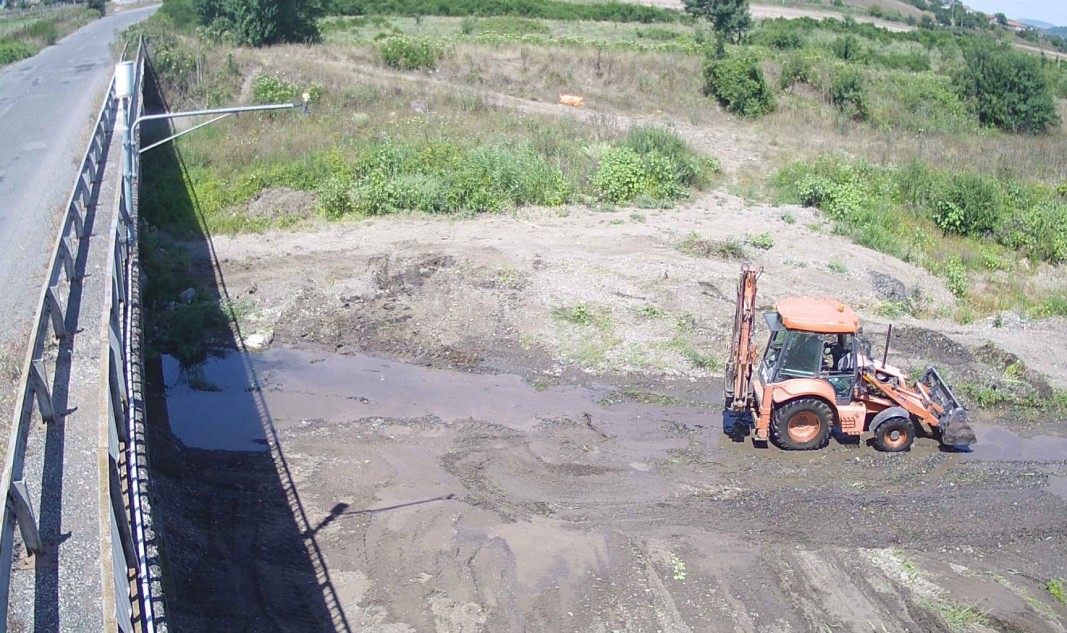
In addition, riverbed cleaning is often done not for the purpose of prevention, but in order to use the wood for other purposes, and in the end the effect is the opposite. Another main solution, Sandov emphasizes, would be the creation of artificial reservoirs near towns and villages to retain water, which would also help biodiversity and temperatures in the inhabited settlement.

Read also:


Photos:  BGNES, BTA, Burgas Municipality

English publication: Rositsa Petkova


Последвайте ни и в Google News Showcase, за да научите най-важното от деня!
Listen to the daily news from Bulgaria presented in "Bulgaria Today" podcast, available in Spotify.

More from category

Ivo Ivanov from Radio Bulgaria is among the graduates of BNR's 11th Radio Journalism Master Class

The diplomas from the 11th master class in radio journalism of the Bulgarian National Radio – BNR Academy were awarded at a solemn ceremony on November 14. The lectures and practical classes in modern forms of radio journalism build on the professional..
published on 11/15/25 10:10 AM

Balkan Developments

Italy investigates claims of hunting of people in Sarajevo in the 1990s The prosecutor's office in Milan has launched an investigation into shocking reports of organized "sniper safaris" in Bosnia during the war in..
published on 11/14/25 4:35 PM

Bulgarian doctors conduct reproductive health checkups in Albania

Albania and Bulgaria have joined forces in the name of one more child being born. In the late afternoon of November 7, the first-ever free reproductive medicine checkups, led by Bulgarian specialists, began in the Albanian town of Korçë — a region..

published on 11/14/25 11:02 AM