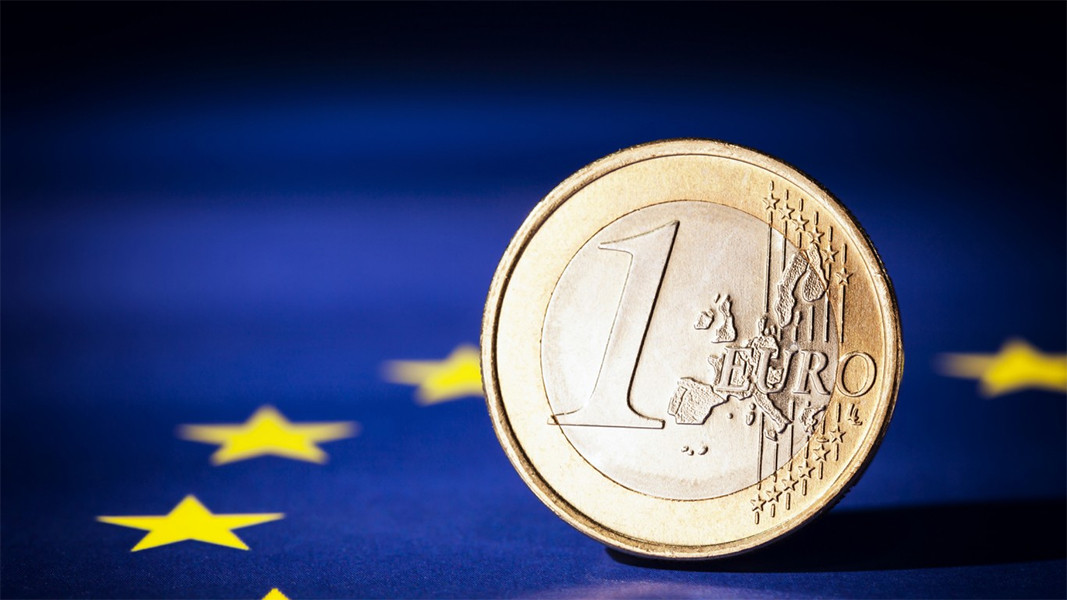
In its “Questions and Answers” section on the introduction of the euro, the Bulgarian National Bank has published a clarification on how the single currency should be denoted and written in accordance with EU regulations.
The name of the currency must be the same in all EU languages — “euro,” with only adaptation to different alphabets allowed. In Bulgarian, the currency is written as „евро“, not in other forms („еуро“ or „ойро“). The official abbreviation of the euro is “EUR,” which is uniform in all languages.
When writing monetary amounts, the following rules apply: If no specific amount is indicated, the currency is written in words — for example: “an amount in euro.” When a number is given, a non-breaking space should be used — for example: “the required amount is 12 500 EUR” or “a discrepancy of 1 550 EUR was noted.” The graphic symbol of the euro, €, is recommended for use in graphics, press releases and publications intended for the general public (for example: “30 €”).
Edited by Ivo IvanovPublished and translated by Kostadin Atanasov
Photo: Pixabay
The draft state budget was adopted in first reading by the National Assembly on November 21. However, the planned changes in the financial framework for 2026 triggered an open clash between the ruling coalition, led by GERB party, and the opposition..
KBC Group expects the Bulgarian economy to grow slightly more next year in comparison to its previous forecasts, according to the conclusions of the Belgian financial group's latest assessments of the economies of Central and Eastern..
Foreign direct investment (FDI) in Bulgaria posted the largest net inflows from the Netherlands, Italy and Greece in the first half of 2025, the Bulgarian National Bank (BNB) said. Net FDI inflows totalled €554.9 million from the Netherlands, €325.2..





 Cloudy
 Cloudy
 Mostly Cloudy