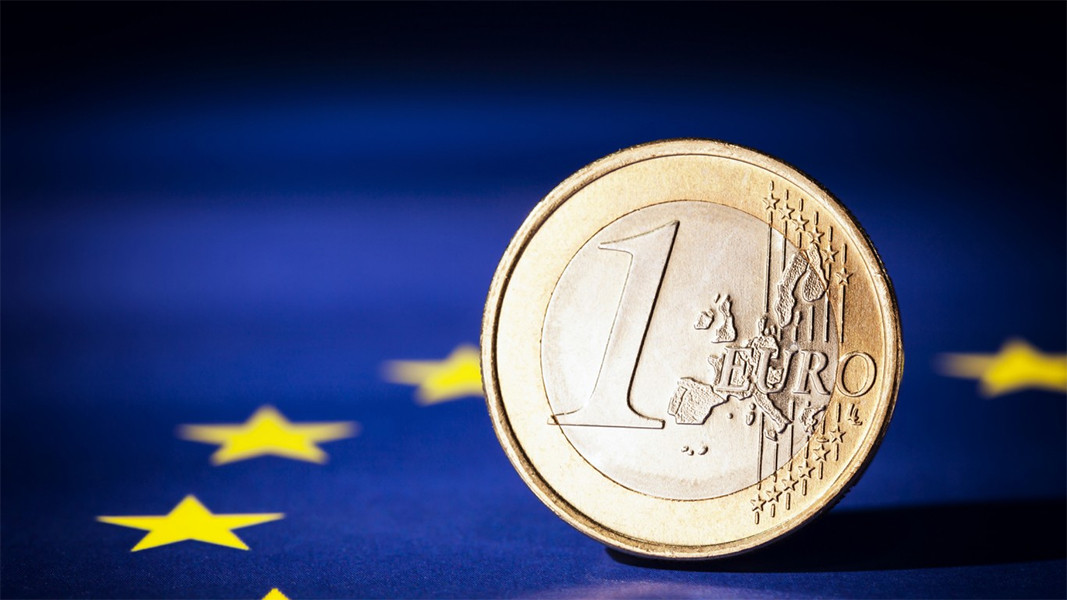
In its “Questions and Answers” section on the introduction of the euro, the Bulgarian National Bank has published a clarification on how the single currency should be denoted and written in accordance with EU regulations.
The name of the currency must be the same in all EU languages — “euro,” with only adaptation to different alphabets allowed. In Bulgarian, the currency is written as „евро“, not in other forms („еуро“ or „ойро“). The official abbreviation of the euro is “EUR,” which is uniform in all languages.
When writing monetary amounts, the following rules apply: If no specific amount is indicated, the currency is written in words — for example: “an amount in euro.” When a number is given, a non-breaking space should be used — for example: “the required amount is 12 500 EUR” or “a discrepancy of 1 550 EUR was noted.” The graphic symbol of the euro, €, is recommended for use in graphics, press releases and publications intended for the general public (for example: “30 €”).
Edited by Ivo IvanovPublished and translated by Kostadin Atanasov
Photo: Pixabay
The Bulgarian Stock Exchange (BSE) will participate in the event "EU-Chambers Business Chill with the Bulgarian Stock Exchange," according to a post by the BSE on Facebook. The event is being organised by the Hungarian-Bulgarian Chamber of..

Under the name BGBizHub, Bulgarian entrepreneurs in Berlin have joined forces to promote and develop their businesses in Germany. "Like any other business, not only in Berlin or in Bulgaria, we currently face several problems -..

Bulgarians are consuming less bread, cheese and vegetables, but more fruit, according to the latest data from the National Statistical Institute on household consumption in the third quarter of 2025, compared to the same period last year...




 Cloudy
 Cloudy
 Mostly Cloudy