
Medical institutions in Bulgaria pay nearly BGN 2.8 billion (EUR 1.43 billion) in salaries. More than 106 thousand people are employed in healthcare, which is 3.5% of the country's workforce. This makes the healthcare sector one of the top 5 employers in the country.
This is according to data from the first survey on the economic contribution of medical institutions in Bulgaria, commissioned by the Bulgarian Medical Association and carried out by IQVIA.
Medical institutions accounted for about 4.2% of Bulgaria's GDP in 2022 and their direct contribution to the economy was BGN 7 billion (EUR 3.58 billion).
The number of practising doctors and qualified doctors per capita in Bulgaria is above the EU average, with an average of 4.6 doctors per 1,000 inhabitants, but there are large differences between regions. Bulgaria's doctors are older than the EU average - 54% of doctors are aged 55 or over, compared with 36% in the EU. The country has one of the lowest numbers of nurses per capita in the EU, putting pressure on the health system. Their average age is 53, according to the study.

The National Assembly has introduced a new requirement for state-owned enterprises to implement corruption risk management systems, which will also include appointing an integrity officer. The measure is recommended by the Organisation for Economic..
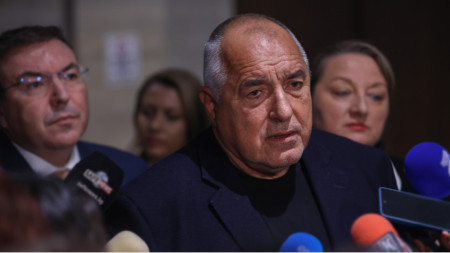
GERB leader Boyko Borissov said that he did not like budget 2026 and it would be frozen. Speaking to the media in parliament, Borissov said that the Joint Governance Council of the formations in the government, the Prime Minister..

North Macedonian Prime Minister Hristijan Mickoski accused attacked Macedonian Bulgarian journalist Vladimir Perev of staging the attack and self-harm, BGNES has reported. On November 21, in a shop in the center of Skopje, Perev..







 Overcast, rain
 Cloudy
 Mostly Cloudy