
Medical institutions in Bulgaria pay nearly BGN 2.8 billion (EUR 1.43 billion) in salaries. More than 106 thousand people are employed in healthcare, which is 3.5% of the country's workforce. This makes the healthcare sector one of the top 5 employers in the country.
This is according to data from the first survey on the economic contribution of medical institutions in Bulgaria, commissioned by the Bulgarian Medical Association and carried out by IQVIA.
Medical institutions accounted for about 4.2% of Bulgaria's GDP in 2022 and their direct contribution to the economy was BGN 7 billion (EUR 3.58 billion).
The number of practising doctors and qualified doctors per capita in Bulgaria is above the EU average, with an average of 4.6 doctors per 1,000 inhabitants, but there are large differences between regions. Bulgaria's doctors are older than the EU average - 54% of doctors are aged 55 or over, compared with 36% in the EU. The country has one of the lowest numbers of nurses per capita in the EU, putting pressure on the health system. Their average age is 53, according to the study.
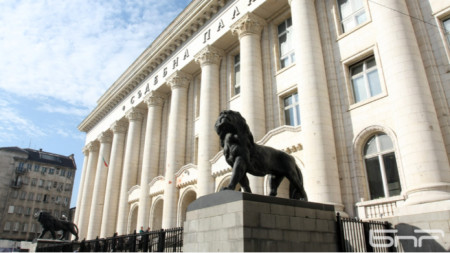
Judges have opposed the introduction of a new antivirus agent on their computers. The magistrates fear that it could violate personal data protection rules and compromise the independence of the judiciary. In an official letter, the Bulgarian..
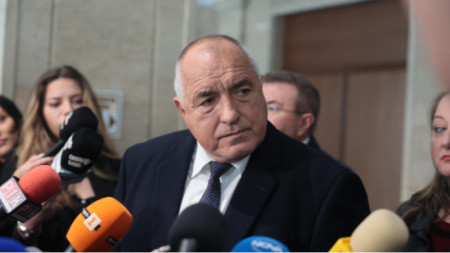
GERB leader Boyko Borisov said in Parliament that Bulgaria will become a member of the eurozone on January 1, regardless of protests organized by representatives of We Continue the Change Democratic Bulgaria (PP-DB). He was commenting on opposition..
Six countries, including Bulgaria, are at risk of non compliance with the EU fiscal framework in 2026. This is highlighted in the 2026 European Semester Autumn Package, adopted by the European Commission. Another 12 countries are urged to continue..





 Значителна облачност със сняг
 Cloudy
 Rain / Snow
 Snow
Snow