
Medical institutions in Bulgaria pay nearly BGN 2.8 billion (EUR 1.43 billion) in salaries. More than 106 thousand people are employed in healthcare, which is 3.5% of the country's workforce. This makes the healthcare sector one of the top 5 employers in the country.
This is according to data from the first survey on the economic contribution of medical institutions in Bulgaria, commissioned by the Bulgarian Medical Association and carried out by IQVIA.
Medical institutions accounted for about 4.2% of Bulgaria's GDP in 2022 and their direct contribution to the economy was BGN 7 billion (EUR 3.58 billion).
The number of practising doctors and qualified doctors per capita in Bulgaria is above the EU average, with an average of 4.6 doctors per 1,000 inhabitants, but there are large differences between regions. Bulgaria's doctors are older than the EU average - 54% of doctors are aged 55 or over, compared with 36% in the EU. The country has one of the lowest numbers of nurses per capita in the EU, putting pressure on the health system. Their average age is 53, according to the study.
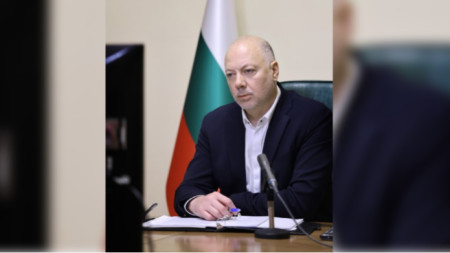
“Borders cannot be changed by force, and Ukraine’s long-term security must be guaranteed”, Bulgaria’s Premier Rossen Zhelyazkov said during a videoconference meeting of the “Coalition of the Willing”, led by French President Emmanuel Macron and UK..

Business forum on the topic "Bulgaria - China: cooperation in the automotive sector" is being held on November 26 in Sofia. Its organizers are the Bulgarian Chamber of Commerce and Industry and the Embassy of the People's Republic of..

The Bulgarian Industrial Capital Association has called for participation in a protest on November 26 against the budget for 2026, which is about to be adopted at second reading. "We call not only our members, but also all..







 Partly Cloudy
 Clear
Clear