
Medical institutions in Bulgaria pay nearly BGN 2.8 billion (EUR 1.43 billion) in salaries. More than 106 thousand people are employed in healthcare, which is 3.5% of the country's workforce. This makes the healthcare sector one of the top 5 employers in the country.
This is according to data from the first survey on the economic contribution of medical institutions in Bulgaria, commissioned by the Bulgarian Medical Association and carried out by IQVIA.
Medical institutions accounted for about 4.2% of Bulgaria's GDP in 2022 and their direct contribution to the economy was BGN 7 billion (EUR 3.58 billion).
The number of practising doctors and qualified doctors per capita in Bulgaria is above the EU average, with an average of 4.6 doctors per 1,000 inhabitants, but there are large differences between regions. Bulgaria's doctors are older than the EU average - 54% of doctors are aged 55 or over, compared with 36% in the EU. The country has one of the lowest numbers of nurses per capita in the EU, putting pressure on the health system. Their average age is 53, according to the study.
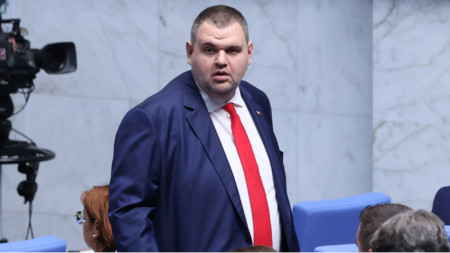
“I call on all representatives of the Movement for Rights and Freedoms in local government — mayors and municipal councilors — to ensure security and predictability for the people and to take the necessary steps to keep all local taxes and fees..
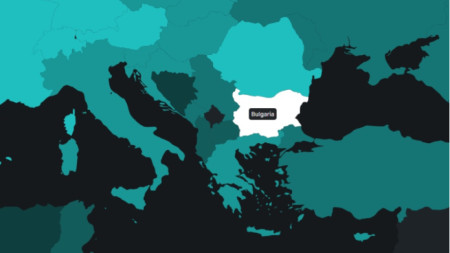
Bulgaria has climbed to 11th place in this year’s Digital Quality of Life 2025 (DQL) index published by Surfshark, up from 18th last year, BTA reported. The index evaluates countries’ digital well-being across five dimensions: fixed broadband..
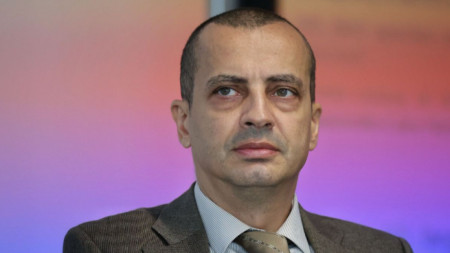
Around 90% of the antiques seized during an international operation targeting a cultural property trafficking network will be returned to Bulgaria, Deputy Minister of Culture Todor Chobanov told “Nova TV”. “This is an unprecedented operation in..





 Значителна облачност със сняг
 Rain / Snow
 Snow
Snow Mostly Cloudy
 Wet snow