
Medical institutions in Bulgaria pay nearly BGN 2.8 billion (EUR 1.43 billion) in salaries. More than 106 thousand people are employed in healthcare, which is 3.5% of the country's workforce. This makes the healthcare sector one of the top 5 employers in the country.
This is according to data from the first survey on the economic contribution of medical institutions in Bulgaria, commissioned by the Bulgarian Medical Association and carried out by IQVIA.
Medical institutions accounted for about 4.2% of Bulgaria's GDP in 2022 and their direct contribution to the economy was BGN 7 billion (EUR 3.58 billion).
The number of practising doctors and qualified doctors per capita in Bulgaria is above the EU average, with an average of 4.6 doctors per 1,000 inhabitants, but there are large differences between regions. Bulgaria's doctors are older than the EU average - 54% of doctors are aged 55 or over, compared with 36% in the EU. The country has one of the lowest numbers of nurses per capita in the EU, putting pressure on the health system. Their average age is 53, according to the study.

Two billion euros in additional state guarantees and a concession of the Bulgarian Sports Totalizator are part of changes to the draft budget for 2026, submitted between the first and second readings. The change that increases the..

The increase in the minimum wage is supported by 54.1% of Bulgarians. 1/3 of respondents believe that the minimum wage should be equal to the living wage. This is indicated by the results of a representative survey by the Myara..
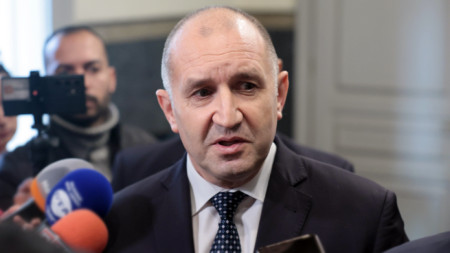
“We see a rational plan for a quick peace from President Donald Trump, according to which the situation on the battlefield is developing extremely unfavorably for Ukraine, and he is trying to prevent a worse scenario and additional casualties,”..





 Mostly Cloudy
 Rain
Rain Cloudy
 Значителна облачност със сняг
 Scattered showers
 Snow
Snow Rain / Snow
 Wet snow